Top Plastic Dip Coating Manufacturers for Global Buyers
For global buyers, choosing a plastic dip coating manufacturer involves more than comparing prices and production capacity. The right partner should understand the part, its working environment, and the finish required. A coated handle used outdoors may face different demands from a component kept inside a factory. Small details matter.
Plastic dip coating commonly applies a protective or functional polymer layer to a prepared part. Coating thickness, surface preparation, material choice, and curing conditions can all affect the result. Buyers should ask manufacturers how they control these variables and how they inspect finished parts. Clear answers are more useful than broad promises.
This guide looks at manufacturers through practical purchasing criteria, including process capabilities, product experience, quality documentation, communication, and shipping support. It also highlights questions worth asking before requesting a quote, such as whether the supplier can produce samples or accommodate design changes. Not every manufacturer is right for every brief. That distinction can be easy to miss when a catalogue looks polished.
Samples help, but they do not guarantee that a full production run will match. Discuss acceptance criteria before placing an order, and confirm what records the supplier can provide. Price alone rarely tells the whole story. Some claims need closer scrutiny, especially when specifications are vague. Buyers should verify details directly with each manufacturer. The comparisons that follow are a starting point, not a substitute for technical review.
What Plastic Dip Coating Is and How the Process Works
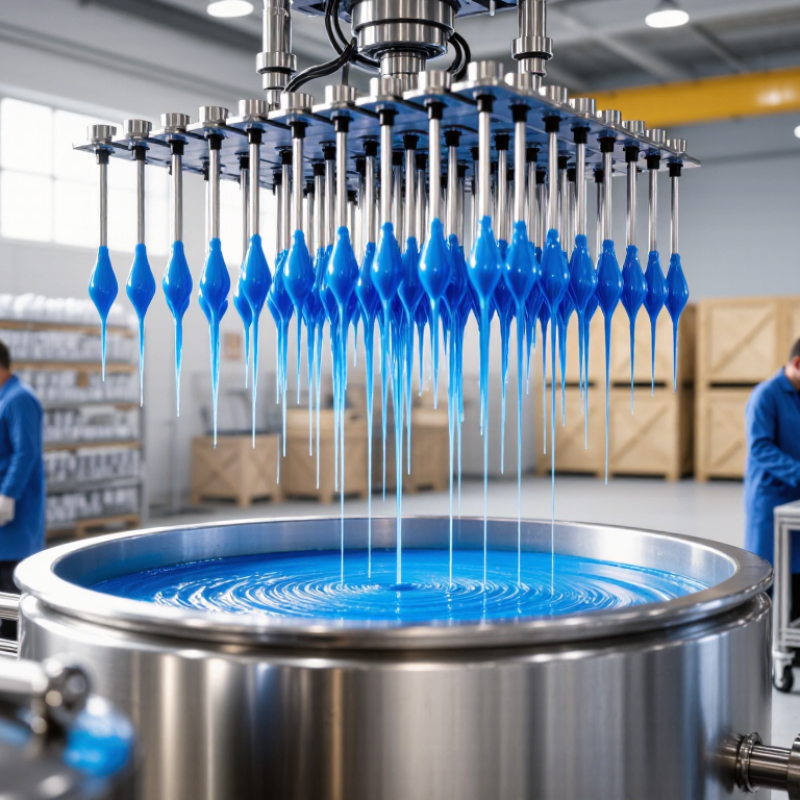
Plastic dip coating forms a protective polymer layer around a part by immersing it in a liquid coating. It is often used on metal handles, hooks, wire racks, and tool components. The coating can soften sharp edges, improve grip, and help limit corrosion. The exact result depends on the polymer and the part’s intended use.
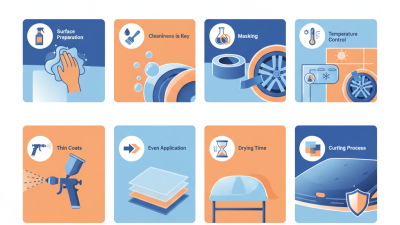
Preparation matters. A typical line cleans the metal, applies any required surface treatment, and heats the part. The operator then dips it into a coating bath, withdraws it at a controlled speed, and allows excess material to drain. Heat may be used again to cure the coating. Small details matter. Bath viscosity, part temperature, and immersion time can all affect coverage and thickness. A deep recess may trap air, while a sharp corner may receive a thinner layer. Not every line behaves alike.
Experienced manufacturers check coating thickness, adhesion, and visible defects, often using sample parts before production. Buyers should share drawings, target thickness, operating conditions, and any grip or color requirements. A sample run can reveal issues that specifications miss. It is not foolproof, but it is useful. Material choice also matters: coatings vary in flexibility, abrasion resistance, and performance in heat or outdoor exposure. Ask how the supplier controls these variables, and request test results relevant to the part’s actual use.
Key Applications Across Industries and Markets
Plastic dip coating protects parts that face abrasion, moisture, or frequent handling. In automotive supply chains, it can cover brackets, springs, clamps, and tool handles. OICA recorded 93,546,599 motor vehicles produced worldwide in 2023, indicating the scale of this manufacturing base. That scale matters. Coatings can also improve grip on handrails and protect wire baskets used in warehouses, food handling, and retail displays. Electrical fittings and agricultural equipment offer further applications, especially where metal parts meet damp or gritty conditions.
Plastics Europe reported global plastics production of 400.3 million tonnes in 2022. This figure covers many materials and uses; it is not a measure of dip-coating demand. Buyers should match coating thickness and polymer type to heat, chemicals, outdoor exposure, and cleaning routines. For medical equipment, material suitability and documented testing matter more than a smooth finish alone. Fit varies. A small production trial can reveal thin spots around corners, excess buildup at edges, or grip that changes in cold weather. Those details are easy to miss on a sample panel.
Top Plastic Dip Coating Manufacturers for Global Buyers — Key Applications Across Industries and Markets
Typical continuous-use temperature limits of selected dip-coating polymers
Temperature limits are approximate and vary by formulation, coating thickness, and operating conditions; they are not market-share figures. PVC is commonly used for tool handles and wire protection, polyethylene for corrosion protection and fixtures, nylon for durable industrial components, and silicone for applications requiring higher temperature resistance, including selected electrical and medical components.
How to Evaluate Plastic Dip Coating Manufacturers
Evaluating plastic dip coating manufacturers starts with the part, not the sales pitch.
Share the substrate, dimensions, expected use, and areas that need coating. A capable supplier should explain how material choice and dipping conditions affect coverage, flexibility, and finish. Ask how they control coating thickness and handle sharp edges, recesses, or trapped air. Details matter.
Review physical samples under consistent light. Look for thin spots, pinholes, uneven color, and rough edges. Ask for test methods and recent inspection records, not just a quality claim. Useful checks may include adhesion, thickness, and performance after exposure to the intended environment. Request a trial using your actual part when practical. A polished sample alone can be misleading.
Production capacity matters, but so does consistency between trial and full runs. Ask how batches are identified, how process changes are recorded, and what happens when a part fails inspection. Compare lead times, minimum quantities, packaging, and shipping plans against your needs. Clear answers should be specific and documented. Even a careful review leaves some uncertainty; production can vary after a successful trial. That is worth discussing before placing an order.
Profiles of Leading Manufacturers for Global Buyers
Global buyers should compare plastic dip coating manufacturers by process control, material expertise, and export readiness—not catalog size alone. Plastics Europe’s Plastics—The Fast Facts 2024 report estimates global plastics production at 413.8 million tonnes in 2023. This scale makes consistent coating quality and documented material compatibility important across varied parts and applications. The figure describes plastics production, not dip-coating demand, so it should be treated as market context rather than a forecast.
A precision-focused manufacturer typically offers controlled bath temperatures, repeatable withdrawal speeds, and inspection records. Ask how it checks coating thickness on corners and recessed areas; these spots can reveal uneven coverage. A full-service supplier may also support prototype runs, color matching, and packaging for shipment.
Regional specialists can be valuable when buyers need short lead times or close engineering communication. Still, a clean sample does not prove stable production. Request batch records and inspect parts from a normal production run.
Tips: Send drawings, substrate details, target thickness, and expected volumes before requesting quotes. Confirm test methods, sampling plans, export packaging, and lead times in writing. A supplier that explains its limits clearly may be more reliable than one promising every finish.
Comparing Capabilities, Certifications, Costs, and Delivery Times
For global buyers, compare dip-coating manufacturers by the work they can prove, not by broad claims.
Ask for coating material, thickness range, maximum part dimensions, and sample results. A supplier handling small wire clips may not have a tank or curing line for long assemblies. Check adhesion, coverage around edges, and how defects are recorded. Fit matters.
Certifications help, but their scope matters more than the logo on a certificate. The ISO Survey 2022 counted about 1.26 million ISO 9001 certificates worldwide; certification indicates a quality-management system, not that every coated part meets your specification. Request the current certificate, audit scope, inspection plan, and recent test records. The World Bank’s 2023 Logistics Performance Index compares 139 economies across measures including customs, infrastructure, and shipment timeliness. Use it as context, then confirm the factory’s actual dispatch history. Ask for lead times in writing, including sample approval, production, and transit.
Compare landed cost, not just the unit price. Include tooling, minimum order quantities, inspection, packaging, freight, and the cost of rejected parts. A low quote can hide extra handling or a long setup queue. One caveat: forecasts are not guarantees. Ask how the supplier handles late materials, rework, and urgent repeat orders, and request a recent delivery record. A simple trial order may reveal more than a polished presentation. I would still leave room for uncertainty; even capable factories have busy seasons.