Choosing among the 10 Best Plastic Dip Coating Suppliers Worldwide requires more than comparing glossy samples or attractive price lists. A dependable supplier should demonstrate practical experience with steel, aluminum, wire, tools, handles, and irregular components. Their process should control cleaning, preheating, powder or liquid application, curing, thickness, and final inspection. Small differences matter. A thin edge can expose metal. Excess coating can hide threads, reduce flexibility, or weaken assembly fit.
Polymer coatings authority George Wypych has emphasized a useful principle: “Performance begins with surface preparation.” This idea remains central to plastic dip coating. Even advanced polymers cannot compensate for oil, rust, moisture, or poor surface energy. Strong suppliers explain these risks clearly and provide measurable quality data. Look for adhesion testing, thickness records, temperature guidance, batch traceability, and realistic production lead times. Customer support matters too, especially when prototypes become repeat orders.
This list considers technical capability, material selection, application consistency, customization, and global service. It also recognizes that supplier rankings are never perfect. A factory with excellent high-volume output may not suit delicate medical components. Another may offer excellent color matching but limited outdoor durability. Buyers should question broad claims and request samples under real operating conditions. Touch the coating. Bend it. Test its edges. Review failures, not only polished success stories. The best supplier is not always the largest. It is the partner that understands the substrate, the environment, and the consequences of getting one detail wrong.
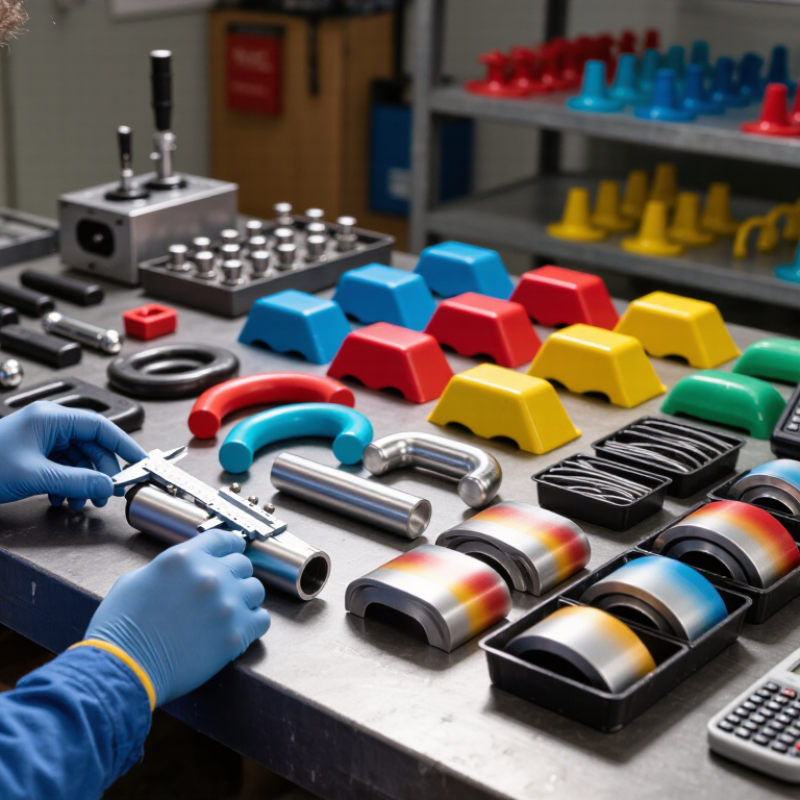
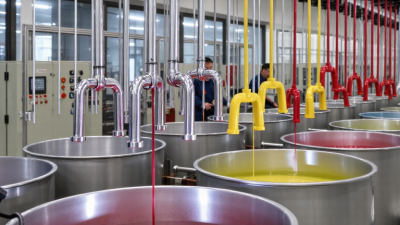
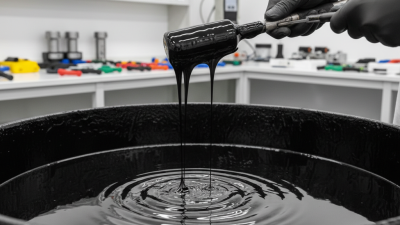
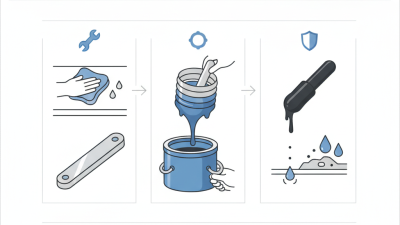
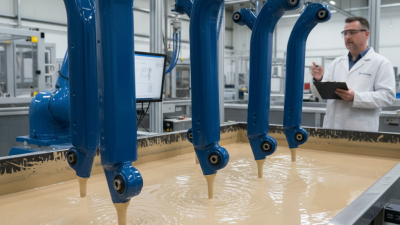
Plastic dip coating is a process that covers a part with a flexible polymer layer. The component enters liquid plastisol or a polymer powder bed. Heat then melts or cures the coating. The result can feel rubbery, smooth, or textured. It also adds electrical insulation and protection against moisture, abrasion, and light corrosion. Common uses include tool handles, wire baskets, hooks, tubing supports, and metal fixtures.
The market is growing, but dip coating is only one part of the wider plastics sector. Grand View Research valued the global plastic coatings market at about USD 15.4 billion in 2023. It also forecasts continued growth through 2030, driven by construction, automotive, and industrial equipment demand. Supplier selection requires more than checking coating thickness. Buyers should review adhesion testing, curing records, color consistency, and production repeatability. A coating may look perfect but fail after bending. That is an easy detail to miss.
Tips: Ask for test panels made from your actual substrate. Confirm the polymer type, curing temperature, and expected service environment. Check whether the supplier measures thickness on edges and recessed areas. Small gaps can expose metal quickly. In my view, salt-spray data is useful, but it should not replace real handling tests. Factory conditions rarely match the laboratory perfectly. Reports from ASTM-based testing can guide decisions, yet field feedback often reveals the uncomfortable truth: one coating specification may not suit every application.
| Rank | Supplier Profile | Primary Service Region | Typical Dip-Coating Materials | Core Processing Capabilities | Typical Coating Thickness | Common End-Use Industries | Key Selection Strength | Relevant Quality or Compliance Frameworks |
|---|---|---|---|---|---|---|---|---|
| 1 | Profile 01 – High-Volume Industrial Coater | North America and Mexico | PVC Plastisol Polyurethane | Automated dipping, preheating, curing ovens, masking, trimming and batch traceability | Approximately 0.5–3.0 mm, depending on formulation and part geometry | Material handling, tools, wire forms, automotive components and industrial hardware | Consistent production for repeat orders and complex metal assemblies | ISO 9001 commonly requested; automotive programs may require IATF 16949 compliance |
| 2 | Profile 02 – European Precision Coater | Western and Central Europe | PVC Nylon Polyolefin | Controlled dip coating, electrostatic surface preparation, precision masking and dimensional inspection | Approximately 0.2–2.5 mm for controlled industrial applications | Electrical equipment, laboratory devices, machinery, fittings and engineered components | Strong process control and suitability for tight dimensional requirements | ISO 9001; REACH and RoHS declarations may be available for applicable products |
| 3 | Profile 03 – Asia-Pacific Cost-Competitive Supplier | East and Southeast Asia | PVC PE EVA | Batch dipping, conveyorized curing, color matching, packaging and export production | Approximately 0.5–4.0 mm for protective and decorative coatings | Consumer products, hand tools, wire goods, storage equipment and general hardware | Competitive pricing and flexible production volumes | ISO 9001 is commonly available; testing should be confirmed against the buyer’s specification |
| 4 | Profile 04 – Medical and Laboratory Component Coater | North America and Europe | Medical-grade PVC Polyurethane Silicone-based materials | Validated cleaning, controlled-environment processing, lot traceability and inspection documentation | Application-specific; commonly controlled within approximately 0.3–2.0 mm | Medical devices, laboratory equipment, rehabilitation products and healthcare accessories | Documentation, traceability and controlled manufacturing processes | ISO 13485 may apply; biocompatibility, sterilization and extractables testing depend on the final use |
| 5 | Profile 05 – Automotive and Transportation Coater | Europe, North America and Asia-Pacific | PVC Nylon Polyurethane | Automated dipping, adhesion testing, salt-spray testing, abrasion testing and production-part approval support | Approximately 0.5–3.0 mm, based on corrosion, grip and insulation requirements | Automotive parts, transport interiors, cable protection and vehicle hardware | Performance testing for vibration, abrasion, corrosion and environmental exposure | IATF 16949 may be required by automotive customers; PPAP support may be available |
| 6 | Profile 06 – Wire, Cable and Electrical Insulation Specialist | Global export markets | PVC Polyolefin Nylon | Continuous or batch coating, dielectric testing, conductor masking and controlled curing | Approximately 0.3–2.0 mm, depending on voltage, flexibility and insulation requirements | Electrical connectors, busbars, cable assemblies, wire forms and power equipment | Electrical insulation, flexibility and protection from moisture or abrasion | IEC, UL or customer-specific electrical testing may apply; requirements vary by product |
| 7 | Profile 07 – Corrosion-Protection Coater | Middle East, Europe and South Asia | PVC Polyethylene Polyurethane | Surface preparation, primer application where required, dip coating, holiday detection and adhesion testing | Approximately 1.0–5.0 mm for heavy-duty protective applications | Metal racks, outdoor hardware, agricultural equipment, marine accessories and industrial frames | Protection against moisture, chemicals, impact and outdoor handling damage | ISO 9001 is common; salt-spray and chemical-resistance testing should be specified by contract |
| 8 | Profile 08 – Small-Batch and Custom-Color Coater | North America, Europe and Australia | PVC Plastisol Polyurethane | Prototype dipping, custom colors, selective masking, sample approval and short production runs | Approximately 0.5–3.0 mm, adjusted to the required grip and appearance | Product development, sporting goods, display fixtures, tools and specialty hardware | Low-volume flexibility and rapid adaptation to unusual part shapes | Quality documentation is usually project-based; color, adhesion and thickness criteria should be agreed in advance |
| 9 | Profile 09 – Large-Part and Fabrication Coater | North America, Europe and selected Asian markets | PVC Polyethylene Rubber-modified coatings | Large-tank dipping, fixture engineering, pre-bake treatment, post-curing and dimensional inspection | Approximately 1.0–6.0 mm, depending on the coating system and component size | Industrial frames, baskets, guards, racks, structural wirework and fabricated assemblies | Ability to process oversized or irregularly shaped components | ISO 9001 may be available; lifting, handling and coating inspection requirements should be confirmed |
| 10 | Profile 10 – Environmentally Focused Coater | Europe, North America and developed Asia-Pacific markets | Water-based PVC Low-VOC polyurethane Recyclable polyolefin | Low-emission processing, solvent-management controls, waste reduction and documented material sourcing | Approximately 0.3–3.0 mm, depending on the low-emission coating formulation | Consumer goods, electrical parts, sustainable packaging hardware and general industrial products | Lower VOC potential and alignment with environmental procurement requirements | ISO 14001 may be available; VOC, REACH, RoHS and recycled-content claims require product-specific verification |