Best Plastisol Dip Coating Suppliers in 2026?

Choosing the best plastisol dip coating suppliers in 2026 takes more than comparing prices. Buyers need reliable coating thickness, consistent color, strong adhesion, and clear technical support. A supplier’s sample may look smooth and glossy. The real test comes after repeated handling, heat exposure, or outdoor use. Ask for documented test results and details about formulation control, production capacity, lead times, and quality checks. Details matter.

Industry figures offer useful context, but they do not measure demand for plastisol coatings specifically. PlasticsEurope’s Plastics – the Fast Facts 2024 reports global plastics production of 413.8 million tonnes in 2023. The OECD’s Global Plastics Outlook estimates that 353 million tonnes of plastic waste were generated in 2019, with 9% ultimately recycled. These broad figures make material efficiency and scrap tracking relevant questions for procurement teams. They are not a substitute for supplier-level evidence. A careful comparison should examine coating performance on the intended part, not rely on general market growth claims. Request representative samples, review technical data sheets, and confirm which tests match the application. Not every supplier fits. This guide compares candidates by product expertise, quality documentation, customization, service, and practical purchasing considerations. No ranking can remove every uncertainty; even a promising sample may not reflect a full production run. Teams should verify results with their own components before committing.

Best Plastisol Dip Coating Suppliers in 2026?

What Is Plastisol Dip Coating and Where Is It Used?

What Is Plastisol Dip Coating and Where Is It Used?

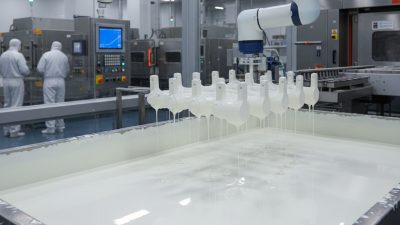
Plastisol dip coating applies a liquid PVC compound to a part, then heats it until it forms a flexible skin. A steel hook emerges with a smooth, grippy surface; a wire rack gains insulation and extra protection from moisture. Coating thickness depends on bath temperature, dip time, and part shape. Small recesses can be tricky. The finish is useful, but it should not be treated as a cure-all for corrosion or wear.

Common applications include tool handles, wire baskets, appliance racks, hooks, and protective guards. Grand View Research’s 2024 Polyvinyl Chloride Market report estimated the global PVC market at about US$70.3 billion in 2023. That figure covers PVC uses broadly, not dip coating alone. Still, it shows the scale of the material behind this process. The coating’s performance depends on the formulation and curing conditions, so a sample test on the actual part is sensible.

Tips: Ask for coating-thickness and adhesion checks on parts with sharp edges or tight corners. Test the finished item under its real handling conditions. A neat-looking coating can still fail where it is thinnest.

How to Evaluate Plastisol Dip Coating Suppliers in 2026

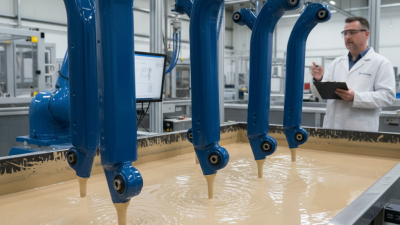
Evaluating plastisol dip-coating suppliers in 2026 means examining process control, not just comparing unit prices. Ask how each supplier controls resin batches, plasticizer additions, substrate preparation, and oven curing. PlasticsEurope’s Plastics – the Fast Facts 2024 reports 413.8 million tonnes of global plastics production in 2023. That scale makes material traceability worth checking, though it does not prove coating quality. Request batch records and clear notice of formulation changes.

Review line controls such as preheat temperature, dip time, withdrawal speed, and cure profile. Ask for thickness measurements at edges, recesses, and wire intersections, where thin spots can hide. Ask for evidence. Check whether proposed adhesion or abrasion tests fit your part and coating. ASTM D3359 and D4060 may inform testing, but neither should be applied blindly to soft, thick plastisol.

Samples matter. Have the supplier coat parts made from your actual substrate, then inspect coverage, adhesion, flexibility, and finish after use-relevant exposure. Ask how defects are logged and corrected, and whether trial results can be tied to specific process settings. A salt-spray result alone can mislead; it may not reflect your real service conditions. I would still verify the supplier’s claims with a small production trial. One awkward detail often gets missed: coating consistency across complex shapes can vary even when flat test coupons look perfect.

Which Suppliers Offer Plastisol Dip Coating Services?

Plastisol dip coating is usually offered by industrial coating job shops, dip-molding contractors, and manufacturers with in-house coating lines. These suppliers serve parts such as tool handles, wire forms, and metal hooks. When contacting a supplier, ask whether it handles your substrate, part dimensions, production volume, and required coating thickness. A capable provider should explain surface preparation, heating and curing controls, and how it checks coating coverage. Small holes and sharp edges can expose bare metal. Details matter.

Market context helps explain why suppliers vary. Grand View Research’s PVC market report estimated the global market at USD 76.4 billion in 2023 and projected a 3.9% compound annual growth rate from 2024 to 2030. Plastisol is a PVC-based dispersion, but this broad market figure does not measure dip-coating capacity. Compare suppliers using process-specific evidence instead: sample parts, thickness measurements, adhesion checks, and documented inspection methods. A polished sample is useful, but it may not represent a full production run.

Tips: Send a drawing, material description, annual quantity, and photos of critical surfaces. Request a trial batch and clarify how defects are recorded. Ask about color matching and repair options, too. One detail is easy to miss: your test part should resemble the actual component. Supplier claims are helpful, yet firsthand trials may reveal uneven coverage or fit issues.

Best Plastisol Dip Coating Suppliers in 2026? - Which Suppliers Offer Plastisol Dip Coating Services?

Supplier Type Typical Plastisol Dip Services Best Suited For Useful Capabilities to Check Questions to Ask Before Requesting a Quote
Custom dip coating service provider Applies plastisol to customer-supplied metal or other compatible parts; may provide masking, curing, inspection, and packaging. Parts that need a protective, insulating, or soft-touch coating without building an in-house coating line. Experience with the part’s geometry, substrate preparation, coating thickness control, cure verification, and repeatable production. Can the supplier coat the entire part as designed, and what masking, hanging, or tooling is required?
Metal component manufacturer with in-house coating May combine metal fabrication or forming with plastisol dipping, reducing separate handling between part production and coating. Programs where coated metal parts are ordered regularly and coordination between manufacturing steps matters. Control of part cleanliness, edge condition, coating coverage, production scheduling, and lot traceability. Is dip coating performed in-house, and can the supplier document coating and inspection requirements?
Plastisol compounder with coating capability May offer formulation support or compound selection alongside coating trials or production services. Projects with particular color, flexibility, hardness, or performance requirements that need material evaluation. Material technical data, color matching options, sample evaluation, and clarity about which formulation is used. Does the supplier formulate the material, apply it, or provide both services? Which properties can be specified and verified?
Production-focused contract coater Runs repeat coating orders under agreed process, inspection, packaging, and delivery requirements. Established products with stable designs and recurring demand. Documented work instructions, capacity planning, lot identification, quality records, and a defined process for nonconforming parts. What minimum order quantities, lead times, quality records, and change-control procedures apply?
Prototype and short-run coating shop Supports sample parts, process trials, or small production lots; available services vary by shop. New designs, fit checks, early material evaluation, or low-volume replacement parts. Willingness to review drawings, provide coated samples, and record process conditions for later production planning. Can the sample process be repeated for production, and will setup or tooling costs apply to later orders?
Specialty coating supplier Focuses on particular part families or end uses, such as coated handles, racks, hooks, or wire forms. Parts whose shape, handling, or coating coverage requirements benefit from relevant application experience. Examples of comparable part geometries, coverage checks for recesses and edges, and testing suited to the intended use. Has the supplier coated parts with similar geometry and service conditions? What testing is included or available?

Supplier capabilities vary by facility and part design. Confirm substrate compatibility, surface preparation, coating coverage, cure requirements, inspection methods, order quantities, and applicable regulatory requirements directly with each prospective supplier.

How Do Supplier Capabilities and Coating Options Compare?

A capable plastisol dip-coating supplier should control more than color and price. Ask about tank dimensions, bath temperature, viscosity checks, pre-cleaning, and cure monitoring. These details affect coverage around wire bends, edges, and recessed areas. Request the supplier’s practical coating-thickness range, sample parts, and test records. Options may include different plastisol formulations, colors, textures, and thicknesses for varied abrasion, weather, or chemical exposure. Verify each claim against your actual substrate and service conditions.

NACE International’s 2016 IMPACT study estimated corrosion costs at US$2.5 trillion per year, or 3.4% of global GDP. It also estimated that stronger corrosion-control practices could reduce costs by 15–35%. This is a broad industry benchmark, not a promise that plastisol will deliver those savings. Still, it makes process evidence worth examining. Ask how suppliers test adhesion, impact resistance, and coating continuity, and whether they retain batch and cure records. A trial run can reveal thin spots that a smooth sample hides. Details matter. Supplier comparisons are imperfect, too: a strong laboratory result may not predict performance on a complex production part.

How to Match a Supplier to Your Project Requirements

A reliable plastisol dip-coating supplier should fit the part, process, and service conditions—not just offer an attractive sample. PlasticsEurope’s Plastics – the Fast Facts 2024 reports 413.8 million tonnes of global plastics production in 2023. That scale makes supplier capacity worth checking, but it does not prove coating quality. Ask for evidence from production-like parts.

Match the supplier’s process to your geometry. A thin wire rack and a heavy handle need different choices for coating thickness, drainage, and cure time. Request sample parts with measured coating thickness, adhesion results, and a documented cure profile. ASTM D3359 may help assess adhesion, but confirm the method suits your coating and part. Ask how the supplier controls color and thickness between batches. Details matter.

Then test the service conditions. Share expected temperatures, chemicals, abrasion, and handling cycles before requesting a quote. Ask for test data on comparable parts, not only a polished sample. It’s easy to miss this. A sample can look perfect yet fail after repeated flexing or outdoor exposure. Compare minimum order quantities, lead times, and rework procedures too. One imperfect point: laboratory results cannot fully predict field use. A small pilot run can reveal uneven coverage around corners, trapped air, or cure variation before full production.

Best Plastisol Dip Coating Suppliers in 2026? How to Match a Supplier to Your Project Requirements

Example requirement weighting for a hypothetical project. These buyer-defined percentages are not market statistics or ratings of any supplier.

Use your own project weights when comparing suppliers. Confirm material compatibility, operating-temperature limits, coating thickness control, finish samples, and production capacity through technical documentation and application trials.