Why Is Plastic Coating Used on Products?

A plastic coating is more than a smooth finish. Applied to metal, wood, paper, or other surfaces, it can help limit contact with moisture, chemicals, and everyday abrasion. It may also add grip, color, or electrical insulation. Think of a coated handle resisting sweat, or a metal part protected from damp air. The purpose depends on the product and its working conditions.

The value of protection is reflected in corrosion data. AMPP’s IMPACT study, published by NACE International in 2016, estimated that corrosion cost the global economy US$2.5 trillion annually, or 3.4% of global GDP. It also estimated that improved corrosion-control practices could save 15–35% of those costs. Coatings are one possible control measure, not a complete solution. Preparation, coating thickness, and maintenance still matter.

Plastic use also deserves scrutiny. The OECD’s Global Plastics Outlook reported that global plastics production reached 460 million tonnes in 2019, while plastic waste reached 353 million tonnes; only 9% was recycled. These figures do not mean every coating has the same environmental impact, but they make material choice and product life worth considering. A coating can help an item last longer. It can also complicate repair or recycling. There is no universal answer. This introduction sets up the key question: why is plastic coating used on products, and when do its benefits justify its trade-offs?
Why Is Plastic Coating Used on Products?

What Is Plastic Coating and How Is It Applied?

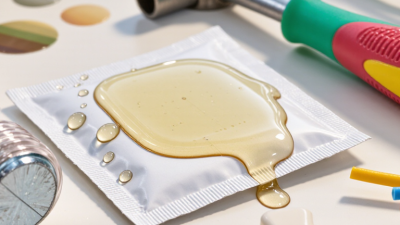
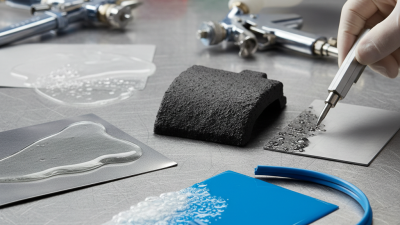
Plastic coating is a thin polymer layer placed on another material, such as paper, metal, wood, or fabric. It can help resist moisture, friction, stains, or corrosion, depending on the coating and the surface beneath it. Thin, but functional. The coating may arrive as a liquid, powder, or molten film. Manufacturers apply it by spraying, dipping, brushing, or extrusion; the best method depends on the product’s shape and production speed. A metal part might be dipped for even coverage, while a moving paper sheet can receive a continuous extruded layer.

After application, the layer may dry, cool, or cure with heat or ultraviolet light. Surface preparation matters: dust, oil, or poor adhesion can cause peeling or uneven patches. It can be messy. In practice, a coating that performs well on a flat test panel may behave differently around corners or joints, so production trials are important.

The scale of plastic use makes those choices worth examining. The OECD’s 2022 Global Plastics Outlook reports that global plastic production reached 460 million tonnes in 2019, more than twice its 2000 level. The same report estimates 353 million tonnes of plastic waste in 2019, with only 9% recycled. A bonded coating can make some products harder to separate for recycling, especially in layered packaging. That trade-off matters: added protection is useful only when its real service benefit justifies the extra material and separation challenge.
Which Properties Make Plastic Coatings Useful?

Plastic coatings add a functional surface without changing the whole product. Their value depends on what the item faces every day. A water-resistant layer can slow moisture from reaching metal, wood, or fabric beneath it. On a metal tool, that may reduce rust; on a handle, it can make cleaning easier. Some formulations resist oils, mild chemicals, scuffs, or sunlight better than the bare material. That matters. A coating may also provide electrical insulation or create a smoother, less sticky feel.

Flexibility is useful when a product bends or gets handled often. A rigid coating may crack under repeated movement, while a flexible one can follow the surface more easily. Strong adhesion helps prevent peeling, but the right surface preparation still matters. Temperature resistance can protect a coating near warm equipment, although every material has limits. Not always. A thicker layer is not automatically better; it may chip or hide fine details. The coating should suit the product’s actual use, and a small wear test can reveal problems that a clean sample does not.

Why Is Plastic Coating Used on Products?

Typical density ranges of common plastics used in coatings (g/cm³)

Plastic coatings can help protect surfaces from moisture, chemicals, and wear, while adding little weight when low-density polymers are used. Bars show approximate range midpoints; the ranges shown in the labels vary by grade and formulation. Density is only one factor in choosing a coating.

How Does Plastic Coating Protect Different Products?

Plastic coatings protect products by adding a barrier between the product and its surroundings. On steel tools or outdoor fittings, a well-bonded layer can reduce contact with moisture and slow corrosion. Water is a threat. On paper cups and food packaging, thin coatings can help resist leaks and grease. They also help surfaces stay cleaner during handling.

Different products need different protection. A flexible coating can bend with a cable without cracking, while a harder finish may resist scuffs on a household item. For electronic components, specialized coatings can limit damage from humidity, dust, or accidental splashes. They do not make every device waterproof. The material, thickness, surface preparation, and coating process all affect performance. Small gaps matter.

Plastic coating is not permanent armor. Sharp scratches can expose the material underneath, and heat or sunlight may weaken some coatings over time. It is easy to overstate the benefit. A coating can reduce wear, but it cannot fix a poorly designed product or unsuitable material. For practical use, the coating should match the product’s environment and expected handling. Sometimes a thicker layer seems safer, but it may peel or interfere with moving parts. That trade-off deserves attention.

Why Is Plastic Coating Used on Products? How Does It Protect Different Products?

Product or Material Common Plastic Coating How It Helps Protect Typical Uses Important Consideration
Steel pipes and fittings Polyethylene or epoxy coating Acts as a barrier against moisture and corrosive substances, helping reduce corrosion when the coating remains intact. Water, gas, and industrial piping Surface preparation and inspection matter; damage or gaps can expose the metal to corrosion.
Electrical wires and cables PVC, polyethylene, or other insulating polymers Provides electrical insulation and helps shield conductors from abrasion, moisture, and contact with other materials. Building wiring, appliances, and communication cables Temperature, voltage, flexibility, and fire-safety requirements determine which material is suitable.
Metal food cans Food-contact polymer lining Separates the contents from the metal surface, helping limit corrosion and unwanted interaction between the food and the can. Canned foods and beverages The lining must be suitable for the specific food, processing conditions, and applicable food-contact requirements.
Automotive body panels Automotive paint and polymer-based clear coat Helps shield the finish from water, sunlight, road grime, and minor surface abrasion while providing color and gloss. Exterior vehicle surfaces Coatings can be scratched or chipped; they do not make the surface immune to damage or corrosion.
Textiles and outdoor fabrics Polyurethane or other water-resistant finish Can reduce water penetration and help protect fabric from stains or wear, depending on the coating and construction. Rainwear, awnings, and protective covers Water resistance is not necessarily the same as waterproofing; flexibility and breathability may be affected.
Paper and paperboard packaging Polyethylene or other thin polymer layer Helps resist moisture and grease, improving the package’s ability to contain or protect its contents. Liquid cartons, cups, and food packaging Coatings can complicate recycling, so local collection and processing capabilities should be checked.
Metal tools and equipment handles PVC, thermoplastic elastomer, or nylon coating Provides a more comfortable grip and can reduce direct contact with the underlying metal; some coatings also add abrasion resistance. Hand tools, racks, and equipment components Resistance to heat, chemicals, and repeated wear varies by polymer and coating thickness.
Optical lenses and transparent components Hard polymer coating or anti-reflective coating system Can improve scratch resistance or reduce surface reflections, depending on the coating design. Eyewear, camera lenses, and instrument covers Coatings can still be scratched and should be cleaned using methods suitable for the specific surface.

What Types of Products Commonly Use Plastic Coatings?

Plastic coatings are used on many products because a thin polymer layer can change how a surface handles moisture, friction, or everyday wear. The exact benefit depends on the coating and the material underneath. A coating is not a cure-all.

Cookware may have a nonstick coating that helps food release and makes cleaning easier. Electrical wires often use plastic insulation to reduce contact with conductive parts. Phone cases, appliance housings, and tool handles may have coated or molded plastic surfaces for grip and abrasion resistance. Small details matter. A slightly textured finish, for example, can feel steadier in a damp hand.

Packaging is another common use. Plastic films can help protect food from moisture or keep dust away from small components. Outdoor furniture and metal fixtures may also receive polymer coatings to slow surface wear. In vehicles, coated interior panels can be easier to wipe clean. These uses vary: a coating suited to a wire may not tolerate the heat or scratching faced by cookware.

It is worth looking beyond the smooth finish. Coatings can chip, peel, or wear thin, especially when the product is used roughly or cleaned with unsuitable tools. They may also make material recovery more complicated when layers are difficult to separate. A durable surface is useful, but it is not automatically the most sustainable choice.

What Are the Limitations and Environmental Impacts of Plastic Coatings?

Plastic coatings protect products from moisture, grease, scratches, and corrosion, but that thin shield can create a stubborn recycling problem. A paper cup may look recyclable, yet its plastic lining can complicate fiber recovery. Coated layers are difficult to separate, especially when they bond tightly or combine with inks and adhesives. There is an awkward trade-off: added protection can reduce product damage, while making the packaging harder to process.

The OECD’s Global Plastics Outlook (2022) reports that 353 million tonnes of plastic waste were generated worldwide in 2019; only 9% was recycled. That figure covers all plastics, not coatings alone. Still, it shows why small design choices matter. UNEP’s Turning off the Tap (2023) estimates that plastics produced 1.8 billion tonnes of greenhouse gas emissions in 2019 across their life cycle. Coatings are only one part of that footprint, but their material mix can hinder reuse and recycling. Better protection is not automatically better design.

Tips: Check whether a coating is accepted by local recycling facilities, and prefer products with clearly identified, single-material packaging. For manufacturers, test coating performance against the minimum needed. Less can be enough. A coating that peels cleanly sounds ideal, though real-world sorting conditions may not cooperate.