Essential Tips for Choosing the Right Plastic Coating Solutions?
When it comes to surface protection, choosing the right plastic coating is crucial. Different industries often require different properties from their coatings. Factors such as durability, appearance, and resistance to chemicals can dramatically affect performance. Understanding these needs is essential for making informed decisions.
Selecting a plastic coating involves more than just a simple choice. You must consider the application method and environment. Each coating has unique specifications that can lead to varied outcomes. Ignoring these details may result in inefficient protection or costly repairs down the line.
Expertise in plastic coatings helps ensure quality and longevity. Engaging with knowledgeable suppliers can provide insights that might not be immediately obvious. Evaluate your options carefully; not all coatings are created equal. It's a decision that requires thought and attention to detail for long-lasting results.
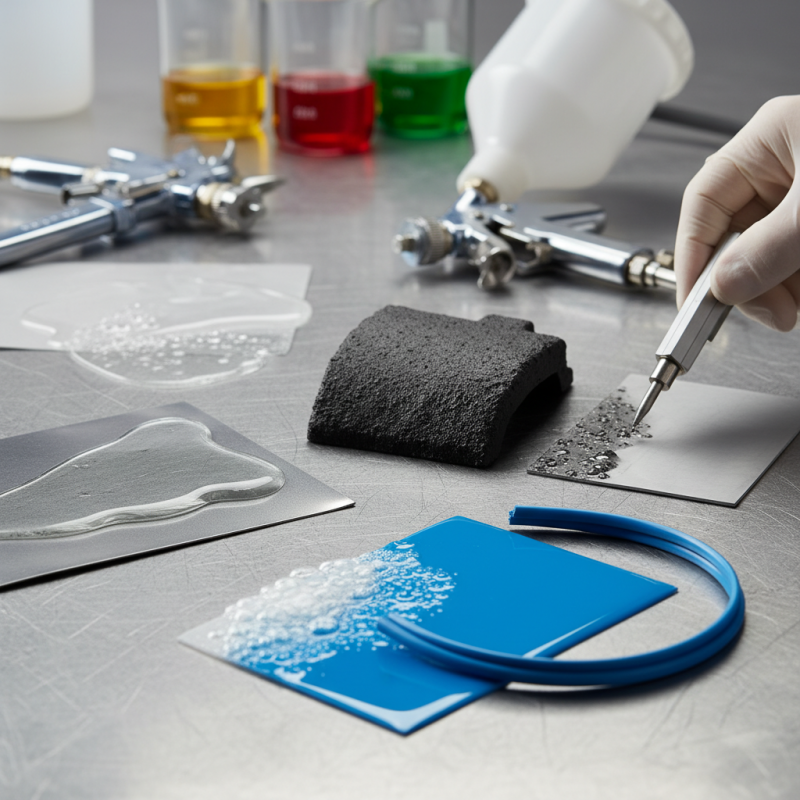
Selecting the Right Plastic Coating Type Based on Application Needs
When selecting a plastic coating type, understanding the specific application needs is crucial. Different industries have varied requirements. For instance, automotive applications demand coatings that withstand heat, chemicals, and abrasion. Conversely, electronic components often need coatings that provide insulation and protection against moisture. Identifying these requirements is the first step in choosing the right coating.
The texture and finish of the coating also matter. Some applications may require a glossy finish for aesthetic appeal, while others need a matte finish to minimize glare. The durability of the coating can vary. Factors like exposure to UV light or aggressive cleaning methods can affect the longevity of the coating. Evaluating the environment where the coated material will be used helps avoid unexpected failures.
It’s important to remember that not all coatings are created equal. Trial and error can be part of the process. It's wise to consult with experts in the field to gather insights. While some manufacturers may offer comprehensive guidelines, real-world testing often reveals unexpected challenges. Taking the time to assess your specific needs will lead to a more reliable coating choice in the long run.
Understanding the Key Properties of Different Plastic Coatings
When selecting the right plastic coating solutions, understanding the key properties of different coatings is crucial. Each type of coating offers unique benefits tailored to specific applications. For instance, epoxy coatings provide exceptional adhesion and chemical resistance, ideal for harsh environments. According to a report by MarketsandMarkets, the global epoxy resin market is projected to reach $9.43 billion by 2026. This shows a significant demand for durable coatings.
Polyurethane coatings, on the other hand, are renowned for their flexibility and abrasion resistance. They often perform well in outdoor applications, where UV stability is vital. The global polyurethane coatings market is expected to grow at a CAGR of 6.2% from 2021 to 2028, highlighting their increasing use in various industries. However, not all polyurethane options provide the same level of performance, making research essential.
Consider the thermal stability of coatings. Some plastics may deform at higher temperatures, limiting their application range. A study published in the Journal of Coatings Technology and Research reveals that coatings with superior thermal resistance can greatly extend the lifespan of components. It’s important to evaluate these properties to ensure the coating meets your specific needs. Choosing a solution that lacks the right properties can lead to costly rework and reduced product lifespan.
Evaluating Environmental and Durability Factors in Coating Selection
When selecting plastic coating solutions, understanding environmental and durability factors is crucial. Recent studies indicate that nearly 70% of coating failures are linked to inadequate environmental resistance. Factors like humidity, temperature, and UV exposure directly impact the longevity of coatings. For instance, coatings that lack proper UV protection can degrade within months under direct sunlight. This not only affects aesthetics but can also lead to significant maintenance costs over time.
Durability isn't just about the coating itself. It is also about the substrate it protects. A robust coating on a weak substrate will not yield the desired results. Data shows that coatings on well-prepared surfaces can enhance lifespan by up to 50%. However, the preparation process is often overlooked. Without thorough surface cleaning and priming, even the best coatings can fail prematurely.
Environmental factors are frequently underestimated. Toxic substances in some coatings can harm ecosystems and public health. Research has shown that eco-friendly coatings can perform as well—if not better—than traditional options. Embracing sustainable materials is not only a regulatory requirement but also a market demand. The shift towards environmentally friendly solutions is not just a trend; it is essential for long-term resilience.
Environmental and Durability Factors in Plastic Coating Selection
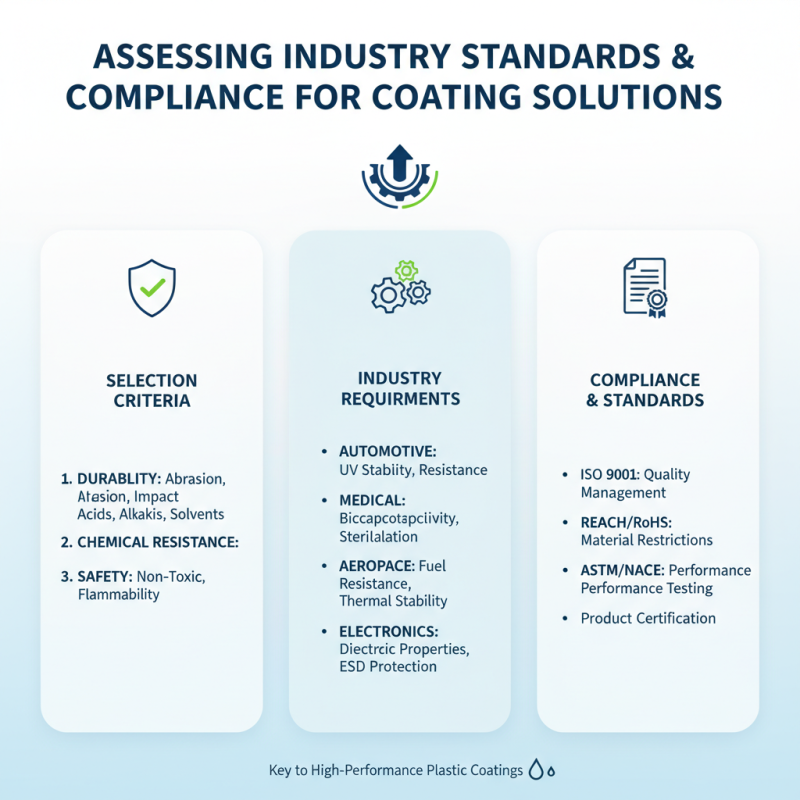
Assessing Industry Standards and Compliance for Coating Solutions
When selecting plastic coating solutions, assessing industry standards is crucial. Various industries have specific requirements for coatings. Each sector demands different levels of durability, chemical resistance, and safety.
Compliance with industry standards ensures that your selected coating performs as expected. Testing methods and certifications are key indicators of reliability. Familiarize yourself with international and local regulations. This understanding helps in making informed choices.
Yet, not all products meet these rigorous standards. Sometimes, the claims made by manufacturers can be misleading. It's essential to conduct thorough research before selecting a coating solution. Request documentation and review testing reports. Doing so will guide you in choosing a coating that truly meets your needs.
Calculating Cost-Effectiveness and Longevity of Plastic Coatings
When considering plastic coating solutions, evaluating cost-effectiveness and longevity is crucial. According to the Coating Industry Association, properly applied plastic coatings can last up to 20 years, depending on the environment. Choosing the right coating affects not only durability but also maintenance costs over time.
Calculating the total cost involves analyzing initial investment alongside potential maintenance expenses. Reports suggest that high-quality coatings can save up to 30% in maintenance costs. This emphasizes the importance of selecting a solution that aligns with your specific needs.
Tips for choosing coatings include assessing the environment where the coated item will be used. Understand how factors like humidity and temperature can impact coating lifespan. Additionally, consider the application method, as some coatings may require specific techniques for optimal performance. It’s important to research and consult with knowledgeable professionals to select the most appropriate solution for your situation.
Investing time in these considerations can lead to better long-term outcomes. Many businesses overlook these details, only to face unexpected costs later. With the right approach, you can achieve a balance between quality and affordability in your plastic coating choice.