Why Choose Over Molding for Product Manufacturing?
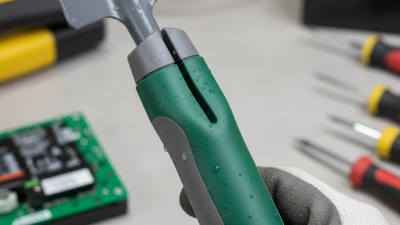
Over molding combines two materials in one engineered component. A soft elastomer may surround a rigid plastic core, creating grip, sealing, insulation, or impact protection. The result feels integrated in the hand, not assembled afterward. That difference can reduce loose parts, secondary operations, and potential assembly failures.
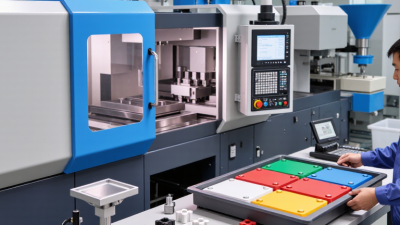
John Bozzelli, a respected scientific molding consultant, has said, “The mold is the heart of the process.” His observation remains practical. A well-designed mold controls material flow, cooling, shrinkage, and bonding around every corner. Engineers must still verify resin compatibility, surface preparation, draft angles, and injection pressure. Small errors can appear as flash, peeling, sink marks, or incomplete coverage.
Over molding is powerful.
It is not a magic shortcut.
Manufacturers often choose this process for tool handles, medical-device grips, cable protection, automotive switches, and wearable components. The best results begin with realistic testing. Samples should face repeated gripping, temperature changes, chemical exposure, and flexing before production approval. A beautiful first article may still fail after weeks of use.
The process also requires honest cost evaluation. Tooling can be more complex, and material selection can narrow production options. Cycle time may increase when multiple shots or careful cooling are necessary. These limitations deserve attention, not marketing language. When design, materials, tooling, and quality controls work together, over molding can create durable products with fewer visible seams and a more convincing user experience.
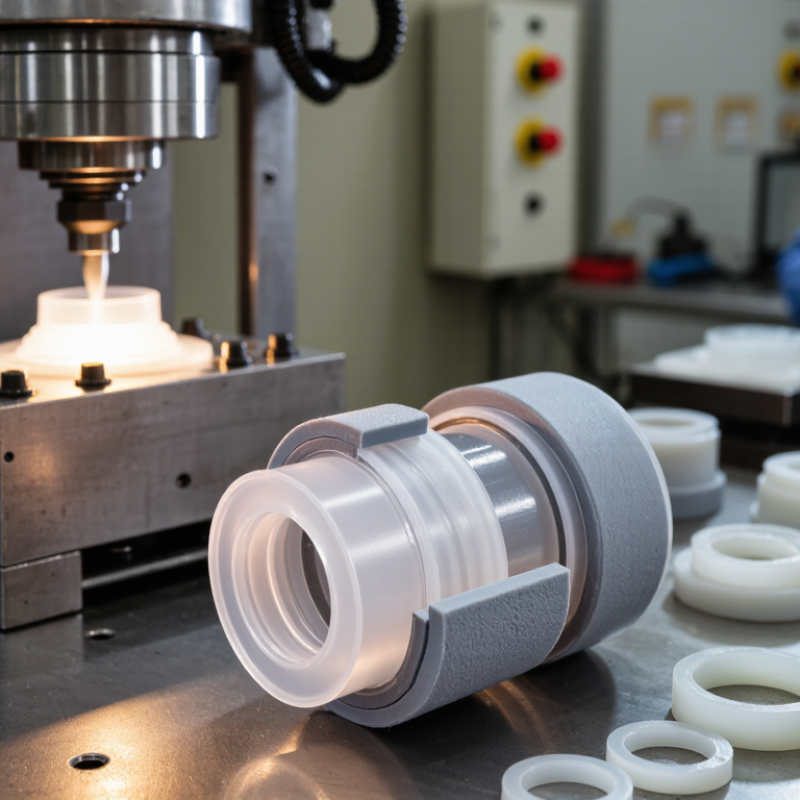
Overmolding is a manufacturing process that combines two materials in one finished part. A rigid substrate is molded first, then placed into another mold. A second material, often TPE, silicone, or a softer plastic, is injected around selected areas. Heat and pressure create a chemical bond, while grooves, holes, or undercuts add mechanical strength.
This process can improve grip, sealing, vibration control, and product appearance. It may also reduce assembly steps and separate fasteners. Grand View Research reported that the global injection molded plastics market reached approximately USD 309 billion in 2023. That scale shows why process control matters. Small changes in temperature, moisture, or gate position can cause weak bonding, flash, or visible flow marks. In my experience, designers sometimes focus too much on appearance. The interface deserves equal attention.
Tips: Test material compatibility before cutting production tooling. Check shrinkage, mold temperature, and substrate cleanliness. Use sample parts, not only computer simulations. Imperfect trials often reveal hidden problems.
A reliable overmolding design starts with the end user’s hand, environment, and service life. A soft grip may feel comfortable indoors but harden in cold conditions. A sealed component may still fail if the bond line is poorly positioned. The 2024 SPI industry outlook also emphasizes efficiency and material performance as major manufacturing priorities. Therefore, engineers should evaluate cycle time, scrap rate, recyclability, and repair limitations together. Overmolding is efficient, but it is not automatically economical. Tooling errors can be expensive.
| Manufacturing Dimension | Overmolding | Conventional Assembly | Practical Implication |
|---|---|---|---|
| Basic Definition | A second material is molded directly over a preformed substrate in a single integrated component. | Separate components are manufactured independently and joined using fasteners, adhesives, welding, or other assembly methods. | Overmolding can combine multiple functions in one finished part. |
| Typical Material Combination | A rigid thermoplastic substrate combined with a softer thermoplastic elastomer, rubber-like material, or another compatible thermoplastic. | Materials are produced separately and connected after molding. | Material compatibility, bonding behavior, shrinkage, and processing temperature must be evaluated during design. |
| How the Process Works | The substrate is placed in a mold or formed in an earlier cavity. The second material is then injected around selected areas and allowed to cool or cure. | Parts are molded, transferred, aligned, and joined in separate manufacturing or assembly steps. | Insert molding and two-shot molding are common overmolding approaches. |
| Grip and Tactile Performance | Soft-touch materials can create textured, cushioned, or non-slip surfaces directly on handles, controls, and contact areas. | A separate grip or pad may need to be attached after the rigid part is produced. | The design can improve handling comfort while reducing the number of loose components. |
| Protection and Sealing | The second material can provide cushioning, edge protection, strain relief, vibration damping, or a molded sealing feature. | Protection and sealing often require additional gaskets, sleeves, covers, or assembly operations. | Overmolding may reduce interfaces where moisture, dust, or movement could become a concern, subject to product testing. |
| Component Count | Two or more materials can be integrated into one molded part. | Separate parts may require fasteners, adhesives, clips, or additional subassemblies. | Lower part count can simplify inventory, handling, and assembly planning. |
| Aesthetic Options | Supports molded-in color changes, textures, logos, ergonomic contours, and defined material boundaries. | Visual features may require painting, labeling, secondary finishing, or installation of decorative components. | Design and appearance can be incorporated into the mold and material selection process. |
| Structural Bonding | Bonding may be chemical, mechanical, or a combination of both. Features such as undercuts, holes, ribs, and grooves can improve mechanical retention. | Joint strength depends on the selected fastener, adhesive, weld, or assembly method. | Part geometry and process conditions are critical to preventing delamination or separation. |
| Production Efficiency | Can consolidate molding and joining into a controlled molding cycle, especially in high-volume production. | Requires additional handling, equipment, labor, or automation for separate joining operations. | Potential process savings depend on tooling investment, production volume, cycle time, and material cost. |
| Design Requirements | Requires attention to wall thickness, draft angles, mold filling, gate location, cooling, shrinkage, and substrate positioning. | Each component is designed for its own process, followed by the requirements of the final joint. | Early design-for-manufacturing reviews help reduce warpage, flash, voids, short shots, and bonding problems. |
| Common Applications | Hand tools, consumer controls, medical device components, cable strain reliefs, protective covers, seals, and ergonomic grips. | Applications where materials are incompatible, volumes are low, repairs are expected, or separate replacement is required. | The best method depends on performance, volume, serviceability, material compatibility, and total cost. |
| Main Trade-Off | Higher tooling complexity and stricter material and process control may be required. | More assembly steps and interfaces may increase labor, part count, and potential joint-related failures. | Overmolding is most suitable when integrated function, appearance, durability, or assembly reduction justifies the tooling investment. |
Note: Actual performance depends on material pairing, part geometry, mold design, processing parameters, environmental exposure, and validation testing.