2026 Top Rotational Molding Manufacturers Worldwide?

The 2026 Top Rotational Molding Manufacturers Worldwide? ranking should examine more than factory size or online visibility. It should assess process control, material expertise, tooling capability, delivery reliability, and verified customer performance.

Grand View Research estimates the global rotational molding market at roughly USD 5.5 billion in 2023. Its forecast indicates steady growth through 2030, supported by infrastructure, automotive, and industrial applications. MarketsandMarkets reports similar expansion, although its figures differ because each study uses different definitions and regional coverage. These differences matter. Market data is useful, but never perfect.

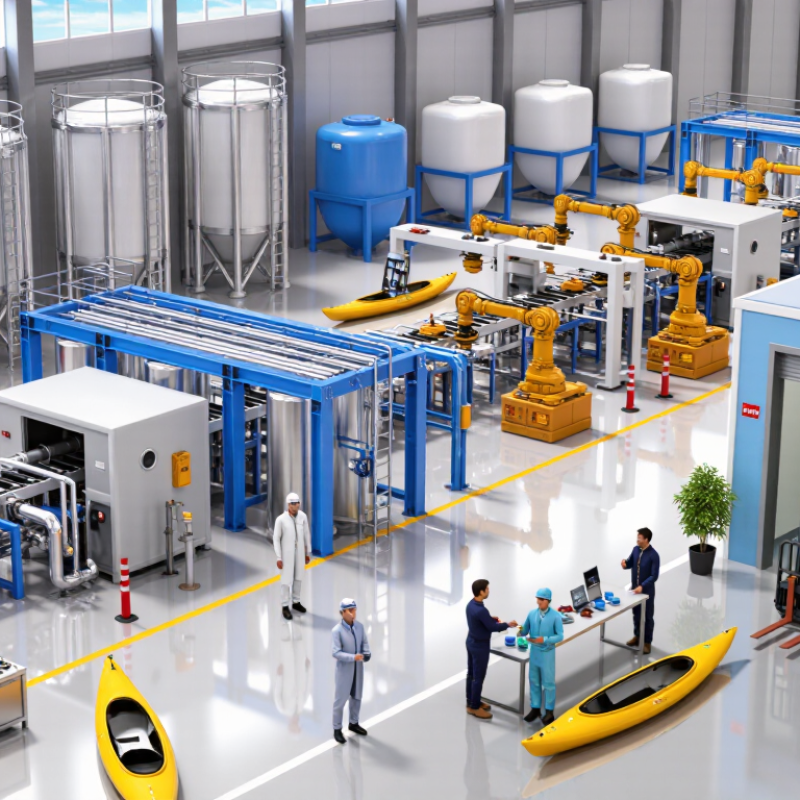
Dr. Richard Crawford, author of Rotational Molding Technology, describes the process as “a process for producing hollow plastic parts.” That simple definition explains its strength. Manufacturers can produce large tanks, kayaks, medical housings, and playground components without weld lines. Quality still depends on oven temperature, resin distribution, cycle timing, and operator discipline. A few degrees can change wall thickness. A small tooling defect can become visible across an entire production run.

This overview will compare leading manufacturers using practical evidence. It will consider certifications, production capacity, geographic reach, engineering support, and documented industries served. Price alone will not decide the list. Nor will polished marketing photographs. Some companies publish limited performance data, which makes comparison difficult. That limitation deserves attention. A credible 2026 ranking should separate verified capability from attractive claims. It should also recognize regional specialists, not only multinational suppliers.

2026 Top Rotational Molding Manufacturers Worldwide?

What Is Rotational Molding and How Does It Work?

Rotational molding, or rotomolding, forms hollow plastic parts inside a heated mold. The process begins with a measured charge of polymer powder. Operators place it inside a metal mold, close the mold, and rotate it around two perpendicular axes. Heat then melts the powder into a liquid layer. Centrifugal force is not the main mechanism. Mold-wall contact and gravity distribute the material.

As the mold keeps rotating, the polymer coats corners, ribs, and curved surfaces. Cooling follows while rotation continues, often with air or water mist. The solid part is removed after shrinkage releases it from the mold. This method produces tanks, containers, pallets, and playground components with relatively low internal stress. It also supports one-piece construction, reducing weld lines and possible leak paths.

Grand View Research estimated the global rotational molding market at roughly USD 5 billion in 2023, with continued growth expected through the decade. Other market reports provide different totals because they classify materials and end-use products differently. That inconsistency deserves attention. Market size alone cannot prove process quality. Wall thickness, powder control, mold temperature, and cooling time strongly affect performance. In practice, uneven heating may create thin areas, while excessive cooling can increase distortion. Experienced manufacturers therefore monitor part weight, temperature history, and dimensional change rather than trusting appearance alone. The surface may look perfect. The interior still needs testing.

Key Factors for Evaluating Global Rotational Molding Manufacturers

2026 Top Rotational Molding Manufacturers Worldwide?

Choosing a global rotational molding manufacturer requires more than comparing quoted prices. A 2024 Grand View Research assessment valued the global rotational molding market at approximately USD 5.2 billion in 2023. It also projects steady growth through 2030. This growth increases supplier competition, but it does not guarantee consistent quality.

Start with process capability. Ask for documented control of resin drying, mold temperature, rotation speed, and cooling time. Experienced suppliers should provide dimensional reports, material certificates, and corrective-action records. Their factory should show practical controls, not only polished presentations. Sample parts can reveal wall-thickness variation, trapped air, warpage, and weak inserts.

Production scale also matters. Mordor Intelligence estimates the market could exceed USD 7 billion by 2029, supported by demand from water storage, transportation, and industrial equipment. A capable manufacturer should explain monthly capacity, mold-change time, maintenance planning, and backup equipment. Capacity claims deserve careful checking.

Supply-chain reliability needs equal attention. Review resin sourcing, tooling lead times, packaging methods, and export documentation. Request evidence from comparable projects, while protecting confidential information. Certifications may support trust, but they cannot replace process audits. This is where evaluations often become imperfect. Buyers may overvalue certificates and undervalue cooling discipline.

Visit the plant when possible. Watch operators load powder, inspect molds, and record cycle data. Ask how defects are contained before shipment. A transparent answer is often more valuable than a perfect sales presentation.

Leading Rotational Molding Manufacturers Worldwide in 2026

Leading Rotational Molding Manufacturers Worldwide in 2026 are being judged by more than machine count. Buyers now examine mold engineering, resin consistency, cycle monitoring, and delivery reliability. Grand View Research estimates the global rotational molding market could exceed USD 5 billion during the decade, with steady growth through 2030. That expansion favors manufacturers serving water storage, industrial equipment, automotive components, and outdoor products.

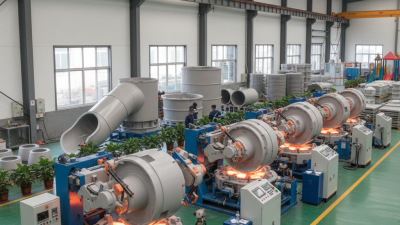
Regional leaders are investing in automated powder dosing, robotic trimming, and digital temperature tracking. Mordor Intelligence identifies North America, Europe, and Asia-Pacific as major demand centers, while Asia-Pacific shows strong production growth. Leading manufacturers typically combine multi-arm molding cells with in-house tooling and material testing. They also document wall thickness, impact strength, and ultraviolet resistance for each production batch.

Details matter.

A factory visit should include cooling areas, mold storage, and rejected-part records. These reveal operational discipline better than polished brochures. Manufacturers with ISO 9001 systems often provide stronger traceability, but certification alone does not guarantee consistent parts. That is an uncomfortable limitation. Energy use also deserves attention, because long heating and cooling cycles can increase production costs. In 2026, the strongest suppliers will likely be those balancing automation, recycled-content trials, engineering support, and realistic lead times. Some rankings may still favor revenue over technical depth, which makes independent audits and sample testing essential.

2026 Top Rotational Molding Manufacturers Worldwide? - Leading Rotational Molding Manufacturers Worldwide in 2026
Manufacturing Region Global Position Core Rotomolding Strengths Common Product Applications Frequently Processed Materials Typical Equipment Capabilities Quality and Compliance Focus Sustainability Practices
North America Established leader Large-part production, engineered tanks, custom tooling, short-to-medium production runs, and complex hollow components. Water and chemical tanks, material-handling containers, recreational products, traffic equipment, agricultural components, and industrial housings. Linear polyethylene, cross-linked polyethylene, polypropylene, nylon, and specialty polymer compounds. Shuttle, carousel, rock-and-roll, and open-flame systems; automated loading, temperature monitoring, and multi-arm production cells are common. Dimensional inspection, leak testing, material traceability, process documentation, and customer-specific quality systems. Use of recyclable polyethylene, controlled powder dosing, scrap reduction, lightweighting, and designs that support long service life.
Western Europe Technology-intensive High process control, precision components, demanding surface finishes, advanced tooling, and strong engineering support. Industrial containers, mobility components, medical and healthcare products, furniture, playground equipment, and infrastructure products. Polyethylene grades, polypropylene, polyamide, thermoplastic elastomers, and application-specific polymer blends. Highly controlled oven systems, automated mold handling, robotic demolding, digital process records, and energy-monitoring systems. ISO 9001-based quality management, product-specific regulatory requirements, dimensional control, and documented validation procedures. Energy-efficient ovens, recycled-content evaluation, material optimization, repairable product designs, and lifecycle-oriented development.
Central and Eastern Europe Growing industrial base Competitive production, export-oriented manufacturing, heavy-duty components, and flexible tooling for industrial customers. Storage tanks, transport pallets, waste containers, industrial covers, agricultural products, and construction-related components. Linear low-density polyethylene, high-density polyethylene, polypropylene, and reinforced polymer formulations. Shuttle and carousel machines, manual and semi-automated mold handling, CNC tooling support, and batch production systems. Dimensional testing, pressure and leak testing, weld-line inspection, material certification, and export-market documentation. Reduced wall thickness where technically suitable, lower process waste, recycled resin trials, and improved oven insulation.
China and East Asia High-volume supplier base Broad product coverage, tooling integration, scalable production, export manufacturing, and rapid development of standard products. Consumer products, toys, marine components, tanks, packaging-related items, outdoor equipment, and industrial enclosures. Polyethylene, polypropylene, polyvinyl chloride compounds, nylon, and other thermoplastic grades selected by application. Shuttle, carousel, and rock-and-roll equipment; automated charging, robotic handling, mold-temperature control, and integrated tooling services. Batch traceability, dimensional inspection, appearance standards, load testing, leak testing, and customer-specific inspection plans. Use of recyclable thermoplastics, optimized cycle times, powder recovery, lighter product designs, and production-energy monitoring.
South Asia Fast-expanding capacity Cost-effective production, customized tanks and containers, domestic infrastructure supply, and adaptable medium-volume manufacturing. Water storage tanks, sanitation products, agricultural equipment, waste containers, material-handling products, and industrial parts. Linear polyethylene, high-density polyethylene, polypropylene, and UV-stabilized polymer grades. Shuttle and carousel machines, manual mold loading, semi-automated handling, and tooling for large hollow products. Wall-thickness checks, leak testing, load testing, UV-resistance evaluation, material verification, and production batch records. Long-life tank designs, recyclable polymer use, controlled material consumption, and process improvements aimed at reducing rejects.
Japan and South Korea Precision-focused Specialized engineering, consistent quality, complex geometries, tight process control, and advanced material development. Automotive components, industrial equipment, medical products, electronic equipment housings, marine parts, and precision containers. Polyethylene, polypropylene, polyamide, engineering thermoplastics, and reinforced or modified polymer compounds. Automated carousel and shuttle systems, robotic handling, controlled heating and cooling, digital data capture, and specialized tooling. Statistical process control, dimensional capability studies, traceability, functional testing, and sector-specific customer audits. Lightweighting, material efficiency, energy management, recycled-material assessment, and design for durability and recyclability.
Australia and New Zealand Specialist market Outdoor durability, corrosion resistance, infrastructure products, large tanks, and products designed for demanding climates. Rainwater tanks, septic systems, agricultural products, marine equipment, mining components, playgrounds, and outdoor storage. UV-stabilized polyethylene, cross-linked polyethylene, linear polyethylene, and application-specific polymer grades. Large-part shuttle and carousel machines, heavy-duty mold systems, automated temperature control, and specialized tank tooling. Leak testing, UV and weathering considerations, impact testing, dimensional inspection, and product-specific compliance documentation. Long-service-life designs, recyclable polyethylene, reduced maintenance requirements, repairable components, and lower material use through optimized design.
Latin America Developing regional base Water infrastructure products, agricultural applications, durable containers, and localized manufacturing for regional demand. Water tanks, waste containers, agricultural bins, coolers, playground equipment, industrial containers, and utility products. Polyethylene, polypropylene, UV-stabilized polyethylene, and impact-modified thermoplastic materials. Shuttle and carousel machines, manual or semi-automated handling, large-part molding, and flexible tooling for varied product sizes. Leak and load testing, dimensional checks, UV-resistance requirements, material inspection, and customer acceptance testing. Durable products for extended use, recyclable thermoplastic selection, lower scrap rates, and localized production to reduce transport demand.
Middle East Infrastructure-driven Large storage products, harsh-climate performance, chemical resistance, and supply for water, construction, and industrial projects. Water tanks, chemical containers, wastewater products, construction barriers, industrial ducts, and agricultural storage systems. UV-stabilized polyethylene, cross-linked polyethylene, linear polyethylene, and chemical-resistant polymer grades. Large-capacity shuttle and carousel equipment, heavy molds, controlled heating cycles, and production systems for oversized hollow parts. Leak testing, pressure or load evaluation, UV-stability requirements, dimensional checks, and project-specific technical documentation. Long-life products, reduced replacement frequency, efficient wall-thickness design, recyclable materials, and lower water-infrastructure maintenance demand.
Africa Emerging opportunity Water storage, sanitation, agricultural products, local supply, and durable components adapted to infrastructure requirements. Water tanks, sanitation units, waste containers, agricultural bins, utility housings, playground products, and transport containers. Polyethylene, UV-stabilized polyethylene, polypropylene, and impact-resistant thermoplastic compounds. Shuttle and carousel machines, manual loading systems, flexible batch production, and equipment configured for large hollow products. Leak testing, impact and load testing, dimensional inspection, material verification, and project-based quality documentation. Durable designs, recyclable thermoplastics, reduced product weight where appropriate, local manufacturing, and minimized maintenance needs.
Data note: This comparison summarizes widely recognized regional manufacturing capabilities and application patterns in rotational molding. It is not a definitive ranking of individual manufacturers, and company names and brand-specific performance data have been intentionally omitted.

Industries and Products Served by Rotational Molding Companies

Rotational molding manufacturers serve markets where durability, seamless construction, and design flexibility matter. Recent assessments from Grand View Research estimate the global market at roughly USD 5 billion in 2023, with steady growth through 2030. Estimates differ by methodology, so buyers should inspect each report’s scope.

Water and wastewater operators use molded tanks, drums, and chemical storage vessels. Agriculture depends on feed bins, irrigation tanks, and protective equipment housings. Construction companies order traffic barriers, tool cases, and site containers. These products often require UV stabilizers, impact resistance, and predictable wall thickness. Small flaws become expensive outdoors.

Consumer and recreational sectors add kayaks, coolers, playground components, and outdoor furniture. Healthcare facilities use carts, instrument housings, and large waste containers because seamless surfaces simplify cleaning. Automotive suppliers also request ducts, reservoirs, and protective covers with complex shapes.

A 2024 MarketsandMarkets forecast places the rotational molding market on a mid-single-digit growth path through 2028, supported by infrastructure and material-handling demand. But growth is not automatic. Resin selection, mold temperature, cooling control, and quality inspection can change product life significantly. Some industry forecasts appear optimistic. That deserves a closer review.

How to Choose the Right Rotational Molding Manufacturer in 2026

How to Choose the Right Rotational Molding Manufacturer in 2026

Choosing a rotational molding manufacturer requires more than comparing unit prices. Examine its experience with similar products, materials, and production volumes. A supplier making outdoor tanks may not understand the tolerances required for medical housings or industrial enclosures.

Request a molded sample, not only a polished presentation. Inspect wall thickness near corners, parting lines, inserts, and textured surfaces. Ask how the factory controls heating time, mold rotation, cooling, and demolding. Small process changes can create warping, bubbles, or weak areas. They matter.

Good manufacturers provide material certificates, process records, and inspection data for each batch. Confirm whether their equipment can support your mold dimensions and annual demand.

A capable engineering team should review draft angles, vent placement, shrinkage, and assembly needs before tooling begins. This review can prevent expensive rework.

Visit the facility if possible. Observe mold maintenance, resin storage, operator training, and quality checks on the production floor. Ask for realistic lead times, tooling ownership terms, replacement plans, and corrective-action procedures. A low quotation may hide limited testing or weak communication.

Do not rely on certifications alone. They show structure, not necessarily product competence. Pilot production is useful, but it is not perfect; limited runs may fail to reveal seasonal temperature changes or long-term stress. Define acceptance criteria early, then test finished parts under actual load, heat, moisture, and handling conditions. Reliable cooperation often becomes visible when a defect appears, not when everything goes smoothly.