Top 10 Benefits of Rotational Molding for Your Business?
Rotational molding is a manufacturing process that has gained traction in various industries. Businesses are increasingly recognizing its value. This technique offers unique advantages that can significantly enhance production efficiency.
One of the standout benefits of rotational molding is its ability to create complex shapes. This flexibility allows companies to design products tailored to specific needs. Furthermore, the durability of products made through this method is noteworthy. They often outlast alternatives made by traditional methods.
Cost efficiency is another important aspect. Rotational molding typically requires lower startup costs compared to other manufacturing processes. However, it is essential to remember that the learning curve may present challenges. Companies must invest time to master the intricacies of rotational molding. The potential for innovation is immense, yet it calls for a commitment to the process. Recognizing both advantages and limitations is key to successful implementation.
Understanding Rotational Molding: A Key Manufacturing Process
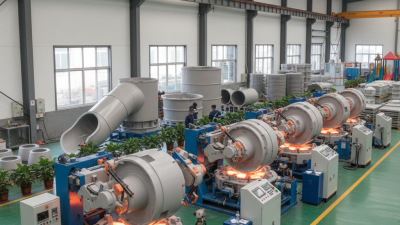
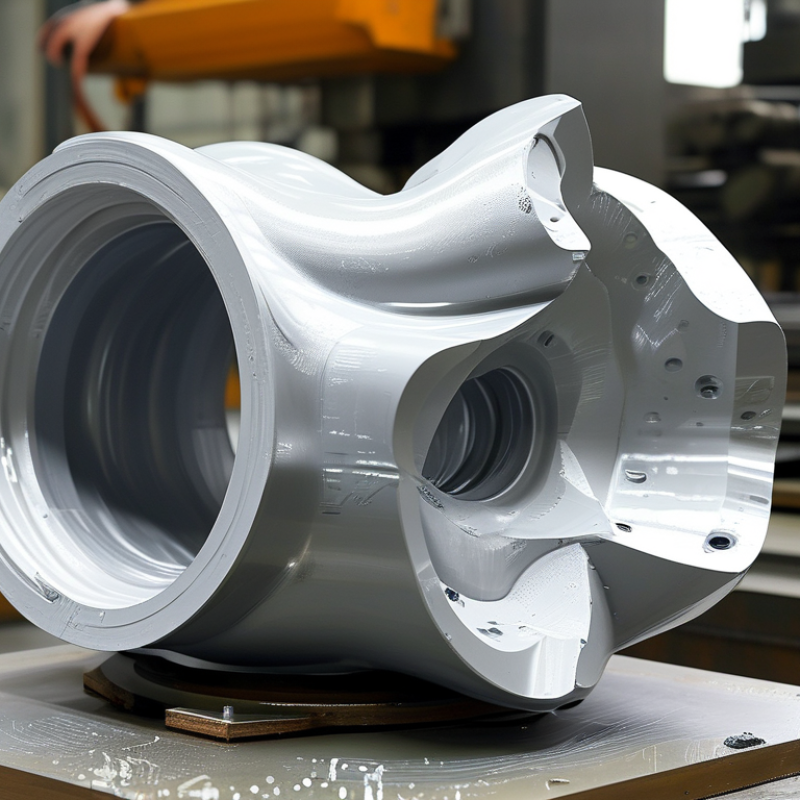
Rotational molding is a manufacturing process that offers flexibility and efficiency. In this technique, a mold is filled with powdered plastic, which is then heated and rotated along two perpendicular axes. This rotation ensures even coverage of the material, allowing it to form a consistent layer inside the mold. The result is a strong, seamless product that can be used in various industries.
Data shows that the global rotational molding market is expected to grow at a CAGR of 4.5% from 2021 to 2028. This indicates a rising demand for custom-designed, durable products. Compared to traditional methods, rotational molding minimizes material waste. This is due to its ability to recycle excess powder easily. However, it can take longer to produce items compared to injection molding, which may affect production schedules.
Moreover, the precision of mold design directly impacts the quality of the final product. High-quality molds can lead to superior surface finishes. Still, creating such molds requires skilled artisans and advanced technology, which some manufacturers may lack. This gap may hinder businesses from fully benefiting from rotational molding’s advantages.
Cost Efficiency: How Rotational Molding Reduces Production Expenses
Rotational molding is revolutionizing production for many industries. This method offers significant cost efficiency. One key advantage is the reduction of material waste. Unlike traditional methods, rotational molding uses less plastic. This not only lowers costs but also helps the environment.
Labor costs are another area where rotational molding shines. Once the machinery is set up, it can run with minimal supervision. This leads to less manual intervention. It can also produce complex shapes in a single operation. This efficiency translates into shorter lead times and improved output.
However, not every project is suited for rotational molding. Initial mold costs can be high, posing a risk for smaller businesses. Companies must carefully assess their project needs before fully committing. This reflection is vital for ensuring a smart investment. Balancing potential savings with initial costs is key in evaluating this molding technique.
Versatility in Design: Customization Opportunities with Rotational Molding
Rotational molding stands out for its versatility and customization options. This manufacturing process allows for the creation of complex shapes and large parts using minimal tooling. According to a report from the Society of Plastics Engineers, rotational molding can reduce costs by 30% compared to traditional methods when producing low to medium volumes.
One appealing aspect is the ability to customize designs freely. Businesses can easily adjust dimensions, colors, and textures. This flexibility meets specific customer needs. For example, items can vary in thickness, enhancing durability. Research indicates that around 85% of businesses report improved customer satisfaction when they offer customized products. Customization helps create a unique brand identity, essential in today's competitive market.
Tip: Use 3D design software to visualize your ideas. This can streamline the process and reduce conceptual errors.
However, it's essential to note the limitations. The initial setup costs can be high. Sometimes, designers may struggle with balancing complexity and cost. This aspect requires careful planning.
Tip: Collect feedback from users on prototypes. Iterative testing can highlight areas for improvement, making the final product more user-friendly.
Understanding these facets can lead to effective product development. Embracing rotational molding for custom solutions can drive business growth significantly.
Durability and Quality: The Long-Lasting Benefits of Rotational Molding
Rotational molding has gained attention for its unique ability to produce durable products. This process involves heating polymer powder in a mold, resulting in hollow items. One significant advantage is the uniform thickness of the molds. According to a report by the American Rotational Molders Association, approximately 85% of users notice enhanced durability compared to traditional molding techniques.
Durability is paramount for businesses that rely on high-quality products. Rotationally molded items resist impact, UV radiation, and chemicals, making them suitable for various applications. The lifespan of these products can reach up to 20 years under proper conditions. Additionally, 70% of manufacturers report reduced failure rates with rotationally molded parts compared to others in the market.
However, some challenges exist in this manufacturing process. The initial setup for molds can be costly and time-consuming. Operators must ensure precise temperature control to avoid inconsistencies. Furthermore, maintaining mold cleanliness is essential to avoid defects in the final product. Despite these potential issues, the long-lasting benefits of durability in rotational molding often outweigh the drawbacks for many businesses.
Environmental Impact: Sustainability in Rotational Molding Practices
Rotational molding is gaining traction within sustainable manufacturing. This process uses minimal resources, which boosts its environmental friendliness. According to a 2021 report by the Eco-Assessment Institute, rotational molding can reduce material waste by up to 30%. This is largely due to its ability to efficiently use plastic resins. The method ensures that excess materials are largely minimized, resulting in a lower carbon footprint.
Another aspect of sustainability in rotational molding is the potential for recycling. The industry has seen innovations in the use of recycled plastics. Many companies now utilize up to 50% recycled materials in their molding processes. In doing so, they significantly cut down on the need for virgin materials. Such practices not only lower energy consumption but also encourage more responsible waste management. However, the transition to fully sustainable practices remains a challenge, requiring ongoing efforts and research.
Additionally, the longevity of products made through rotational molding contributes to sustainability. These items typically resist wear and degradation better than those produced by other methods. Interestingly, studies show that rotationally molded products last longer, reducing the need for replacements. Nevertheless, achieving full circularity in production cycles remains a goal yet to be fully realized, pushing the industry to continually seek improvements.