
Why Choose an Arm Exercise Machine for Your Gym?
Which Muscles Can an Arm Exercise Machine Train?
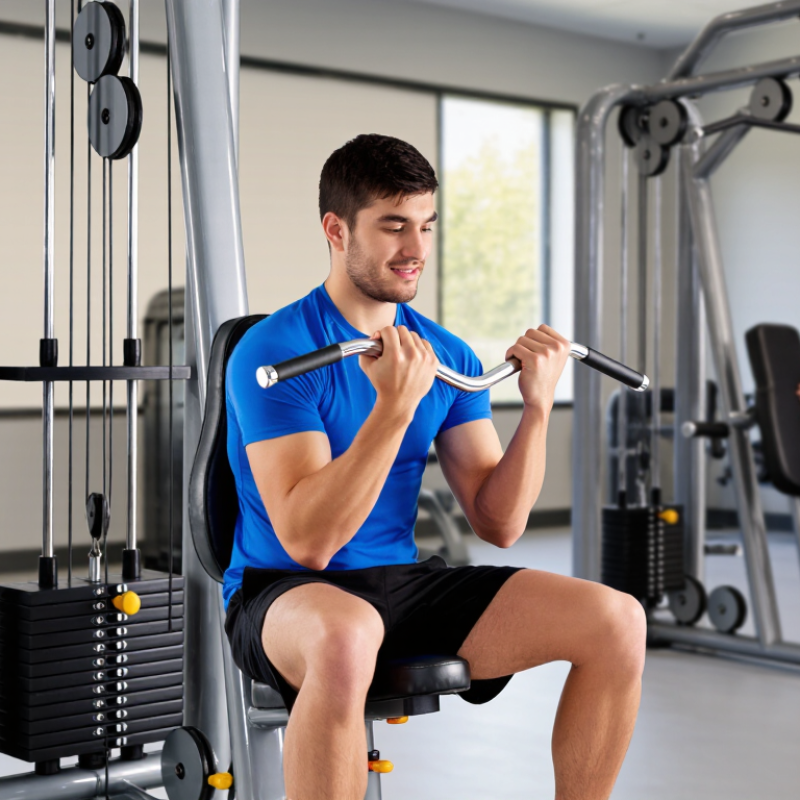
An arm exercise machine can target more than the visible biceps. Curl stations train the biceps brachii, brachialis, and forearm flexors. These muscles bend the elbow and control the handle during each repetition. Press-down and extension machines emphasize the triceps, especially the lateral, medial, and long heads. The long head also crosses the shoulder joint, so shoulder position changes its workload.
Some machines involve the anterior deltoid and chest slightly. This happens during seated presses or assisted dip movements. Grip width matters, too. A neutral grip often increases brachialis and forearm participation, while a supinated grip favors the biceps. It is a small adjustment, but users can feel the difference near the elbow crease. Machines also reduce balance demands, helping beginners focus on movement quality.
The World Health Organization recommends muscle-strengthening activities for major muscle groups on at least two days weekly. ACSM guidance commonly supports two or three resistance sessions, using roughly 8–12 repetitions for many healthy adults. Those figures are useful, not universal rules. A 2024 industry survey from ACSM also kept strength development among major fitness programming priorities. Still, the machine is not magic. Poor seat height can shift stress toward the shoulder. Excessive weight can turn a controlled curl into a painful swing. Trainers should check joint alignment, breathing, range of motion, and recovery. More testing is needed for special populations, because comfortable movement does not always mean safe loading.