Why Choose a Hydraulic Piling Rig for Your Project?
A piling project is shaped by more than the ground beneath it. Site access, pile type, working space, and the required installation depth all affect equipment choice. A Hydraulic Piling Rig can provide controlled force and steady pile positioning, helping crews work with greater precision on suitable sites. That control matters when a rig must operate near existing structures or within a confined work area. Small adjustments can make a difference.
Hydraulic systems also allow operators to manage movement through responsive controls. On site, this can support consistent installation and reduce abrupt handling. The real benefit depends on correct setup, trained operators, and equipment matched to the ground conditions. No rig suits every project. Dense layers, unexpected obstructions, or limited headroom may change the plan, and sometimes they do. That deserves honest attention before work begins.
When comparing rigs, review their operating range, mast height, clamping options, transport needs, and maintenance requirements. Ask how the machine handles the pile dimensions and access conditions your project actually presents. Manufacturer specifications are a starting point, not a substitute for site assessment. A careful evaluation can reveal whether a Hydraulic Piling Rig offers a practical balance of control, productivity, and safety for the work ahead. The best choice is not always the largest or newest machine. It is the one that performs reliably under your project’s real constraints.
What Is a Hydraulic Piling Rig?
Why Choose a Hydraulic Piling Rig for Your Project?
What Is a Hydraulic Piling Rig?
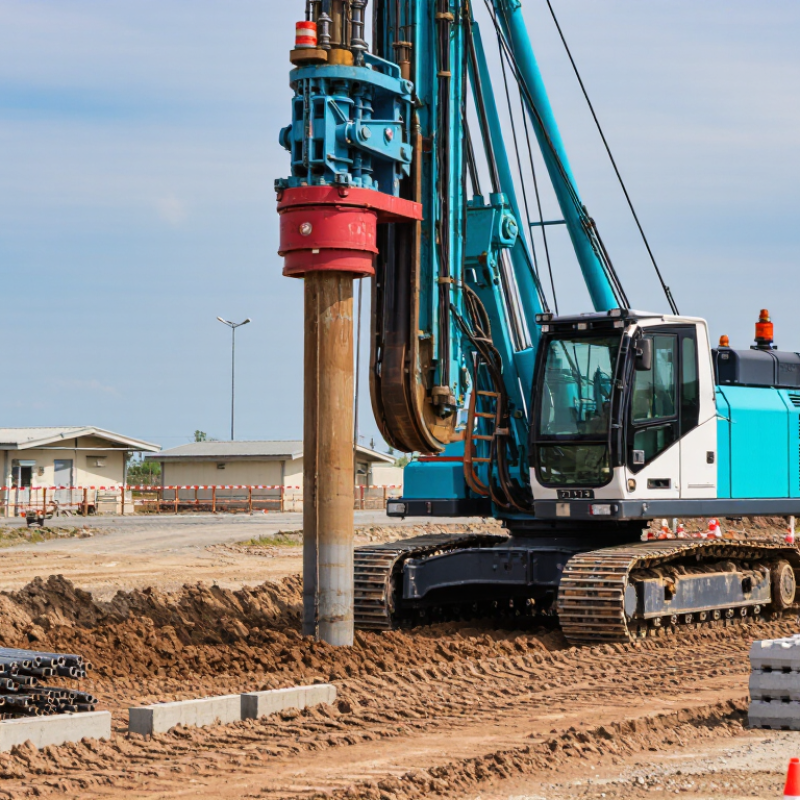
A hydraulic piling rig is a machine that uses pressurized fluid to power pile installation equipment. Depending on its configuration, it may drive piles with a hammer, rotate a drilling tool, vibrate a pile into place, or press piles into the ground. Its mast guides the working tool, while hydraulic controls manage movement and force. The exact setup matters. A rig designed for rotary drilling may not suit static pressing.
On a compact site, a rig’s reach, working clearance, and ground pressure can affect access as much as its rated force. Soil layers, groundwater, pile material, and nearby structures also influence the method. A site investigation helps match the rig and attachment to actual conditions. No machine removes uncertainty; ground conditions can change over a short distance.
Tips: Check pile specifications, access routes, and overhead clearance before mobilizing. Confirm that the rig’s working capacity suits the planned pile and soil conditions. Keep an eye on hydraulic hoses and connections during routine inspections. Small leaks are easy to overlook.
A hydraulic system can offer controlled movement and precise adjustments, which are useful when alignment matters. Still, “more powerful” does not automatically mean “better.” An oversized rig may be harder to position and may increase ground loading. Choosing well means comparing the installation method, site constraints, and operator requirements—not just the machine’s headline capacity.
How Does a Hydraulic Piling Rig Work?
Why Choose a Hydraulic Piling Rig for Your Project?
How Does a Hydraulic Piling Rig Work?
A hydraulic piling rig uses pressurized fluid to move its working parts. An engine powers a pump, which sends oil through hoses to hydraulic cylinders and motors. These components raise or tilt the mast, position the pile, and operate the driving equipment. The operator aligns the pile with the rig’s leader, checks its vertical position, then applies controlled force. Depending on the setup, a hydraulic hammer delivers repeated blows, or a pressing system pushes the pile into the ground. The cycle repeats. Hoses, fittings, and fluid levels need regular checks; a small leak can reduce performance and create a safety concern.
Ground conditions shape how the rig should be operated. Dense gravel, soft clay, and buried obstructions each affect penetration differently. Operators monitor pile movement, equipment response, and alignment rather than relying on force alone. Soil matters. A rig that advances smoothly in one location may struggle a few metres away. That assumption can be wrong. Pre-work ground information helps with planning, but actual site conditions still need attention as piling progresses. Careful setup, steady operation, and clear communication between the operator and ground crew help keep the process controlled.
What Benefits Does Hydraulic Piling Offer?
A hydraulic piling rig turns engine power into controlled force, helping crews drive or press piles with steady, adjustable pressure. Operators can tune settings to suit pile type, soil resistance, and nearby structures. That control matters on confined sites, where a few centimeters can affect alignment. Press-in methods may also reduce vibration and help protect sensitive buildings. But results depend on the rig, pile system, and ground conditions.
Hydraulic systems deliver strong force in a compact package, so one rig may handle varied pile sizes and site layouts. Adjustable pressure can support efficient work as soil layers change. Some rigs use clamps, leaders, or monitoring displays to keep piles straight and record installation details.
Less rework. Planning still matters: heavy equipment needs access, stable ground, and room for setup. Hydraulic components also need regular hose, filter, and fluid checks; neglect can cause downtime.
Fit matters. A careful site review helps determine whether the added control justifies transport and maintenance costs. The technology is capable, not magical.
Which Projects Suit Hydraulic Piling Rigs?
Hydraulic piling rigs suit bridge abutments, industrial buildings, retaining walls, and renewable energy sites where foundations must reach dense or variable soils. Their controlled force and adjustable operating settings can help crews install driven piles in confined work zones. But they are not automatically the best choice. Hard rock, buried obstructions, strict vibration limits, or fragile neighboring structures may call for predrilling, another foundation method, or additional testing.
Tips: Compare the rig’s mast clearance, reach, and hammer energy with the pile schedule before mobilizing. Check access for the carrier and delivery trucks. A test pile can reveal refusal depth and unexpected noise early. It takes time, but surprises can cost more.
Industry demand also matters. The Global Wind Energy Council’s Global Wind Report 2024 records 117 GW of new wind capacity installed worldwide in 2023, up 50% from 2022. This growth makes hydraulic piling relevant to some land-based wind foundations, especially where repeatable installation matters. FHWA’s 2016 Design and Construction of Driven Pile Foundations covers driven piles for bridges and other structures. Treat that guidance as a starting point, not a site-specific design. Soil records can be incomplete; even experienced teams sometimes revise the pile plan after the first test installation.
What Factors Should Guide Rig Selection?
Choosing a hydraulic piling rig starts with the ground, not the machine catalogue. Review the soil report, groundwater level, and any nearby structures before comparing capacity. Clay, loose fill, and dense gravel can demand very different installation forces. Ground conditions matter.
Match the rig to the pile material, dimensions, and required depth. Check its rated pressing force, clamping range, and working height against the project design. Then assess access: narrow gates, overhead cables, soft ground, or limited headroom can rule out an otherwise suitable setup. Access can decide it. Also confirm how the rig will be transported and positioned, and whether its support system fits the site.
Noise and vibration limits may favour a hydraulic press-in method, but actual performance depends on soil and pile design. Ask for project-specific calculations and installation records, not just a headline capacity. Consider crew experience, maintenance access, and the availability of hydraulic hoses and spare parts. A neat spreadsheet can still miss awkward setup time. I would leave room for it. Recheck assumptions with the geotechnical and structural teams before ordering; small errors in pile length or site clearance can become costly delays.