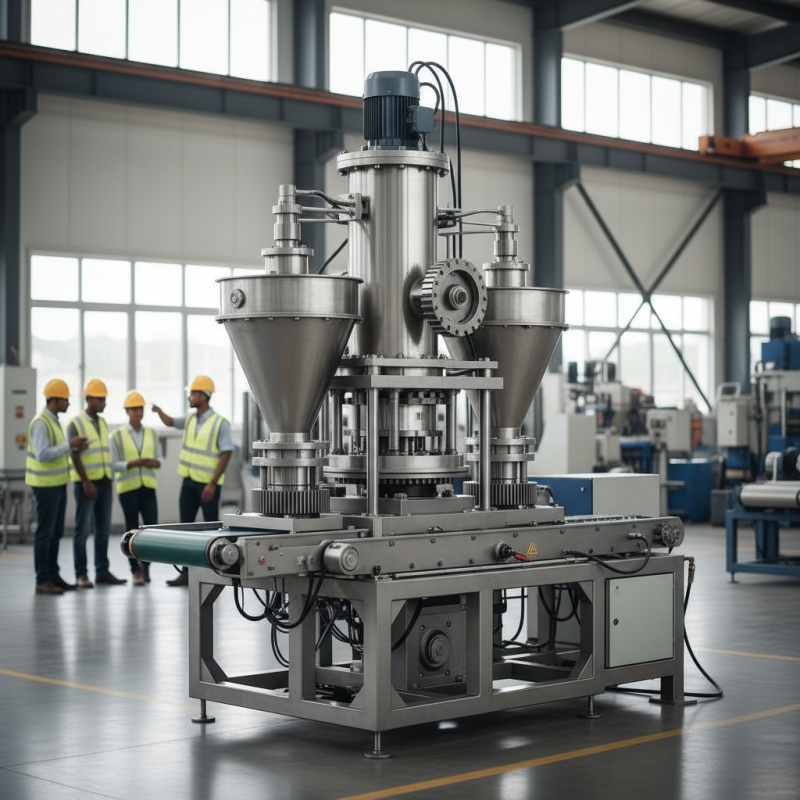
Vertical Expander Machine Tips for Global Buyers Interested?
Vertical Expander Machines are essential tools in various industries. They play a crucial role in expanding materials and improving production efficiency. For global buyers, understanding these machines is vital for making informed decisions.
The market for Vertical Expander Machines is diverse. Buyers must consider several factors, such as quality, durability, and service support. It's not just about purchase price; long-term value is key. The right machine can enhance productivity and lead to significant cost savings.
However, selecting a Vertical Expander Machine is not always straightforward. Many options exist, and each has unique features. Buyers might overlook critical aspects, resulting in poor choices. Research and expert advice can help navigate these complexities. Investing time to understand the market can yield better outcomes for buyers worldwide.
Understanding Vertical Expander Machines: A Comprehensive Overview
Vertical expander machines play a crucial role in various industries. They are essential for processes that require expanding materials. Understanding how these machines function can enhance operational efficiency. Typically, they consist of a series of rollers and blades that increase the diameter of a product. This results in a uniform expansion, which is critical for ensuring quality.
Buyers should consider the machine's features. Different designs offer varying capabilities, which may suit different needs. The materials used in construction impact durability and performance. High-quality machines often yield better results over time. However, complexity can lead to challenges. Maintenance might be overlooked, affecting long-term reliability.
While many seek the best option, budget constraints can complicate decisions. A higher price does not always equal better performance. Buyers must weigh the cost against functionality. Researching user reviews and specifications can provide valuable insights. Reflection is vital—what works for one may not work for another. The perfect choice often involves trial and error.
Key Features and Functions of Vertical Expander Machines
Vertical expander machines are increasingly popular among global buyers. These machines are essential for various industries, especially in textiles and manufacturing. They help in creating expanded materials that improve product qualities. Understanding their key features is crucial for making informed buying decisions.
One major function is the ability to handle diverse materials. This versatility allows manufacturers to cater to different market needs. Buyers should seek machines that offer customizable settings. A machine that can adjust tension and speed adds value. Users often overlook maintenance, which is critical for long-term performance. Regular checks can prevent costly downtime.
When considering a purchase, keep the machine's energy efficiency in mind. Lower energy consumption can lead to significant cost savings. Seek user reviews to gauge the reliability of different models. Many buyers find it helpful to visit factories demonstrating these machines. Learning from real-world applications enhances understanding and aids decision-making. However, not all demonstrations show machines at their best. Buyers should be cautious and assess multiple options.
Factors to Consider When Purchasing Vertical Expander Machines
When considering the purchase of vertical expander machines, there are critical factors to evaluate. The machine's capacity is paramount. According to a recent industry report, machines with a higher throughput significantly enhance operational efficiency. A vertical expander's ability to handle diverse materials can also affect production outcomes. Understanding the specific requirements of your operations will guide choices.
Another aspect is the technology used in these machines. Advanced models incorporate automated features. These improve precision and reduce human error. A survey by Manufacturing Technology Insights highlights that automation can increase productivity by up to 30%. Owners should carefully assess the technical support available. Maintenance and service intervals vary by manufacturer. Effective post-purchase support is crucial for long-term success.
Price plays a vital role too. Buyers must balance initial cost against potential savings in operational expenses. While cheaper options may seem appealing, they often lack durability. A thorough cost-benefit analysis should factor in longevity and reliability. Investing in a quality machine can lead to lower overall costs. Identify your needs clearly. This reflection can prevent costly regrets in the future.
Vertical Expander Machine Factors to Consider
This chart illustrates five key factors that global buyers should consider when purchasing vertical expander machines, including price, energy efficiency, maintenance cost, production capacity, and warranty duration.
Top Manufacturers and Brands in the Vertical Expander Machine Market
The vertical expander machine market is witnessing significant growth, driven by the increasing demand across various industries. Recent reports indicate that the global vertical expander machine market is projected to grow at a CAGR of approximately 5% over the next five years. This trend highlights the need for global buyers to understand the key players dominating this space.
Top manufacturers are focusing on innovation and enhancing machine capabilities. Features such as energy efficiency and automation are becoming crucial. Many brands have invested heavily in research, seeking to improve performance and minimize downtime. Yet, despite these advancements, some manufacturers struggle with consistency in quality and service, which can be a concern for buyers. The variability in production standards often leads to questions about reliability, as not all machines fulfill the promised specifications.
The competitive landscape is diverse, with several players vying for market share. Industry reports emphasize the importance of evaluating a supplier's track record and customer feedback. Buyers should consider exploring supplier networks and conducting thorough due diligence. Understanding the value proposition offered by different brands is essential for making informed purchasing decisions.
Tips for Maintaining and Optimizing Vertical Expander Machines
Maintaining and optimizing vertical expander machines is crucial for efficiency. These machines often operate in demanding environments, reflecting the complexities of modern manufacturing. According to a recent industry report, effective maintenance can increase operational efficiency by up to 20%. Proper attention to these machines can minimize downtime and improve production consistency.
Regular inspections are key. Check for wear and tear on components frequently. Lubrication is essential to reduce friction and prolong machine lifespan. A study found that regular lubrication could reduce mechanical failures by as much as 30%. It’s vital to establish a consistent maintenance schedule.
Training your staff is equally important. Knowledgeable operators are less likely to make errors. Focus on best practices and ensure everyone understands the machine's functionalities. Studies indicate that well-trained staff can boost production rates significantly. Always gather feedback from the team to refine processes. This approach helps adapt to any operational issues that arise, leading to continuous improvement.
Vertical Expander Machine Tips for Global Buyers Interested? - Tips for Maintaining and Optimizing Vertical Expander Machines
| Tip Category | Tip Description | Frequency of Maintenance | Expected Lifespan Improvement (%) |
| Lubrication | Regularly check and apply appropriate lubricants to moving parts to reduce friction. | Monthly | 10-15% |
| Cleaning | Clean machine surfaces and components to prevent dust buildup and ensure optimal operation. | Weekly | 5-10% |
| Calibration | Ensure the machine is calibrated correctly for accurate performance and product quality. | Quarterly | 15-20% |
| Part Inspection | Inspect critical components for wear and tear to prevent unexpected breakdowns. | Every Six Months | 20-25% |
| Training | Provide regular training for operators to ensure they understand proper machine usage and safety. | Annually | 10-20% |