Top 10 Uses of Plastic Tubes in Everyday Life?
In the modern world, plastic tubes are more prevalent than one might think. These versatile items find their way into countless applications, shaping various industries. According to a report by Grand View Research, the global plastic tubes market is projected to reach USD 1.5 billion by 2025, driven by their widespread utility. Industry expert Dr. Jane Smith remarks, "Plastic tubes enhance both functionality and convenience in daily products."
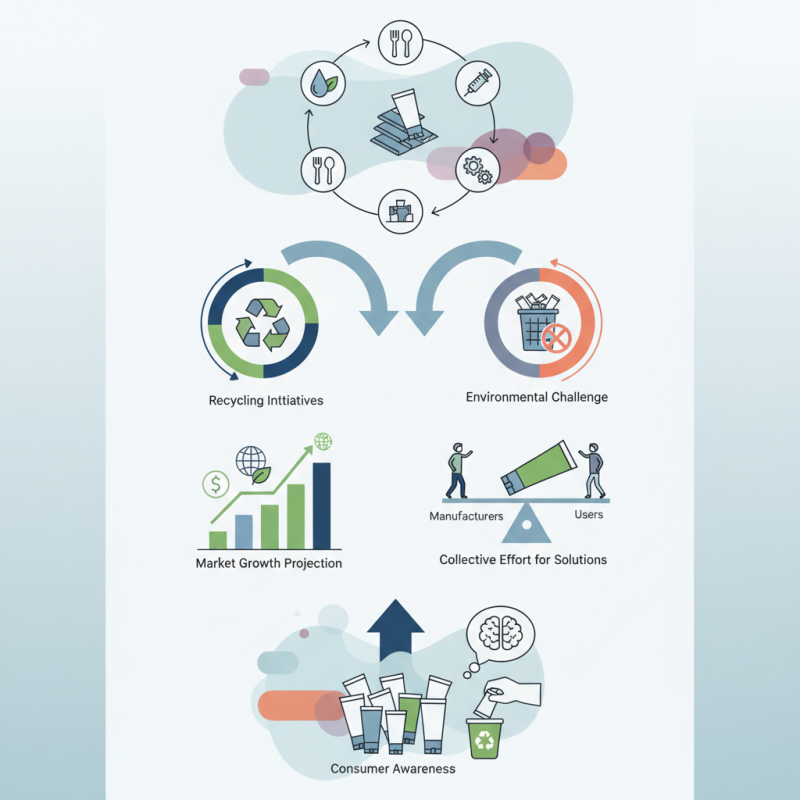
Consider packaging, where plastic tubes are essential for dispensing items ranging from cosmetics to food. In medical settings, they ensure efficient delivery of vital substances. Interestingly, recycling initiatives are beginning to address the environmental impact of plastic tubes. Yet, this remains a challenge that calls for more rigorous solutions.
Despite their benefits, reliance on plastic tubes poses concerns. The ease of use often leads to neglect in recycling practices. Consumers need to be aware of the implications of their choices. Tackling these issues requires collective effort from manufacturers and users alike, as plastic tubes stay integral to our daily lives.
The Versatile Role of Plastic Tubes in Packaging Industries
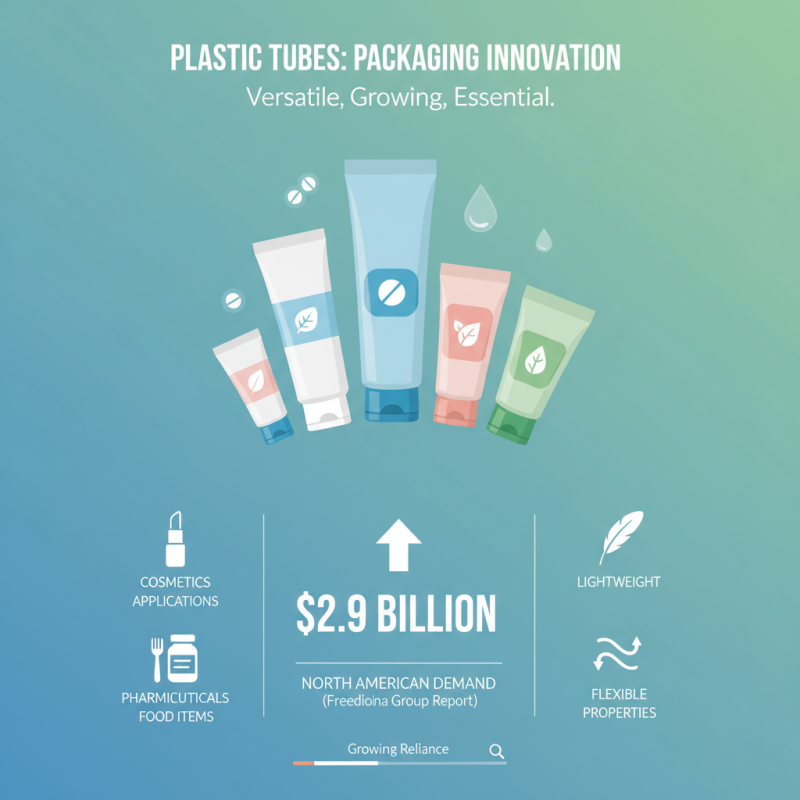
Plastic tubes play a pivotal role in the packaging industry, showcasing their versatility in various applications. These tubes are commonly used for products like cosmetics, pharmaceuticals, and food items. According to a recent report by the Freedonia Group, the demand for plastic tubes in North America is projected to reach $2.9 billion by 2025. This growth illustrates the increasing reliance on this material, with many companies opting for plastic due to its lightweight and flexible properties.
One fascinating aspect of plastic tubes is their design. Many have a unique flip-top or squeeze feature, making them user-friendly. This usability attracts brands seeking to enhance the consumer experience. Nevertheless, the environmental impact of plastic tubes raises concerns. Research indicates that nearly 30% of plastic packaging ends up in landfills. Brands must tackle this issue, focusing on recycling and sustainable materials. Such efforts are vital for mitigating the negative implications of plastic waste.
In addition to consumer-oriented products, plastic tubes are essential in medical packaging. They ensure the safe transport of medications and contribute to overall hygiene. The global market for pharmaceutical packaging is expected to grow significantly, driven by innovations in tube design. Still, as manufacturers advance, they must address the balance between functionality and sustainability. Each innovation should ideally reflect a commitment to reducing environmental footprints without compromising quality.
Innovations in Medical Applications of Plastic Tubes and Their Impact
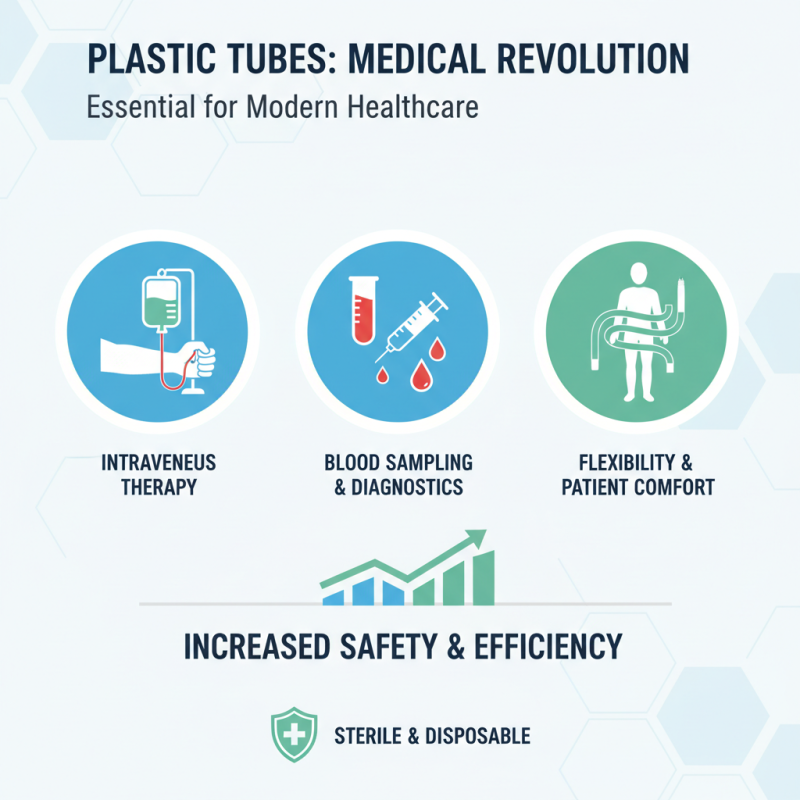
Plastic tubes have revolutionized the medical field. They are now essential for various applications. From intravenous therapy to blood sampling, these tubes provide safety and efficiency. Their flexibility allows for easier maneuvering, improving patient comfort during procedures.
Innovations in this sector include antimicrobial coatings. Such enhancements reduce the risk of infections. Despite these advances, challenges remain. For instance, some medical professionals still struggle with tube compatibility issues. Ensuring all devices work together seamlessly is crucial.
Tips: Always check for the latest medical protocols. Keeping updated helps avoid potential problems. Consider the patient’s comfort when using these tubes. Remember that not every solution will fit all situations. Customization is often needed.
Innovations are exciting but need careful consideration. The impact of plastic tubes on patient care is significant. However, ongoing research is essential. There’s always room for improvement in design and application.
Plastic Tubes in Construction: Strength, Insulation, and Longevity
Plastic tubes play a vital role in construction. Their strength and durability make them a popular choice. According to a recent industry report, plastic pipes can endure pressures of up to 200 psi. This high performance reduces the risk of leaks in structures, which is crucial for building integrity.
Insulation is another significant benefit. Plastic tubes can provide excellent thermal insulation. Studies indicate that properly insulated plastic tubes can reduce energy loss by nearly 30%. This efficiency translates to lower energy bills for buildings. It's not just about performance; aesthetics matter too. The versatility in color and design allows for seamless integration into various architectural styles.
However, issues remain that need addressing. Improper disposal of plastic can lead to environmental concerns. The construction industry must prioritize sustainable practices. There’s ongoing research to enhance the recyclability of plastic tubes. Adopted measures can lead to improvements, but more work is required. Balancing performance and environmental impact is essential for the future of construction.
Top 10 Uses of Plastic Tubes in Everyday Life
| Use Case |
Material |
Strength |
Insulation |
Longevity |
| Water Supply Pipes |
PVC |
High |
Good |
Decades |
| Electrical Conduits |
PVC |
Moderate |
Excellent |
Long-lasting |
| Insulation Tubes |
Polypropylene |
Low |
Excellent |
Very long |
| HVAC Ducts |
Polyethylene |
Moderate |
Good |
Long-lived |
| Plumbing Systems |
CPVC |
High |
Good |
Decades |
| Gas Supply |
PE |
High |
Fair |
Long-lasting |
| Fencing and Railings |
Vinyl |
High |
N/A |
Extremely durable |
| Cable Management |
PVC |
Moderate |
Good |
Long-term |
| Storage and Organization |
Polypropylene |
Low |
N/A |
Long-lasting |
Consumer Goods: How Plastic Tubes Enhance Product Functionality
Plastic tubes play a vital role in consumer goods, enhancing product functionality in various ways. According to a market research report by Smithers Pira, the global plastic tubes market is set to reach approximately $1.5 billion by 2026. This growth indicates a rising demand for efficient packaging solutions across sectors.
In personal care, plastic tubes improve user experiences. They allow precise dispensing of products like lotions and creams. Their lightweight nature makes transportation easier. However, many tubes are single-use, contributing to plastic waste. This inconsistency needs addressing. More sustainable materials could alleviate environmental impacts.
Food packaging also benefits from plastic tubes. They provide moisture barriers and help in preserving freshness. For example, squeezable toothpaste tubes minimize mess and maximize convenience. Yet, some consumers express concerns over food safety. Not all plastics are created equal. The need for transparency in materials used is essential for building trust.
Environmental Considerations: Recycling and Sustainability of Plastic Tubes
Plastic tubes are common in daily life. They can be found in packaging, medical supplies, and even in household items. However, their environmental impact is significant. Plastic pollution is a growing concern. Many people overlook how often they use plastic tubes, which often end up in landfills.
Recycling is crucial for plastic materials. Some types of plastic tubes can be recycled. Unfortunately, not all facilities accept them. This creates challenges for proper disposal and recycling. Awareness about recycling is often lacking. Many consumers do not know how to recycle these items. This leads to a bigger problem of waste management.
On the sustainability front, alternatives to plastic tubes are emerging. Biodegradable materials are now available. These new options reduce pollution and support eco-friendly practices. However, they can be more expensive. People need to weigh the cost against environmental benefits. Understanding the balance between convenience and sustainability is essential. We must push for better recycling systems and improved public education on this issue.