2026 Top Trends in Plastic Dip Molding You Need to Know?
Plastic dip molding is gaining traction in various industries. It serves as a versatile technique for creating durable components. As per a 2022 market report, the plastic dip molding market is projected to reach $1.2 billion by 2026, reflecting a compound annual growth rate (CAGR) of 5.4%. This growth highlights the increasing demand for custom parts across sectors like automotive and consumer goods.
The advantages of plastic dip molding are noteworthy. This method allows for seamless transitions between materials. It also enables the production of intricate designs that are both functional and aesthetically pleasing. Companies are continuously experimenting with new polymers and techniques to improve efficiency and reduce costs, with a noticeable shift toward sustainable materials. However, challenges remain in balancing cost and quality in production processes.
As we explore the top trends in plastic dip molding for 2026, it's crucial to consider these industry dynamics. The trends push for innovation, yet they remind us of the need for continuous improvement. Companies must address quality control issues and focus on customer feedback to stay relevant. This is crucial in an evolving market where consumer expectations are ever-increasing.

Emerging Technologies in Plastic Dip Molding for 2026
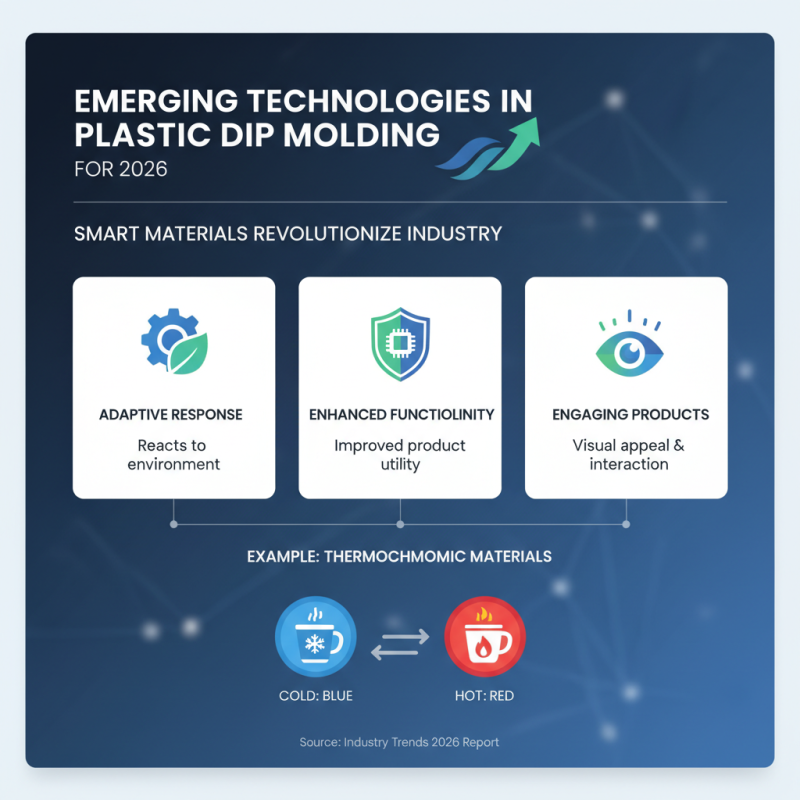
Emerging technologies in plastic dip molding for 2026 are transforming the industry. One notable trend is the integration of smart materials. These materials react adaptively to environmental changes, enhancing product functionality. For example, thermochromic materials can change color based on temperature. This feature adds a visual element, making products not only functional but also engaging.
Another significant advancement is automation in the molding process. Robotic systems are improving accuracy and efficiency. They help reduce human error and production costs. Additionally, automation allows for consistent quality, which is vital for competitive manufacturing. Embracing these technologies can position companies as industry leaders.
**Tips:** Always assess your production needs before adopting new technology. Consider the initial investment against potential long-term benefits. Stay informed about market trends to adapt quickly. Also, collaborate with experts to evaluate new materials. Engage with engineers to ensure that all innovations align with your production goals. It's essential to remain open-minded and ready to iterate on your processes.
Innovations in Material Selection for Enhanced Durability
In recent years, plastic dip molding has gained traction due to its versatility and cost-effectiveness. The materials selected for production not only impact the aesthetic quality but also the durability of the final product. Enhanced durability is becoming a focal point, as manufacturers seek longer-lasting solutions to meet evolving consumer needs.
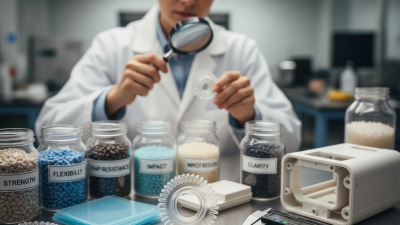
Recent industry data indicates that the incorporation of advanced polymers can significantly improve durability. For example, materials such as thermoplastic elastomers (TPE) have gained popularity. These materials resist extreme conditions, offering greater flexibility and strength. The report from the Global Plastics Alliance stated that the use of TPE can enhance product lifespan by up to 30%. This statistic underscores the need for robust material selection.
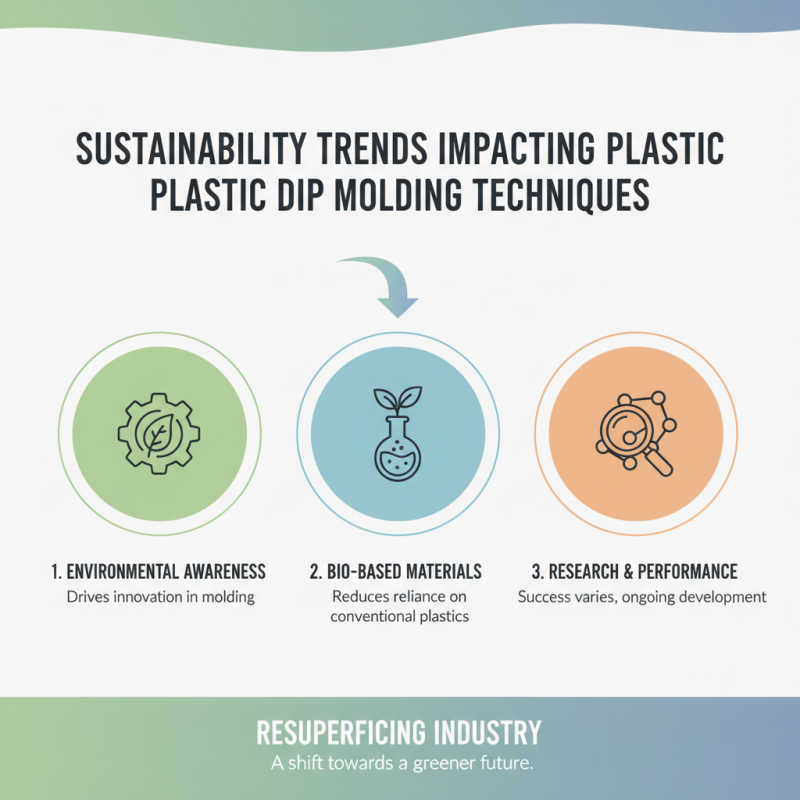
Furthermore, integrating sustainable practices into material selection is crucial. A 2022 study revealed that 65% of consumers prefer products made from eco-friendly materials. This demand drives innovation, pushing manufacturers to explore alternatives like bio-based plastics. However, it presents challenges. Balancing sustainability with performance is complex. Companies must continuously evaluate their choices to find the right mix of durability and eco-friendliness.
Market Predictions: Growth Opportunities in Plastic Dip Molding
The plastic dip molding industry is witnessing significant growth. According to a recent market report, the sector is expected to expand at a CAGR of 8.5% from 2026 to 2030. This growth is driven by the increasing demand for custom, durable, and lightweight products across various sectors, including automotive and consumer goods.
Many manufacturers are investing in advanced technologies to enhance production efficiency. Innovations like automated dip molding systems are becoming more common. These technologies reduce lead times and improve precision, which are essential factors for companies seeking competitive advantages. Additionally, the environmental impact of plastic dip molding is under scrutiny. Companies are looking for sustainable materials and processes, a trend that aligns with global sustainability goals. However, transitioning to eco-friendly solutions can be challenging due to higher initial costs.
Despite the positive forecasts, the industry faces hurdles. Supply chain disruptions have affected material availability. Fluctuating raw material prices further complicate production planning. Companies need to adapt quickly to these market dynamics. A proactive approach towards risk management and investment in R&D can help navigate these challenges. Crafting a flexible business model will be crucial for success in an ever-evolving market landscape.
Consumer Demands Driving Changes in Molding Applications and Design
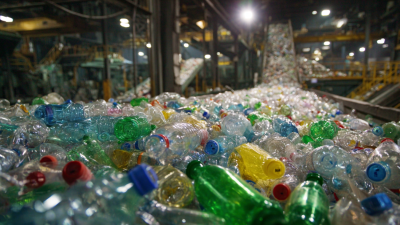
The landscape of plastic dip molding is evolving rapidly. Consumer demands are reshaping applications and designs. Sustainability is at the forefront of these changes. Many customers now seek eco-friendly products. They prefer materials that are recyclable and less harmful to the environment. This shift is driving manufacturers to explore new polymers. These materials are not only lightweight but also durable.
As demand grows, flexibility in design becomes crucial. Customization options are expanding. Consumers want unique products that fit their specific needs. This requires manufacturers to adopt advanced molding techniques. Integrating technology can streamline production processes and minimize waste. Manufacturers must stay informed about these advancements.
*Tip: Regularly analyze market trends. Understand what consumers want and adapt quickly to those needs. Consider investing in research to explore new materials.*
Consumers are also searching for high-quality finishes. This demand influences the design of molding tools. Companies should focus on precision and attention to detail. Imperfections can lead to dissatisfaction.
*Tip: Involve consumer feedback in the design process. This helps identify potential flaws early on.*
2026 Top Trends in Plastic Dip Molding You Need to Know
| Trend |
Description |
Impact on Consumer Demands |
Future Outlook |
| Sustainability Focus |
Increased demand for eco-friendly materials and processes. |
Consumers prefer brands that emphasize sustainability. |
Growth in biodegradable options and recycled materials. |
| Customization |
Higher demand for personalized products catering to individual preferences. |
Consumers seek unique products that reflect their identity. |
Increased use of digital tools for on-demand customization. |
| Advanced Technology Integration |
Utilization of automation and AI in the molding process. |
Consumers expect precision and quality in products. |
More efficient production leading to lower costs and better quality. |
| Health & Safety Regulations |
Stricter regulations governing material safety and product testing. |
Increased consumer awareness of product safety. |
Ongoing adaptations to comply with health standards. |
| Rapid Prototyping |
Faster product development cycles with prototype testing. |
Consumers benefit from quicker access to innovative products. |
Increased market responsiveness and reduced time to market. |
| Multi-material Molding |
Combining different materials in a single product for enhanced features. |
Consumers seek products with improved functionality and aesthetics. |
Growth in applications for complex molded products. |