Top 5 Tips for Choosing Luer Lock Syringes at 2026 Canton Fair?
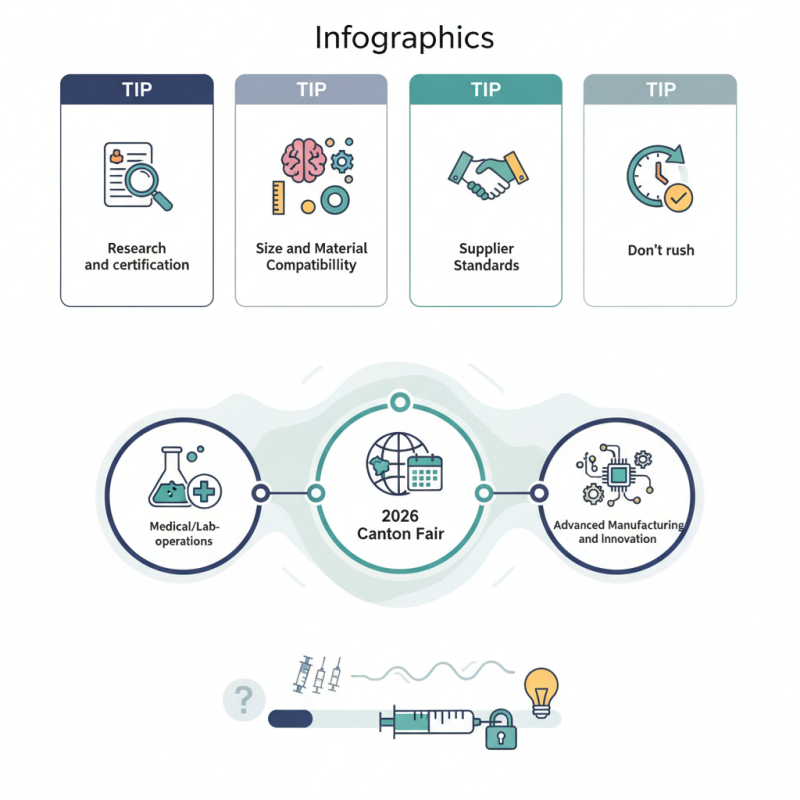
Choosing the right Luer Lock Syringe can greatly impact your medical or lab operations. At the upcoming 2026 Canton Fair, the selection will be extensive. With advanced manufacturing and innovative designs, you’ll find many options that meet diverse needs.
Navigating the fair could be overwhelming. Attendees should leverage the new AI features for guidance. These tools help in identifying suppliers with necessary certifications like ISO and CE. This efficient approach can save time and ensure quality.
When evaluating choices, consider syringe sizes, materials, and compatibility. Some suppliers may not meet your standards, leading to potential issues. A clear understanding of your requirements is essential. Don't rush the process; reflect on what works best for your specific applications.
Understanding Luer Lock Syringes and Their Features
Luer lock syringes are essential tools in the medical and laboratory fields. They provide a secure connection between the syringe and a needle or other attachment. This prevents leaks and allows for precise medication delivery. According to recent industry reports, the global medical syringes market is projected to grow significantly, reaching USD 13 billion by 2026.
When choosing the right luer lock syringes, consider the material. Most syringes are made from plastic or glass. Plastic syringes are disposable and offer convenience, while glass syringes are reusable and provide precision.
Tip: Check the size. Luer lock syringes come in various sizes, typically ranging from 1 mL to 60 mL. Select a size that meets your specific needs.
It's also important to look at the needle gauge. A higher gauge means a thinner needle. A thinner needle can reduce discomfort during injections. Yet, for thicker fluids, a larger gauge is essential. Many users overlook this detail.
Tip: Always inspect the syringe for defects before use. Ensure that the luer lock mechanism works smoothly. Faulty syringes can lead to critical errors. Ultimately, understanding these features is key to making informed choices at the 2026 Canton Fair.
Key Considerations When Selecting Luer Lock Syringes
Selecting the right Luer lock syringes at the 2026 Canton Fair involves careful consideration. Start by assessing the syringe size. Choose a size that fits your specific needs. A variety of volumes are available. Thinner syringes work well for precise dosing. However, larger sizes are better for bulk applications.
Check the material of the syringes. They come in either plastic or glass. Each has its advantages. Plastic syringes are lightweight and disposable. Glass syringes offer durability and are reusable. Evaluate your requirements before making a choice.
Also, consider the compatibility with your equipment. The Luer lock mechanism should match your devices precisely. This ensures a secure fit and prevents leaks. Look for syringes with easy-to-read markings. Clarity is key for accurate measurements.
Always remember to inspect the syringes before purchasing. Check for any defects or inconsistencies. Testing the functionality of a few samples can prevent future mishaps. At the fair, engage with suppliers and ask questions. This interaction helps clarify any doubts and can lead to better purchasing decisions.
Top 5 Considerations for Choosing Luer Lock Syringes
This chart illustrates the key considerations when selecting Luer lock syringes, evaluated based on their importance in the decision-making process.
Exploring Different Types of Luer Lock Syringes Available
When exploring Luer lock syringes at the 2026 Canton Fair, you’ll find a variety of options. These syringes play a vital role in medical and laboratory settings. They ensure safe and precise fluid transfer. Different types cater to unique needs.
Some Luer lock syringes are disposable, ideal for single-use scenarios. Others are designed for multiple uses, featuring sterilization capabilities. You may encounter various sizes, ranging from small volumes of 0.5 mL to larger ones of 60 mL or more. The choice depends on the specific application.
One must consider details when choosing a syringe. The material can affect compatibility with different substances. You may also reflect on the syringe's ease of use. Some designs may feel awkward in hand, impacting precision. It's important to test these syringes before making a decision. This exploration process can lead to better choices and improved outcomes in your work.
Top 5 Tips for Choosing Luer Lock Syringes at 2026 Canton Fair
| Tip | Description | Consideration |
| Check Compatibility | Ensure the syringe is compatible with the device or accessories you plan to use. | Verify specifications and consult vendor for compatibility. |
| Material Selection | Choose syringes made from high-quality, non-reactive materials. | Consider the material for patient safety and chemical compatibility. |
| Volume Capacity | Select the appropriate volume based on the application. | Avoid overfilling or underfilling for accurate dosage. |
| Needle Size | Consider needle gauge and length appropriate for the procedure. | Consult medical guidelines for best practices. |
| Sterilization Method | Ensure syringes are sterile and suitable for your application. | Check expiration dates and storage conditions. |
Evaluating Quality and Safety Standards for Syringe Selection
When choosing Luer lock syringes at the 2026 Canton Fair, assessing quality and safety standards is key. Syringes are critical in healthcare settings. According to a recent industry report, nearly 20% of syringe-related incidents are linked to subpar quality. This underscores the need for rigorous evaluation.
Look for syringes made from high-grade materials. Polypropylene is often recommended for its chemical resistance. A study highlighted that syringes with certified materials can reduce the risk of contamination by up to 30%. Micron filtering capacity is also important. Syringes with finer filters ensure safer injections and lower infection rates.
Quality assurance certifications are vital. Look for ISO 13485 compliance in manufacturers. Yet, not all suppliers display this information clearly. This can be a red flag. Engaging directly with suppliers at the fair enables buyers to ask about their quality control processes. Trust, yet verify. Always seek detailed product specifications to address potential concerns.
Tips for Negotiating and Purchasing at Trade Fairs
Negotiating and purchasing at trade fairs can be overwhelming, especially at large events like the Canton Fair. Attendees often feel lost among countless booths and products. It's essential to prepare ahead of time. Research potential suppliers before attending. Having a list helps narrow down choices. If you find a supplier you'd like to approach, setting clear goals for negotiation is crucial. Define your ideal pricing and terms beforehand.
During discussions, effective communication can make a difference. Be direct yet respectful. Ask questions about product specifics and negotiate prices. Don’t hesitate to express concerns about minimum order quantities. Sometimes suppliers will adjust. If the initial offer doesn’t meet your needs, counter-offer tactfully. Remember, it’s a negotiation, not a conflict.
Taking notes is beneficial throughout the event. Jot down important details during conversations. Record product specifications and any commitments made. This will aid in decision-making later. After meetings, reflect on your interactions. Did you achieve your objectives? Were there any missed opportunities? This reflection aids in refining your approach for future trade fairs.