
China is a major sourcing destination for botanical ingredients, but “Puerarin Powder” can describe products with very different origins and specifications. Puerarin is an isoflavone associated with Pueraria roots. Its quality depends on more than a supplier’s headline purity claim. Raw-material identification, extraction controls, assay methods, and batch consistency all matter.
Industry reports provide useful context, with an important limitation. Grand View Research’s coverage of the botanical extracts market tracks a broad category; it does not establish the quality or market share of individual Puerarin Powder manufacturers. That distinction matters. Buyers comparing Chinese suppliers should review current certificates of analysis, test methods, traceability records, and contaminant testing rather than relying on market estimates alone. A polished brochure is not a test result.
Authoritative reference points help frame that review. The Chinese Pharmacopoeia sets quality standards for medicinal materials, including Pueraria roots, while WHO guidance emphasizes quality assurance for herbal materials. These references do not automatically certify a particular factory or powder. Ask what each document covers, who issued it, and whether it matches the offered batch. Small details count. This guide introduces leading manufacturer candidates in China and the checks that can help distinguish documented capability from unsupported claims. Supplier information can change, so independent verification remains necessary.
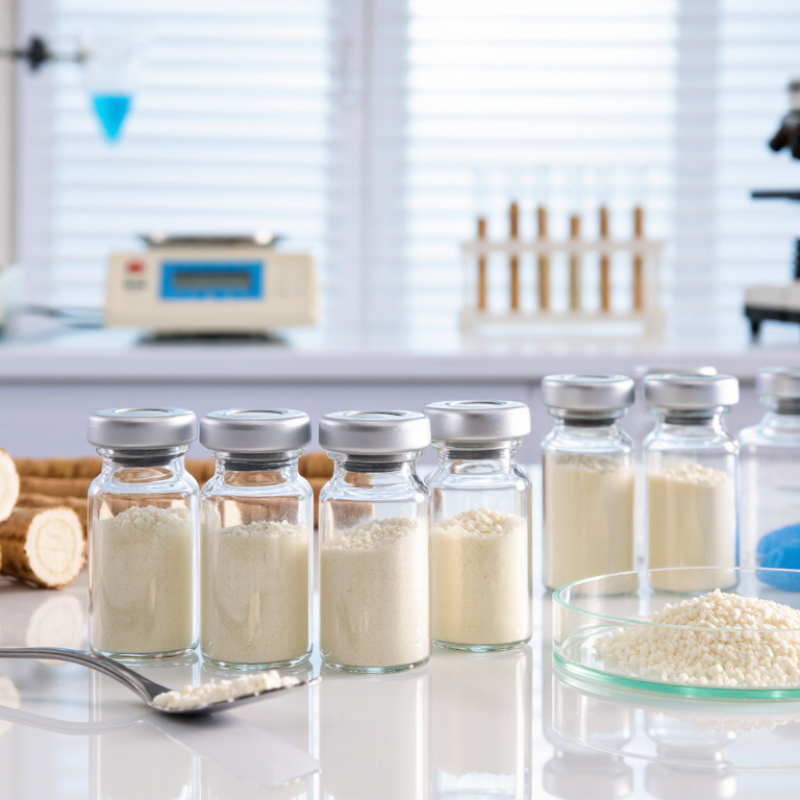
Puerarin powder is a plant-derived isoflavone ingredient made from kudzu root, usually identified as Pueraria lobata. It is not simply ground root. Manufacturers commonly authenticate and dry the roots, mill them, then extract puerarin using water or food-grade ethanol. Filtration removes plant solids. The liquid is concentrated, purified, dried, and milled into a fine powder. Extraction conditions vary, so “puerarin powder” alone does not describe its strength or purity.
The Chinese Pharmacopoeia (2020 edition) sets a minimum puerarin assay of 2.4% for Puerariae Lobatae Radix, measured by HPLC. This is a raw-herb benchmark, not a finished-powder guarantee. Ask manufacturers for batch-specific HPLC results, botanical identification, moisture, and residual-solvent data. A high assay matters, but so does traceability. Harvest conditions can change root composition; extraction cannot erase every difference.
Assessing puerarin powder begins with identity, not a headline purity number. Ask for a batch-specific certificate of analysis and check whether HPLC or UPLC results identify puerarin against a reference standard. A chromatogram should show the main peak and relevant impurities, not just a percentage. Request the test method, sample date, and laboratory details. Compare results across batches; consistency matters. Small differences may reflect harvest or extraction, but unexplained swings deserve questions.
Purity is only one part of quality. Review test results for moisture, residual solvents, heavy metals, and microbial limits, and ask whether an independent laboratory can verify a representative sample. Check that the supplier links each batch to its raw-material records and production dates. Packaging matters, too: a sealed, moisture-resistant container helps protect powder during storage and shipping. No single test proves everything. A certificate can be incomplete, and a polished document is not proof of reliable production. I would treat unclear methods or missing batch data as a reason to pause, even when the stated purity looks impressive.
China’s puerarin powder supply chain includes several types of manufacturers. Botanical extract processors work with kudzu root, using steps such as extraction, filtration, concentration, and drying. Their facilities may produce crude extracts or powders standardized for a stated puerarin content. The raw material matters. Root origin, harvest conditions, and handling can affect consistency between batches.
Specialized ingredient manufacturers focus on isolating and testing plant compounds. They may offer analytical results for identity, assay, moisture, and contaminants, though testing methods and document detail can vary. Some companies are contract manufacturers: they process material for other businesses rather than selling under their own brands. Others make finished food or supplement ingredients from purchased extracts. The categories can overlap, which is easy to miss.
Tips: Ask what the stated puerarin percentage means and how it is measured. Request a recent batch certificate and check whether it reports the test method, lot number, and relevant safety results. Confirm whether the supplier controls extraction or purchases the powder from another processor. A polished specification sheet is useful, but it is not the whole story. Verify claims against traceable records where possible.
A category overview—not a ranking or market-share estimate. These manufacturer types can overlap.
Botanical extract producers obtain puerarin from plant material; pharmaceutical ingredient manufacturers focus on standardized ingredients; herbal extract specialists work with traditional medicinal plants. The bars mark categories only and do not represent quantities.
Comparing Chinese puerarin powder manufacturers takes more than checking price and advertised purity. Ask how the raw Pueraria root is identified, processed, and traced to its source. A reliable supplier should explain its extraction process and provide a current specification sheet. Check whether the assay method, such as HPLC, is stated clearly. The reported percentage means little without a method and a batch-specific certificate of analysis. Request test results for heavy metals, pesticide residues, and microbiological limits. Verify that the documents match the product lot you may purchase.
Tips: Compare recent batch records, not just sample results. Ask for a small sample, then check its color, odor, and powder flow. These observations are not lab tests, but differences can prompt useful questions.
Look beyond certificates. Ask about manufacturing controls, storage conditions, packaging, and how the supplier handles out-of-specification batches. If possible, arrange a facility audit or use an independent inspection service. Compare response quality, too: clear answers with supporting records are more useful than broad claims. A low quote may reflect different specifications, packaging, or testing scope, so compare like with like. One imperfect detail is worth noting: supplier documents can be tidy while explanations remain vague. Request clarification before deciding, and confirm that the product specification suits your intended application.
When evaluating puerarin powder manufacturers in China, ask for a current, batch-specific certificate of analysis, not a generic sample. It should identify the material, state the puerarin assay and test methods, and show results for heavy metals, pesticide residues, residual solvents, and microbiological limits. Check whether the laboratory is independent and whether its report number matches the batch label. Small detail, big difference.
Request the product specification, safety data sheet, and documents showing raw-material traceability and manufacturing controls. ISO or GMP certificates can be useful, but verify the issuing body, validity dates, facility address, and certificate scope. A certificate may cover a different site or activity. For export orders, confirm which documents the destination market and customs broker require; these may include a commercial invoice, packing list, and certificate of origin. Ask for translations when needed. Paperwork can look complete and still leave gaps. If test methods, limits, or batch codes are unclear, request clarification before approving a shipment.