China’s silicone dip molding market is expanding beyond simple rubber coating. Manufacturers now serve medical devices, electrical insulation, laboratory equipment, automotive components, and consumer products. Their differences often appear in small details: coating thickness, edge coverage, curing consistency, surface texture, and inspection records. This guide examines China’s top 10 silicone dip molding manufacturers through those practical criteria.
Polymer scientist Dr. Johannes Karl Fink emphasizes, “Silicone processing succeeds when material behavior, tooling, and cure control are treated as one system.” This principle is highly relevant to supplier selection. A polished sample may look impressive, yet production performance can change with mold temperature, silicone viscosity, dipping speed, or post-curing time. Reliable manufacturers should explain these variables clearly.
The ranking considers manufacturing experience, material knowledge, customization ability, quality systems, prototyping support, and delivery performance. It also looks at whether suppliers can maintain stable results across repeated batches. That is not always easy. Small defects, such as trapped air near a handle or uneven silicone around a corner, may reveal weaknesses in process control.
Some companies may appear strong online but provide limited technical evidence. Others may have fewer marketing materials and stronger workshop discipline. This comparison cannot replace factory audits, sample testing, or direct engineering discussions. Still, it offers a practical starting point for buyers seeking dependable silicone dip molding partners in China. The best choice is rarely the cheapest quote. It is usually the supplier that communicates clearly, documents carefully, and improves when something goes wrong.
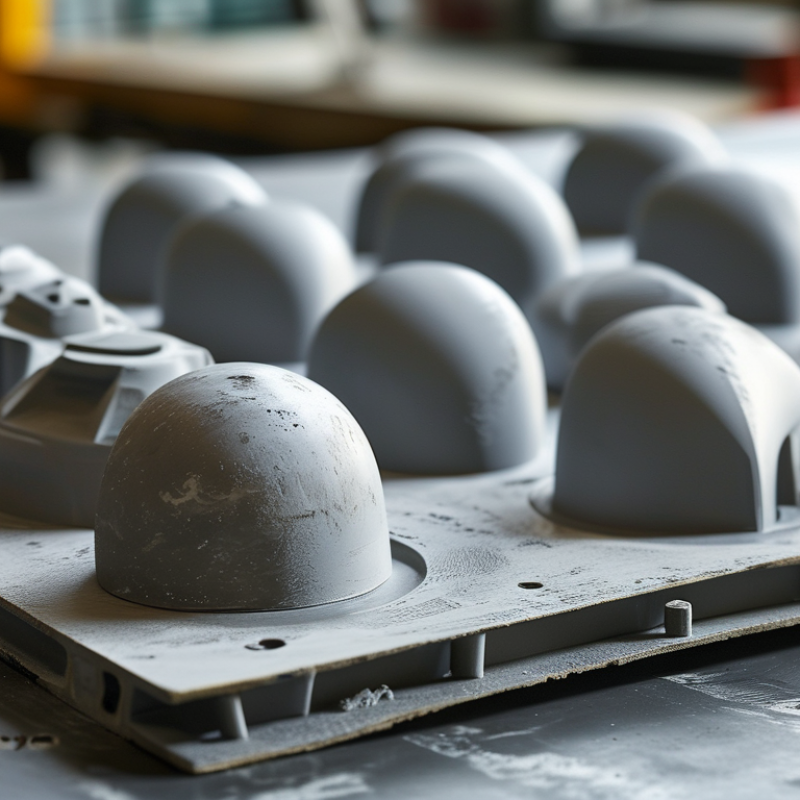
Silicone dip molding is a process that coats a shaped mandrel with liquid silicone. The mandrel is heated, dipped, and withdrawn at a controlled speed. A silicone film forms on its surface. After curing, the finished part is removed, often by stretching or cutting the flexible material.
This method suits gloves, protective covers, seals, soft grips, and small medical or industrial components. Wall thickness depends on silicone viscosity, bath temperature, dipping speed, and the number of coating cycles. A slower withdrawal can create a thicker layer, but it may also cause runs or uneven edges. Small details matter.
Quality teams usually inspect thickness, surface texture, curing, and dimensional recovery. They may also test tensile strength, elongation, compression, and resistance to heat or chemicals.
In practical production, clean mandrels are essential. Dust can appear as a permanent defect. The process is not flawless. Complex shapes may trap air, while sharp corners can produce weak areas. Engineers often adjust the mold geometry before changing the silicone formula. That step is easy to overlook. Reliable manufacturers should document material batches, curing conditions, inspection results, and corrective actions. Clear records make comparisons between suppliers more meaningful, especially when reviewing China’s top silicone dip molding manufacturers.
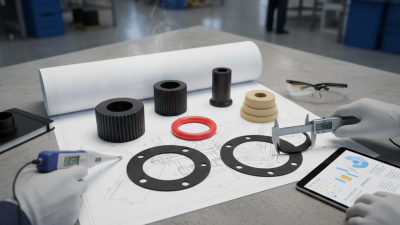
China’s silicone dip molding manufacturers are not evaluated by catalog photos alone. A serious review begins with production experience and process evidence. Reviewers inspect dipping tanks, curing ovens, molds, and clean handling areas. They also examine how operators control coating thickness, temperature, and dipping speed. Small variations can create visible ridges, weak edges, or uneven wall thickness.
Material traceability matters throughout the project. Reliable manufacturers should provide batch records, incoming inspection reports, and controlled storage conditions. Product testing may include hardness, tensile strength, elongation, dimensional checks, and visual inspection under bright lighting. Samples should match approved specifications after repeated production runs. One attractive prototype proves very little. Production consistency matters more.
Communication is another practical measure. Engineers should clarify drawings, tolerances, mold structure, packaging, and expected service conditions. A capable team explains limitations instead of promising everything. It should also respond with measurable corrective actions when defects appear. Factory audits can reveal details that websites hide, such as unclear records or rushed inspections. No factory is perfect. Even experienced suppliers may overlook a difficult corner or underestimate tooling wear. That is why independent sampling and a small trial order remain useful. Certifications can support credibility, but they should be verified against actual procedures, not accepted as decoration.
China’s top 10 silicone dip molding manufacturers are usually judged by process control, material knowledge, and delivery reliability. The strongest factories can produce coated handles, protective sleeves, flexible grips, and custom silicone covers. Their production lines often include controlled dipping tanks, curing ovens, and manual inspection stations.
Practical experience matters. Engineers should understand silicone viscosity, mold temperature, dipping speed, and curing time. A small speed change can create thin edges or uneven coverage. Quality teams commonly test hardness, tensile strength, tear resistance, surface finish, and dimensional accuracy. Batch records and traceable raw materials also improve reliability. Some facilities support cleanroom production or documented compliance for food-contact and medical applications, but buyers must verify each claim through current certificates and audits.
Factory visits reveal details that brochures often miss. Check storage conditions, worker training, rejected-part records, and calibration labels. Ask for samples from different production batches. Look closely at seams, bubbles, color variation, and coating thickness. Not every leading supplier performs equally across complex designs. That is worth remembering. A manufacturer may excel at high-volume grips but struggle with narrow channels or tight tolerances. Clear drawings, trial molds, and realistic inspection standards can prevent expensive rework. Pricing alone is a weak ranking method. A lower quote may hide slower communication, unstable material control, or limited engineering support.
| Rank | Anonymized Manufacturer Profile | Typical China Production Region | Silicone Dip Molding Scope | Common Silicone Materials | Relevant Quality Controls | Typical Application Areas | Common Supporting Capabilities |
|---|---|---|---|---|---|---|---|
| 1 | Profile 01 | Guangdong | Dip coating of metal, wire, and formed substrates; single- and multi-layer coating | RTV silicone, heat-cured silicone, flame-retardant silicone, colored silicone compounds | Coating-thickness checks, visual inspection, adhesion testing, hardness testing, batch traceability | Electrical insulation, protective handles, medical components, industrial grip parts | Tooling coordination, trimming, curing, secondary assembly, customized color matching |
| 2 | Profile 02 | Jiangsu | Silicone dip molding for small precision parts and repeat-production components | High-consistency silicone rubber, liquid silicone rubber, low-compression-set grades | Dimensional inspection, surface-defect inspection, curing verification, sampling plans based on production risk | Automotive parts, sensors, connectors, seals, consumer-product components | CNC tooling support, automated dispensing, deburring, packaging, production sampling |
| 3 | Profile 03 | Zhejiang | Dip molding on mandrels and metal inserts, including controlled coating build-up | General-purpose silicone rubber, high-temperature silicone, electrically insulating grades | Hardness measurement, tensile and tear-property checks, coating continuity checks, lot identification | Industrial tools, household hardware, kitchen accessories, cable and wire protection | Insert preparation, masking, oven curing, visual sorting, custom packing formats |
| 4 | Profile 04 | Fujian | Manual and semi-automated silicone dipping for medium-volume customized products | Food-contact-oriented silicone grades, translucent silicone, pigmentable silicone compounds | Color inspection, surface finish inspection, dimensional checks, cleanliness controls, sample retention | Food-service accessories, kitchenware components, consumer goods, reusable product parts | Color formulation, mold cleaning, post-curing, labeling, retail-ready packaging |
| 5 | Profile 05 | Shandong | Protective silicone coating and dip molding for metal and composite substrates | Abrasion-resistant silicone, weather-resistant silicone, flame-retardant compounds | Abrasion checks, adhesion evaluation, heat-aging tests, dimensional verification, process records | Industrial equipment, outdoor hardware, electrical protection, mechanical handles | Surface pretreatment, primer application, curing control, functional testing, bulk packing |
| 6 | Profile 06 | Shanghai and neighboring areas | Precision dip molding for engineered parts with tighter dimensional requirements | Medical-grade silicone where specified, low-volatile silicone, platinum-cured silicone | Dimensional reports, cleanliness controls, material certificates, visual inspection, controlled documentation | Healthcare components, laboratory products, precision instruments, fluid-handling parts | Controlled assembly, clean-work procedures, prototype support, inspection reporting, export documentation |
| 7 | Profile 07 | Anhui | Dip molding and silicone encapsulation for electronic and electromechanical parts | Dielectric silicone, thermally stable silicone, flame-retardant silicone | Insulation-resistance testing, coating continuity checks, curing verification, incoming material inspection | Electrical terminals, wire assemblies, sensors, control equipment, protective covers | Masking and demasking, electrical testing, insert handling, visual inspection, batch control |
| 8 | Profile 08 | Hubei | Custom dip molding for prototypes, low-volume orders, and product-development projects | General-purpose silicone, soft-touch silicone, transparent and colored silicone grades | Prototype dimensional checks, appearance approval, sample comparison, curing and adhesion verification | Product prototypes, laboratory fixtures, customized tools, consumer-product development | Rapid tooling coordination, design feedback, sample iteration, small-batch production, customized packing |
| 9 | Profile 09 | Chongqing and western China | Silicone dip molding for automotive, machinery, and heavy-duty protective components | High-temperature silicone, oil-resistant silicone, abrasion-resistant silicone compounds | Heat-resistance checks, oil-resistance evaluation, coating adhesion, hardness and dimensional inspection | Automotive systems, machinery controls, industrial handles, protective sleeves | Metal-part preparation, masking, post-curing, functional checks, transport packaging |
| 10 | Profile 10 | Guangxi and southern China | Flexible silicone dip molding for customized shapes, coated accessories, and replacement parts | Flexible silicone rubber, translucent silicone, colored and texture-formulated compounds | Appearance grading, hardness checks, dimensional sampling, adhesion checks, packaging inspection | Consumer accessories, sporting goods, household products, light industrial components | Texture development, trimming, surface finishing, assembly, customized carton and bag packaging |
China Top 10 Silicone Dip Molding Manufacturers: Comparing Products, Capabilities, Certifications, and Service
China’s silicone dip molding sector serves medical, electrical, automotive, and consumer applications. Grand View Research estimated the global silicone market at about USD 20 billion in 2023, with strong growth expected through 2030. This demand makes supplier comparison more important than a simple “top ten” ranking.
Product range matters first. Check silicone hardness, wall thickness, color stability, and surface finish. Ask whether each manufacturer supports custom tooling, small pilot batches, and repeat production. A capable factory should explain coating thickness using measured data, not vague promises. Request sample parts with visible edges, holes, and flexible sections. These details reveal process control.
Certifications need careful checking. ISO 9001 supports general quality management, while ISO 13485 is more relevant to medical components. Automotive projects may require IATF 16949 systems. Compliance claims should include certificate numbers, issuing bodies, and valid dates. Grand View Research and Fortune Business Insights both identify healthcare and electronics as important silicone demand areas. Therefore, traceability and contamination controls deserve attention. Service is often the weak point. Evaluate design-for-manufacturing feedback, mold revision procedures, inspection reports, packaging, and response times. A supplier offering fast samples may still lack stable mass production. I have seen comparisons overvalue equipment photographs and undervalue corrective-action records. That is a mistake worth reconsidering.
A “China Top 10” list can help narrow your search, but rankings rarely show the full manufacturing picture. The right silicone dip molding manufacturer should match your product, volume, and quality risks. Ask how many years they have handled similar parts. Request photos, sample reports, and customer references from comparable projects.
Study the silicone material carefully. Medical, food-contact, industrial, and consumer applications may require different grades and testing controls. Confirm hardness, color stability, tensile strength, and temperature resistance. A reliable supplier should explain its dipping process clearly, including mold preparation, coating thickness, curing temperature, and inspection points. Ask for a trial batch.
Small details matter. Check whether the factory controls dust, humidity, and storage conditions. Review calibration records for measuring equipment. Traceable batch numbers can make defect investigations much faster. You should also examine production capacity, tooling support, lead times, and packaging methods. Do not trust impressive equipment alone. Skilled operators still influence surface finish and wall thickness.
Communication deserves a practical test. Send a detailed drawing and observe the response. Does the engineering team identify unclear tolerances? Do they challenge unrealistic requirements? That response reveals experience. A polished website can mislead. I once underestimated sampling time because the mold looked simple. It was not. Build time for revisions, pilot production, and independent testing into your purchasing plan.
The chart presents a practical procurement-weighting model for comparing silicone dip molding suppliers. Quality systems and regulatory compliance receive the highest priority, followed by molding capability, material traceability, engineering support, production capacity, testing, and customer service. Actual priorities should be adjusted according to the product’s industry, volume, and certification requirements.