Choosing reliable plastic parts manufacturers is rarely as simple as comparing prices on a supplier directory. Global buyers need consistent quality, clear communication, and evidence of production capability. This guide introduces ten manufacturers worth evaluating for international sourcing projects. The selection considers molding expertise, material control, tooling support, inspection systems, and delivery performance. Real experience matters here. A polished website cannot replace a stable production line.
Each manufacturer should be assessed against the buyer’s actual requirements. These may include tight tolerances, complex geometries, medical-grade materials, automotive specifications, or high-volume consumer products. Look for documented quality processes, traceable raw materials, and practical sampling procedures. Ask how defects are handled. Ask who owns the tooling. Small details often reveal operational maturity. Factory photographs help, but production records and sample inspections provide stronger evidence.
No ranking is perfect. A supplier that suits a large automotive program may not fit a small startup order. One manufacturer may offer excellent engineering support but longer lead times. Another may quote less but require closer quality supervision. Buyers should verify certifications, export experience, capacity, and communication standards before signing contracts. Site audits or independent inspections can reduce uncertainty. They cannot remove it completely. That is worth remembering.
The following list is designed as a practical starting point, not a final purchasing decision. It highlights manufacturers with relevant capabilities for producing dependable plastic parts across different industries and regions. Compare their strengths carefully. Then match them with your drawings, volumes, compliance needs, and risk tolerance. Good sourcing is not only about finding a factory. It is about building a supply relationship that can survive changing designs, demanding schedules, and occasional mistakes.
Top 10 Plastic Parts Manufacturers for Global Buyers?
How Plastic Parts Manufacturers Serve Global Buyers
Global buyers need more than a low quote when comparing plastic parts manufacturers. Reliable suppliers begin with a clear review of drawings, materials, tolerances, and production volumes. Experienced engineers often identify draft issues before tooling begins. This can prevent costly revisions later. It also improves communication across time zones.
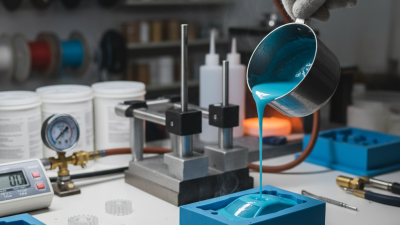
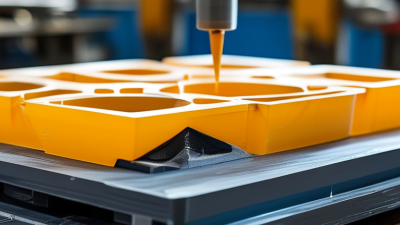
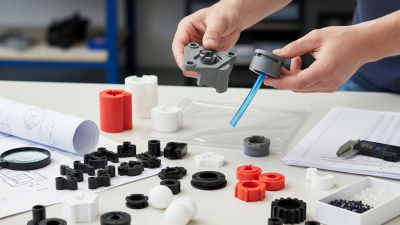
Strong manufacturers support international customers through sampling, mold development, production, inspection, and packaging. They provide dimensional reports, material records, and shipment documents when required. Some use optical measurement systems for tight tolerances. Others perform practical assembly tests with customer-supplied components. These details show whether a supplier understands real product use, not only factory output.
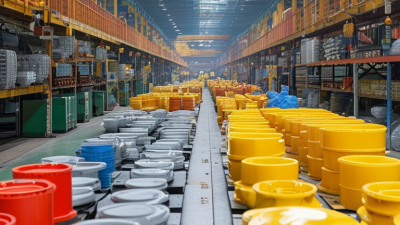
Communication matters every day. Buyers should expect clear project schedules, responsible contacts, and prompt explanations when problems appear. No manufacturer is perfect. A first sample may still reveal warping, short shots, or an uncomfortable fit. That is not always failure, but ignoring it is risky. Good teams record the issue, adjust the process, and verify the next sample. Buyers should also check production capacity, quality procedures, export experience, and contingency planning before placing large orders. A factory visit or independent inspection can reveal gaps that polished presentations hide.
| Rank | Anonymous Manufacturer Profile | Core Manufacturing Processes | Typical Part Size | Material Options | Quality & Compliance Focus | Typical Prototype Lead Time | Typical Production Lead Time | Global Buyer Services | Service Readiness |
|---|---|---|---|---|---|---|---|---|---|
| 1 | Profile A — High-volume injection specialist | Injection molding, insert molding, overmolding, automated assembly | Small to medium parts; approximately 1 g–8 kg | PP, ABS, PC, PA, POM, PBT, TPE, TPU, glass-filled engineering plastics | ISO 9001-based quality systems; dimensional inspection; resin traceability | 7–15 business days | 4–8 weeks after tooling approval | DFM review, mold-flow feedback, tooling management, first-article inspection, export packaging | ★★★★★ |
| 2 | Profile B — Automotive-grade molding supplier | Precision injection molding, two-shot molding, insert molding, ultrasonic welding | Small to medium parts; approximately 0.5 g–5 kg | PA, PBT, PC/ABS, PP, PPS, POM, flame-retardant and glass-filled grades | IATF 16949-oriented processes; process capability studies; PPAP support | 10–20 business days | 5–10 weeks after production tooling release | Automotive documentation, control plans, traceability, inspection reports, regional logistics support | ★★★★★ |
| 3 | Profile C — Medical and healthcare parts producer | Cleanroom injection molding, micro molding, insert molding, secondary assembly | Micro parts to medium housings; approximately 0.01 g–2 kg | Medical-grade PC, PP, PE, PEEK, PSU, PPSU, TPU and silicone-compatible materials | ISO 13485-oriented quality systems; validation documentation; biocompatibility support | 15–30 business days | 8–16 weeks, depending on validation requirements | Material certificates, process validation, controlled documentation, clean packaging, change control | ★★★★★ |
| 4 | Profile D — Rapid prototyping and low-volume partner | 3D printing, CNC machining, vacuum casting, low-volume injection molding | Prototype parts from millimeter scale to approximately 1 m | ABS-like, nylon, resin, PC, aluminum-filled resin, silicone and production thermoplastics | Dimensional inspection; material verification; prototype revision control | 2–7 business days | 2–5 weeks for low-volume production | Online quoting, rapid DFM feedback, engineering changes, mixed-process sourcing, sample approval | ★★★★☆ |
| 5 | Profile E — Large-part structural molding supplier | Large-part injection molding, structural foam molding, compression molding, rotational molding | Medium to very large parts; approximately 1 kg–80 kg | PP, HDPE, ABS, PC/ABS, LLDPE, fiberglass-reinforced thermoplastics | ISO 9001-based systems; warpage control; weld-line and dimensional analysis | 15–30 business days | 8–16 weeks, depending on mold size and automation | Large-tool engineering, freight planning, palletized packaging, assembly and kitting services | ★★★★☆ |
| 6 | Profile F — Precision electronics enclosure producer | Precision injection molding, texture finishing, laser marking, pad printing, assembly | Small to medium housings; approximately 5 g–3 kg | PC, ABS, PC/ABS, PA, PBT, PMMA, flame-retardant and EMI-shielding compounds | ISO 9001-based systems; cosmetic inspection; color and gloss control | 10–20 business days | 5–10 weeks after design and surface approval | Color matching, cosmetic standards, packaging engineering, component sourcing, final assembly | ★★★★☆ |
| 7 | Profile G — Elastomer and overmolding specialist | Liquid silicone molding, rubber molding, two-shot molding, insert overmolding | Small to medium flexible parts; approximately 0.1 g–2 kg | LSR, TPE, TPU, EPDM, NBR, silicone and rigid thermoplastic combinations | Material lot control; hardness testing; flash and dimensional inspection | 10–25 business days | 6–12 weeks, depending on tooling and material qualification | Shore hardness selection, sealing design support, clean handling, assembly and leak testing | ★★★★☆ |
| 8 | Profile H — Sustainable plastics manufacturer | Injection molding, recycled-content molding, bio-based material processing, assembly | Small to medium parts; approximately 1 g–6 kg | Recycled PP, recycled ABS, recycled PC, PLA, bio-based PA and standard engineering resins | ISO 9001-based systems; recycled-content documentation; material traceability | 10–20 business days | 5–10 weeks after tooling approval | Material sourcing, recycled-content verification, lightweighting advice, recyclable packaging options | ★★★★☆ |
| 9 | Profile I — Industrial technical parts supplier | Injection molding, compression molding, CNC finishing, threaded insert installation | Small to large technical parts; approximately 10 g–25 kg | PA, POM, PPS, PEEK, PTFE, UHMW-PE, phenolic compounds and glass-filled grades | ISO 9001-based systems; mechanical testing; critical-dimension control | 15–30 business days | 6–14 weeks, depending on material and tooling complexity | Engineering consultation, tolerance review, functional testing, small-batch production, export documentation | ★★★★☆ |
| 10 | Profile J — Contract manufacturing and assembly partner | Injection molding, extrusion, secondary machining, painting, assembly and fulfillment | Small to large parts; approximately 1 g–30 kg | Commodity thermoplastics, engineering plastics, elastomers and customer-specified compounds | ISO 9001-based systems; incoming, in-process and final inspection | 10–25 business days | 6–12 weeks after tooling and production planning | Multi-process sourcing, vendor coordination, finished-goods inspection, inventory programs, international shipping | ★★★★☆ |
| Benchmark note: Lead times, part weights and material ranges are typical industry planning ranges. Actual results vary according to part geometry, tolerances, resin availability, tooling complexity, validation requirements and order volume. | |||||||||