What Is Silicone Rubber and How Is It Used?
Silicone rubber is a flexible, durable material found in seals, medical tubing, kitchenware, electronics, and automotive components. Its rubber-like elasticity comes from a silicon-oxygen backbone, which differs from many carbon-based elastomers. This structure helps silicone rubber remain stable across wide temperature ranges. It also resists moisture, ultraviolet exposure, and many environmental conditions.
The details matter. A soft gasket may compress easily, while a high-strength industrial seal must resist tearing and repeated pressure. During product development, engineers often compare hardness, tensile strength, elongation, curing method, and service temperature. I have seen small changes in thickness affect sealing performance more than expected. That lesson is easy to miss.
No material is perfect.
Some silicone grades absorb certain oils or solvents. Others may fail when poorly designed, incorrectly cured, or exposed beyond their specifications. Food-contact, medical, and electrical applications also require suitable grades and documented testing. Standards, supplier data sheets, and independent verification provide stronger guidance than marketing language alone.
This guide explores what silicone rubber is, how manufacturers produce it, and why industries select it for demanding applications. It will examine common forms, including liquid silicone rubber, solid silicone rubber, and sponge silicone. Practical examples will show how these materials perform in real products. The discussion also considers limitations, maintenance, safety, and responsible material selection. Readers should treat each application as a design question, not a universal formula. The right choice depends on temperature, pressure, chemicals, movement, and required service life.

What Silicone Rubber Is and How It Is Made
What Silicone Rubber Is and How It Is Made
Silicone rubber is an elastomer built around silicon–oxygen chains. Its backbone gives the material unusual flexibility across wide temperature ranges. Carbon-based side groups adjust hardness, strength, and chemical resistance. The result feels soft, yet it can seal a hot engine compartment or a medical device.
Manufacturing begins with silica, carbon, and hydrocarbons. These materials produce silicon intermediates, including chlorosilanes. Water then drives hydrolysis and condensation, creating silicone polymers. Producers add reinforcing silica, pigments, stabilizers, and processing aids. Heat or platinum catalysts finally cross-link the compound. High-consistency rubber is mixed as a solid dough, while liquid silicone rubber is injected as a two-part fluid. The chemistry sounds clean, but production control is demanding. Small moisture changes can affect curing.
Market evidence supports its expanding industrial role. Grand View Research estimated the global silicone elastomers market at about USD 8.4 billion in 2023. Its report projected roughly 7% annual growth through 2030. Automotive seals, electrical insulation, healthcare components, and cookware drive much of this demand. ASTM and ISO testing standards commonly examine tensile strength, compression set, hardness, and aging. These tests matter because a part may look perfect before heat, pressure, or repeated flexing exposes weak formulation choices. Silicone rubber is reliable, but not automatically suitable for every application.
The Main Types and Chemical Properties of Silicone Rubber
What Is Silicone Rubber and How Is It Used?
The Main Types and Chemical Properties of Silicone Rubber
Silicone rubber is an elastomer built around a flexible silicon-oxygen backbone. Organic side groups, often methyl groups, shape its behavior. Unlike many carbon-based rubbers, this structure remains useful across broad temperature changes. It feels deceptively simple. Depending on the formulation, silicone can stay flexible near -50°C and tolerate sustained heat above 180°C. Exact limits require testing, not guesswork.
High-consistency silicone rubber, or HCR, arrives as a solid compound. Manufacturers shape it through compression, transfer, or extrusion. Liquid silicone rubber, or LSR, uses two-part liquids for precise injection molding. Room-temperature-vulcanizing silicone, or RTV, cures after moisture exposure or chemical mixing. Fluorosilicone improves resistance to fuels and oils. However, it may cost more and lose some general-purpose advantages. These categories can overlap. Cure chemistry matters.
Silicone rubber repels water, resists ozone and sunlight, and has low surface energy. It also provides strong electrical insulation and stays soft at low temperatures. However, it is relatively permeable to gases and may swell in certain solvents. Tear strength and abrasion resistance can trail specialized organic rubbers. Common uses include gaskets, tubing, seals, keypads, and wire insulation. Engineers should test hardness, compression set, tensile strength, and fluid compatibility using actual samples. I would not specify silicone from temperature alone. That shortcut can miss pressure, movement, and contamination risks.
Key Advantages and Limitations of Silicone Rubber
Silicone rubber is a flexible elastomer made from silicon, oxygen, carbon, and hydrogen. Its stable molecular structure helps it perform across wide temperature ranges. It remains soft in cold environments and resists hardening under moderate heat. That matters.
In practical component reviews, silicone rubber shows strong resistance to moisture, ozone, sunlight, and many aging conditions. It also provides reliable electrical insulation and clean, flexible sealing around uneven surfaces. These advantages support its use in gaskets, tubing, keypads, medical components, kitchenware, and industrial seals. Its low surface energy can also reduce sticking during repeated movement.
However, silicone rubber is not a universal solution. It usually has lower tear and abrasion resistance than several high-performance elastomers. Sharp edges, rough contact surfaces, and repeated friction can damage it sooner than expected. It can also allow certain gases to pass through more easily. Not always.
Material cost may be higher, especially when tight tolerances or specialized curing are required. Silicone may swell in contact with some oils, fuels, or solvents, so compatibility testing remains essential. A careless specification can produce a seal that looks perfect but fails under pressure. I have found that temperature ratings alone often create false confidence. Compression set, hardness, tensile strength, and exposure time deserve equal attention. Measure it. Reliable selection depends on real operating conditions, not a general claim that silicone “works everywhere.”
Common Applications Across Major Industries
What Is Silicone Rubber and How Is It Used?
Common Applications Across Major Industries
Silicone rubber is a flexible material made from silicon, oxygen, carbon, and hydrogen. Unlike many organic rubbers, it remains stable across wide temperature ranges. It also resists moisture, ultraviolet light, and ozone. This combination makes it useful where ordinary rubber may crack, harden, or lose shape. Still, silicone is not perfect. Some grades have limited resistance to fuels, oils, or sharp abrasion.
In healthcare, silicone rubber appears in tubing, seals, breathing components, and soft protective parts. Its smooth surface supports easier cleaning and controlled contact with skin. Automotive systems use it for gaskets, hoses, boots, and electrical insulation. These parts may face engine heat, vibration, and repeated movement. Careful grade selection matters. A material that handles heat may not withstand constant oil exposure.
Construction projects use silicone sealants around windows, façades, bathrooms, and expansion joints. The rubber stays flexible as buildings shift slightly. In electronics, molded silicone protects wires, sensors, and connections from water and thermal stress. Food-processing equipment may use silicone seals where cleanliness and temperature control are essential. It must still meet the required safety standards for its intended contact.
A common mistake is treating all silicone rubber as interchangeable. It is not. Hardness, curing method, reinforcement, and additives change performance. In practical testing, small defects can appear after repeated compression. That detail matters. Engineers should examine temperature, pressure, chemicals, cleaning methods, and service life before approving a component.
How Silicone Rubber Is Processed, Maintained, and Recycled
What Is Silicone Rubber and How Is It Used?
Silicone rubber is a flexible elastomer built around silicon, oxygen, carbon, and hydrogen. It remains stable across wide temperature ranges. Common uses include seals, medical tubing, electrical insulation, kitchen components, and vibration dampers. Grand View Research estimated the global silicone market at approximately US$18.5 billion in 2023. Fortune Business Insights valued the silicone elastomers segment near US$4.1 billion that year. The different figures reflect different market boundaries.
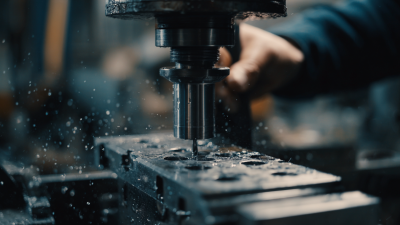
Processing begins with compounding. Manufacturers blend silicone gum with pigments, reinforcing silica, catalysts, and additives. Compression, injection, and extrusion then shape the material. Heat-cured grades often require controlled heating, while liquid silicone uses metered mixing and injection. Post-curing can reduce volatile residues. A small surface defect matters. It may become a leak after repeated compression.
Maintenance is practical, not glamorous. Inspect gaskets for cracks, swelling, tackiness, and permanent flattening. Clean them with mild detergent and lint-free cloths. Avoid sharp tools, petroleum solvents, and excessive stretching. Compatibility must be tested because oils, fuels, and concentrated chemicals can change performance. Material testing often follows standards such as ASTM D200 or ISO 37, but field conditions still expose weaknesses.
Recycling remains difficult. Clean production scrap can be ground and reused as filler, while some facilities explore chemical recovery. Mixed, contaminated parts are harder to process. The U.S. Environmental Protection Agency reports rubber recycling broadly, not silicone separately. That limitation matters. Silicone recycling data is still incomplete, and broad rubber statistics should not be presented as silicone-specific evidence.