2025 How to Use Rubberized Dip Coating for Maximum Protection and Durability
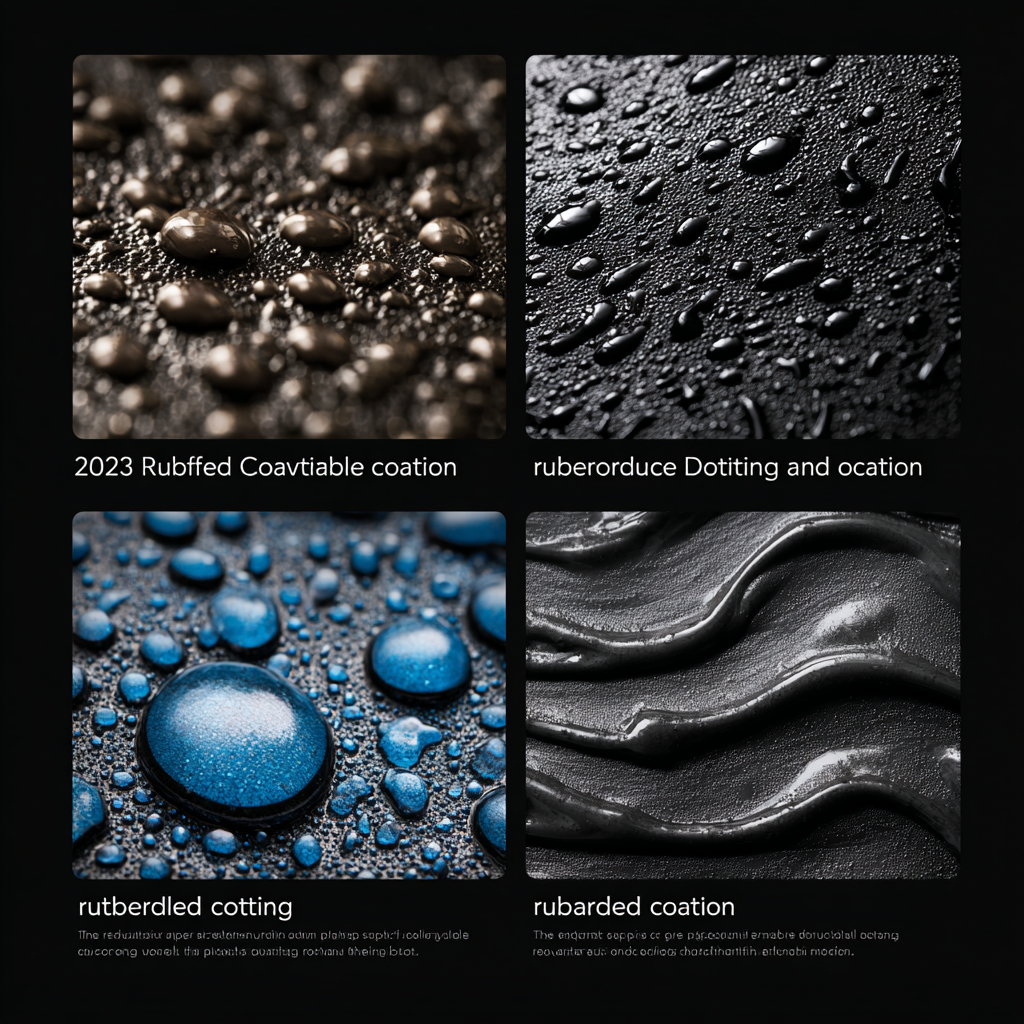
In recent years, the demand for high-performance protective coatings has surged, with rubberized dip coating emerging as a leading choice for enhancing durability across various applications. According to a recent report from MarketsandMarkets, the global market for rubberized coatings is projected to reach $1.2 billion by 2025, reflecting a compound annual growth rate (CAGR) of 5.2% from 2020. This impressive growth can be attributed to the unique properties of rubberized dip coating, including its resistance to abrasion, corrosion, and environmental stressors, making it ideal for automotive, industrial, and consumer products.
Industry expert Dr. Emily Cartwright, a noted figure in protective coating innovations, emphasizes the significance of this trend: “Rubberized dip coating not only provides a robust protective layer but also enhances the aesthetic appeal of the substrates it covers.” As manufacturers increasingly prioritize quality and reliability in their coating solutions, adopting rubberized dip coating techniques is crucial for those aiming to extend product lifespan and ensure maximum performance. The following sections will delve deeper into the optimal application methods, benefits, and best practices for utilizing rubberized dip coating effectively, aligning with industry standards and consumer expectations.
Maximizing Protection: Understanding the Benefits of Rubberized Dip Coating in 2025
Rubberized dip coating has rapidly become the go-to solution for enhancing the durability and protection of various products in 2025. With its ability to provide a tough, flexible barrier against environmental factors, this coating has proven essential in numerous applications such as automotive parts, electronics, and outdoor equipment. According to a recent industry report, products coated with rubberized dip can extend their lifespan by up to 50%, significantly reducing maintenance and replacement costs for businesses.
When considering rubberized dip coating, it's crucial to understand its numerous benefits. The coating's excellent adhesion properties ensure that it bonds well to surfaces, providing a waterproof and abrasion-resistant layer. Furthermore, it insulates against electrical currents, making it ideal for electronic components. Users can expect a significant reduction in wear and tear in areas exposed to moisture and harsh weather conditions.
Tips for Maximizing Protection:
- Surface Preparation: Ensure all surfaces are clean and free of contaminants before application. A well-prepared surface enhances adhesion and ensures an even coating.
- Proper Application: Apply the dip coating in a controlled environment to avoid issues such as dust settling. Maintaining optimal temperature and humidity levels can enhance the coating's performance.
- Layering Technique: For added durability, consider applying multiple layers. Allow each layer to cure properly, as this can significantly enhance the final protective qualities of the product.
By leveraging the advantages of rubberized dip coating, businesses can achieve unmatched levels of protection and longevity for their products in
2025.
Key Industry Statistics: Assessing the Performance Metrics of Rubberized Coating Solutions
The rubberized dip coating industry has shown remarkable growth, with an estimated market value projected to reach over $1.5 billion by 2025. This surge is fueled by the increasing demand for protective coatings across various sectors, including automotive, construction, and electronics. These coatings are recognized for their ability to provide excellent insulation and resistance to abrasion, chemicals, and moisture, contributing to the longevity and effectiveness of the products they protect.
Performance metrics indicate that rubberized coatings can significantly enhance durability, often extending the lifespan of coated materials by several years. Key statistics reveal that applications in automotive undercoating can reduce rust and corrosion by up to 90%, while electronic components coated with rubberized solutions experience lower wear and improved grip. Additionally, user satisfaction rates are high, with many industry professionals noting the ease of application and versatility of rubberized dip coatings. As advancements continue in formulation technology, the performance of these coatings is expected to improve even further, solidifying their position as a preferred choice for protective solutions in diverse applications.
2025 Rubberized Coating Performance Metrics
Application Techniques: Best Practices for Achieving Optimal Coating Thickness and Coverage
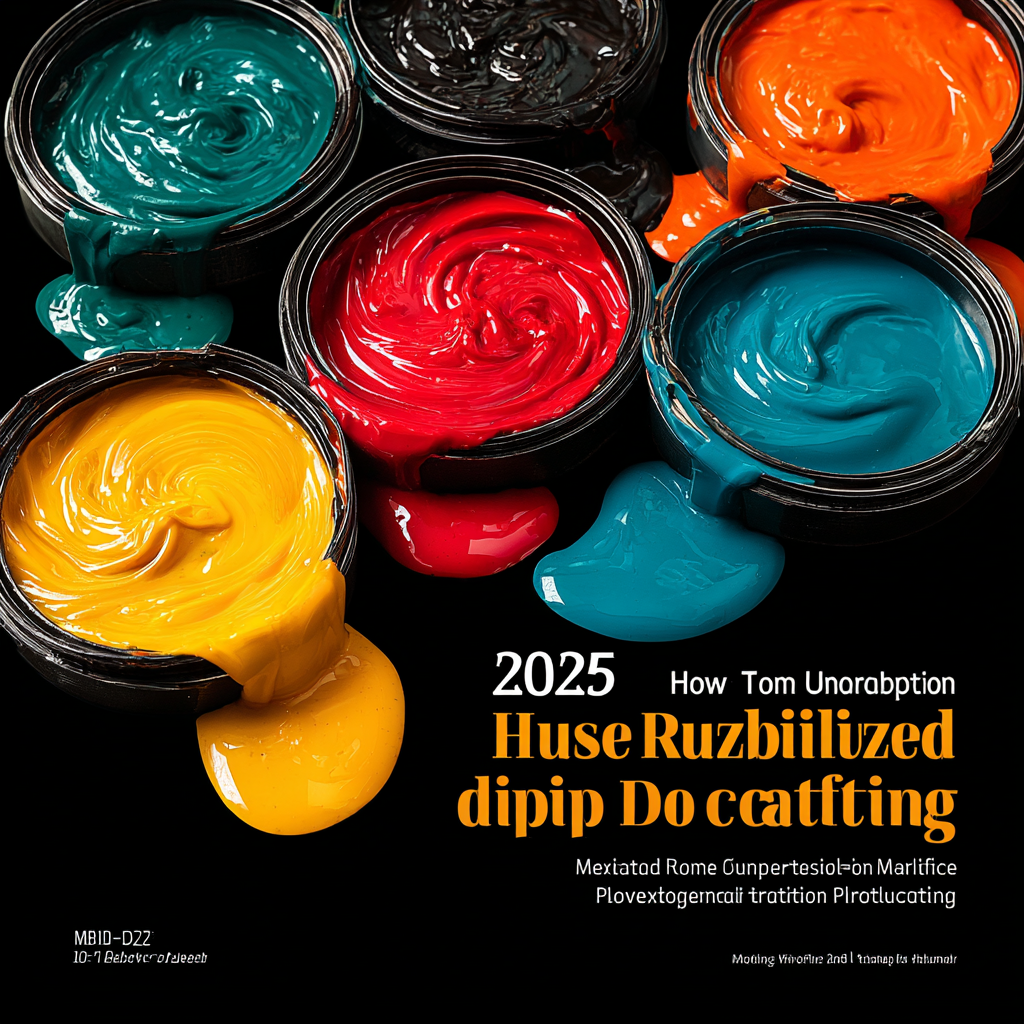 When applying rubberized dip coating, achieving optimal coating thickness and coverage is essential for maximizing protection and durability. Start by properly preparing the surface of the item to be coated. Clean it thoroughly to remove any dirt, rust, or grease, as contaminants can compromise adhesion. Additionally, consider lightly sanding the surface to create a textured profile, which facilitates better grip for the coating.
During the application process, hold the item at a consistent distance from the dip tank to ensure an even layer of coating. A slow and steady motion while dipping will help avoid drips and uneven coverage. It’s crucial to allow the coating to drain for a few seconds before lifting the item out, as this prevents excess material from pooling at the edges. For thicker applications, multiple dips may be necessary. Allow each layer to cure fully according to the manufacturer's instructions before applying the next. This careful attention to application techniques will ensure a robust, long-lasting protective layer.
Longevity Factors: Examining the Durability of Rubberized Coatings Under Various Environmental Conditions
Rubberized coatings are gaining significant attention for their ability to enhance durability across various applications. The longevity of these coatings is influenced by multiple environmental factors, including exposure to UV rays, humidity, and temperature fluctuations. As the rubber coatings market continues to expand, projected to reach a valuation of over $14 billion by 2035, understanding how these products perform under different conditions becomes crucial for consumers and manufacturers alike.
Recent innovations in the field, such as advanced polyurea coatings, highlight the ongoing commitment to improving product lifespan. These developments are particularly pertinent for recreational vehicle (RV) owners looking to protect their investments from the elements. Rigorous testing against international standards ensures that consumers can rely on these coatings to provide effective protection, extending the life of their surfaces and reducing maintenance costs. As the industry evolves, examining how rubberized coatings perform in diverse environments will be key to maximizing their benefits.
2025 How to Use Rubberized Dip Coating for Maximum Protection and Durability - Longevity Factors: Examining the Durability of Rubberized Coatings Under Various Environmental Conditions
| Environmental Condition |
Temperature (°C) |
Humidity (%) |
UV Exposure (Hours) |
Durability Score (1-10) |
| Indoor (Controlled) |
22 |
50 |
0 |
9 |
| Outdoor (Sunny) |
30 |
40 |
12 |
7 |
| High Humidity |
28 |
85 |
0 |
6 |
| Cold Environment |
-10 |
30 |
0 |
5 |
| Coastal Area |
25 |
75 |
6 |
4 |
| Freeze-Thaw Cycle |
0 |
20 |
0 |
3 |
Cost-Benefit Analysis: Evaluating the Long-Term Savings of Using Rubberized Dip Coating in Manufacturing
Rubberized dip coating offers a compelling cost-benefit advantage in the manufacturing sector, significantly enhancing the longevity and durability of products. According to a report by the Industrial Coatings Association, products treated with rubberized coatings can experience a reduction in wear and tear by up to 40%, drastically lowering replacement and maintenance costs over time. This protective layer not only shields against corrosion and abrasion but also provides an excellent grip, making it ideal for tools and equipment used in various industrial applications.
In a detailed evaluation, a case study published in the Journal of Protective Coatings and Linings highlighted that manufacturers using rubberized dip coating reported an average of 30% savings on maintenance expenses annually. These coatings are particularly beneficial in environments subjected to harsh conditions, leading to fewer incidents of equipment failure and downtime. By investing in rubberized dip coatings, companies not only protect their assets but also optimize their operational efficiency, which ultimately contributes to a healthier bottom line in the long run.