What is Plastic Dip Coating and How is it Used?
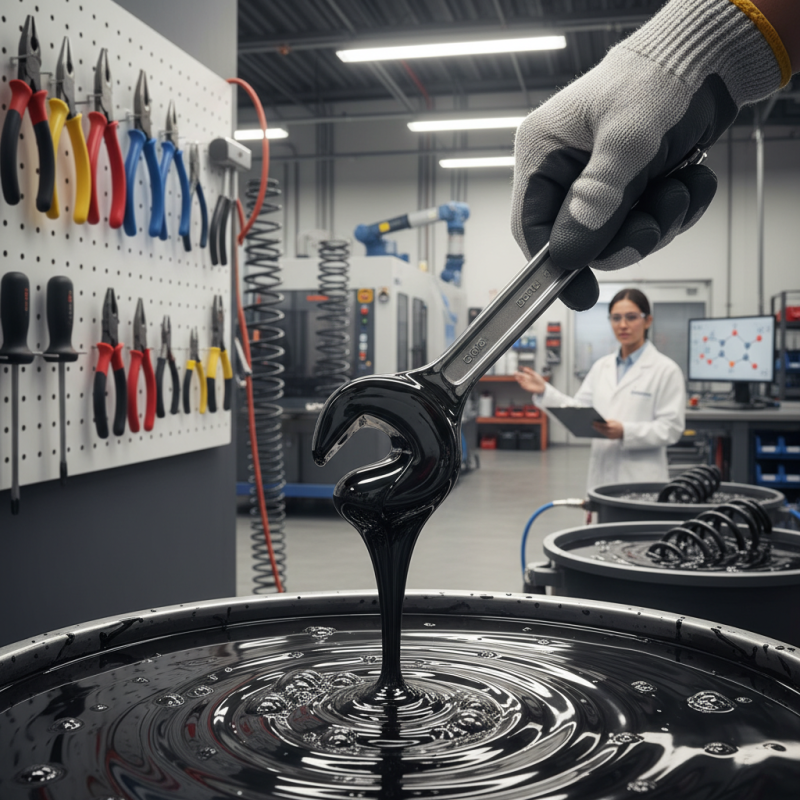
Plastic dip coating is a popular technique in various industries. It provides a protective layer to numerous surfaces, enhancing durability and appearance. According to Dr. Emily Chen, a leading expert in the plastic dip coating industry, "This coating transforms ordinary items into something resilient and visually appealing."
Plastic dip coating is commonly used on tools, automotive parts, and even household items. It can withstand scratches and impacts, offering long-lasting protection. The process involves applying a liquid plastic solution, which creates a flexible and waterproof barrier.
Despite its many benefits, the plastic dip coating process is not without challenges. Adequate surface preparation is crucial for optimal adhesion. Improper application can lead to peeling or bubbling. Thus, understanding the intricacies of this method is essential for success.
What is Plastic Dip Coating: An Overview of the Process
Plastic dip coating is a versatile process used for various applications. It involves dipping parts into a liquid plastic that forms a protective layer. This method is popular in industries where durability and appearance are crucial. According to a market report by Grand View Research, the global market for plastic coatings is expected to reach $28 billion by 2027, reflecting its growing importance in manufacturing.
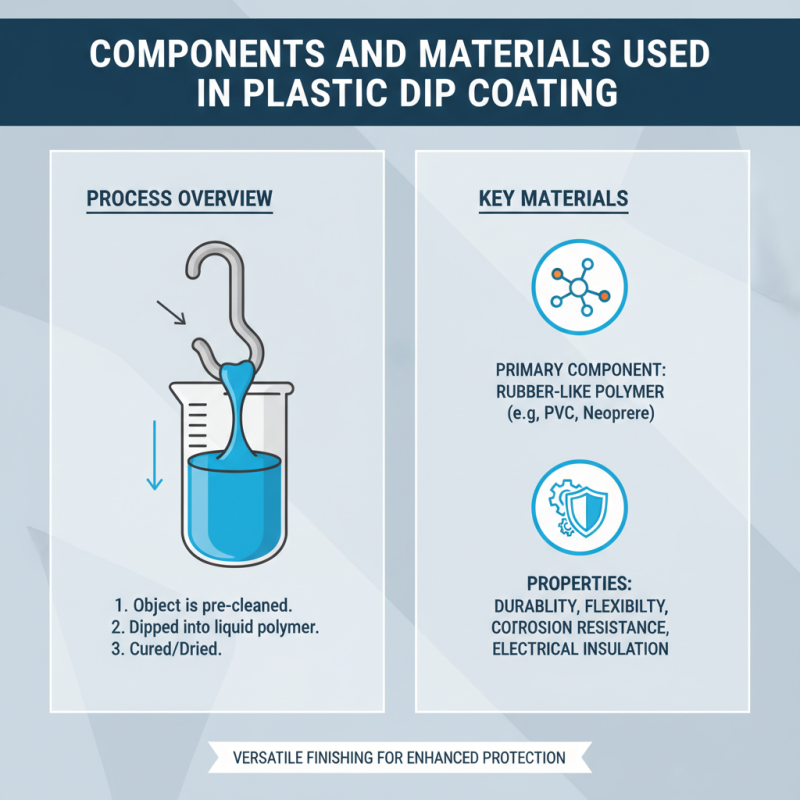
In the process, the part is cleaned to remove contaminants. Once clean, it is dipped into a vat containing thermoplastic materials. The coating cures as the part is removed and cooled. Thickness can vary, allowing for customization based on the specific needs of the application. However, achieving a uniform layer can be challenging and requires careful monitoring. Studies suggest that improper application can lead to inconsistent finishes, which may undermine the product's integrity.
Despite its benefits, plastic dip coating is not without drawbacks. The process may release volatile organic compounds (VOCs), which raises environmental concerns. While many manufacturers focus on reducing emissions, the need for regulation remains. Industry experts emphasize the importance of balancing efficiency and sustainability. This ongoing challenge invites continuous innovation in the field of coating technologies.
Plastic Dip Coating Usage Statistics
Components and Materials Used in Plastic Dip Coating
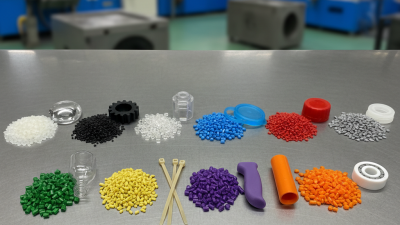
Plastic dip coating is a versatile finishing process that enhances the durability of various objects. It's important to understand what materials are used in this method. Typically, a rubber-like polymer is the main component. This polymer can be easily manipulated and offers great resistance to wear and tear.
In addition to the polymer, additives are mixed in for different properties. These can include colorants for aesthetic appeal. Some additives enhance adhesion, making the coating stick better to surfaces. Not all combinations work well, though. Finding the right balance of materials can be challenging. Sometimes, the coating can peel or bubble if not correctly formulated.
Another key component is the solvent used during the application. Solvents affect drying time and the overall finish. A thicker layer might offer better protection, but it can also lead to imperfections. Users must carefully consider how these materials interact during the coating process. The outcome can vary significantly based on the choices made.
Application Methods for Plastic Dip Coating Explained
Plastic dip coating is a versatile process commonly used to enhance the durability and aesthetics of various materials. One popular application method involves dipping the item into a plastic solution. This method ensures even coverage and a smooth finish.
Users must ensure that the item is clean and dry before dipping. This step is crucial. Any residue can affect adhesion.
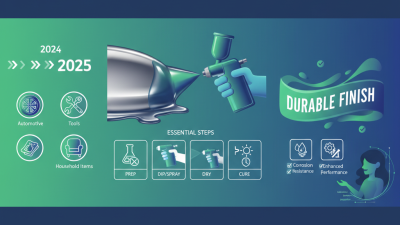
Another method is spraying. This technique allows for precise control over thickness and coverage. It requires an air compressor and a spray gun. It’s important to practice proper technique. A steady hand is essential to avoid drips and uneven layers.
Users often find it challenging to achieve the desired texture. Mistakes can lead to rework, which can be frustrating.
Brushing is yet another method, useful for small projects or repairs. It requires careful application but can provide excellent results. Users may struggle with brush marks, leading to less-than-perfect finishes.
It takes patience to master this technique. Overall, each method has its pros and cons. Experimentation is key to finding the right approach for specific projects.
Common Uses and Benefits of Plastic Dip Coating
Plastic dip coating is a popular method for providing a protective layer to various materials. This technique is often used on tools, automotive parts, and even home items. The coating is a flexible rubber-like substance that offers excellent grip and protection against corrosion. It is straightforward to apply and can be done in an array of vibrant colors.
One of the most significant benefits of plastic dip coating is its customization potential. Users can choose different colors and finishes to match their style. This makes it highly appealing for DIY projects. The coating can be peeled off easily if needed, which is a feature some may not consider. Its temporary nature can lead to frequent reapplications or mismatched appearances over time.
Another common use of plastic dip coating is in automotive applications. It protects wheels and bumpers from scratches and weather damage. However, not every user is satisfied with the longevity of the coating. Some report that it chips or fades after a short time. This raises questions about its durability. Choosing the right thickness and application method is crucial yet often overlooked by amateurs.
What is Plastic Dip Coating and How is it Used? - Common Uses and Benefits of Plastic Dip Coating
| Use Case |
Description |
Benefits |
| Automotive Parts |
Used to coat car parts for protection and aesthetics. |
Enhances appearance, provides grip and protection from corrosion. |
| Tool Handles |
Coated to improve grip and comfort when using tools. |
Increases user safety, reduces slippage, and enhances comfort. |
| Household Items |
Applied to items like furniture, light switches, and remotes. |
Improves durability and adds a soft-touch finish. |
| Electrical Insulation |
Used as a protective layer on electrical wires and connections. |
Provides insulation, prevents short circuits, and protects against moisture. |
| DIY Projects |
Utilized in various do-it-yourself applications for customization. |
Allows for creativity, easy application, and easy removal. |
Maintenance and Care for Plastic Dip Coated Surfaces
Maintaining and caring for plastic dip coated surfaces is essential for longevity. These coatings can wear down over time. Regular checks for chips or scratches can prevent bigger issues. A study from the Coatings Research Institute found that proper maintenance can extend the life of these coatings by up to 30%.
Cleaning coated surfaces is straightforward. Use mild soap and water, then rinse thoroughly. Avoid abrasive materials which can damage the surface. Remember, harsh chemicals may degrade the coating over time. It’s wise to create a maintenance schedule. This will help you keep track of regular cleaning and inspections.
**Tip:** Inspect surfaces bi-weekly, especially after heavy use. Small damages can be addressed quickly.
Over time, plastic dip can lose its vibrant look. If you notice fading, consider a reapplication. This is simpler than it seems and can restore the original appearance. Regular maintenance plays a role here. However, don't wait too long to recoat. Prevention is always better than dealing with larger problems later.
**Tip:** Use a spray bottle for easy reapplication. It makes the process cleaner and more controlled.