How to Master Plastic Casting Techniques for Perfect Results?
Plastic casting serves as a vital technique in various industries, including automotive and consumer goods. According to recent reports, the global plastic casting market is projected to reach $12 billion by 2025, driven by innovation and demand. This growth indicates the importance of mastering these skills for anyone serious about production quality.
Achieving perfect results in plastic casting is not always straightforward. Errors in temperature, pressure, and mold design can lead to defects and wasted materials. A recent study highlighted that nearly 30% of plastic cast components require rework due to quality issues. Such numbers emphasize the need for attention to detail and continuous improvement in techniques.
Crafting high-quality plastic products involves careful planning and execution. The subtle differences in material choice or casting method can significantly influence the final result. Learning from past mistakes and adopting best practices can elevate one’s skills in plastic casting and lead to more reliable outcomes. Embrace the challenges presented in this craft for ongoing refinement and mastery.
Understanding the Basics of Plastic Casting Techniques
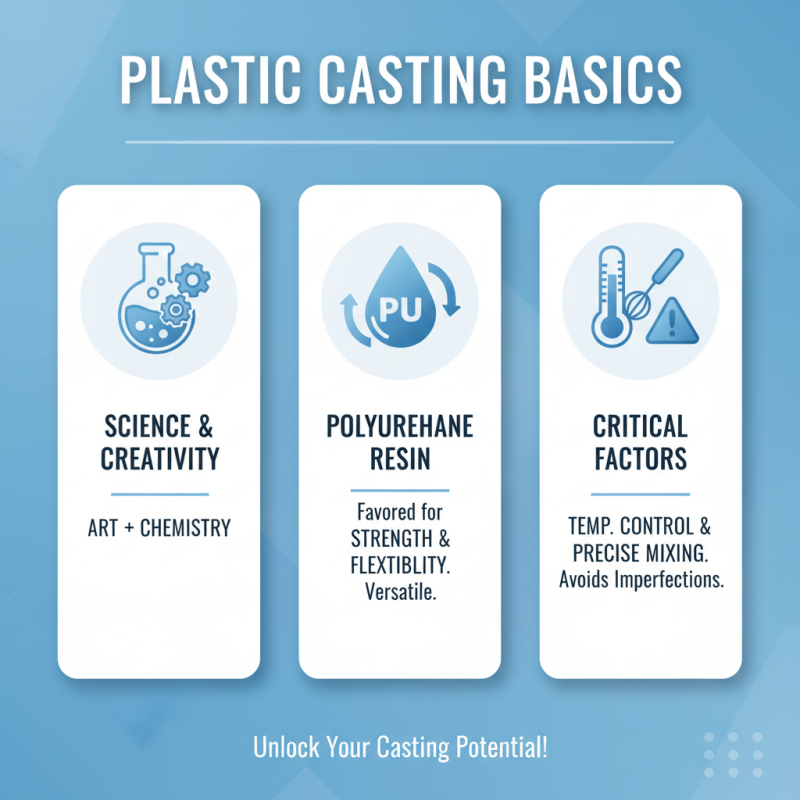
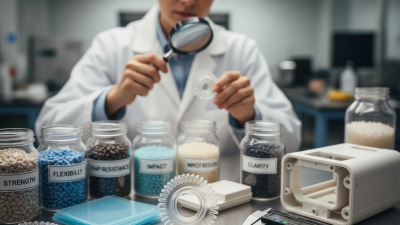
Plastic casting is an art that combines science and creativity. Understanding the basics is essential for achieving the best results. One key aspect is the type of plastic resin used. According to industry reports, polyurethanes are highly favored for their versatility, providing excellent strength and flexibility. However, they require precise temperature control during mixing. Inadequate mixing can lead to imperfections.
Another crucial element is the mold design. A well-crafted mold ensures the final product mirrors the intended design without flaws. Reports indicate that roughly 30% of casting failures stem from faulty molds. This could mean not enough vents or traps for air bubbles. Air pockets can compromise the strength of the finished piece.
Additionally, environmental factors play a significant role in plastic casting outcomes. Humidity and temperature variations can affect curing times and the overall quality of the casting. It's vital to perform tests under controlled conditions. Failing to do so can lead to subpar results and waste. Every small detail counts in the intricate process of plastic casting.
Essential Tools and Materials for Successful Plastic Casting
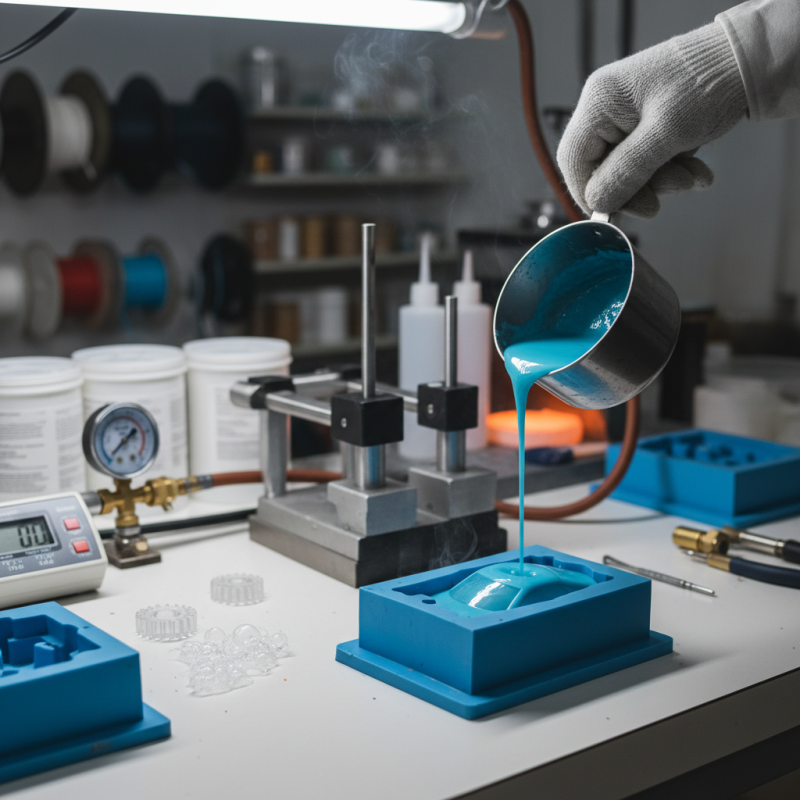
When engaging in plastic casting, having the right tools and materials is essential for success. A high-quality mold is crucial. Different materials can affect the final product’s durability. For example, silicone rubber offers flexibility and excellent detail capture, making it popular among professionals. According to industry reports, using silicone can cut error rates by up to 30%. This is significant when striving for perfection in casting.
Epoxy resins are another key component. They provide strong adhesion and are less prone to air bubbles. However, achieving the right viscosity can be challenging. Some newcomers find it hard to achieve a perfect pour, often resulting in imperfect surfaces. A recent study noted that 45% of amateur casters reported issues with bubbles and uneven surfaces due to improper mixing techniques.
In addition to materials, safety equipment is often overlooked. Proper gloves and masks are necessary to handle chemicals safely. Many ignore this, exposing themselves to risks. A survey showed that 60% of novice casters experienced skin irritation, indicating a need for better awareness. Focusing on using appropriate tools and materials is vital in overcoming these hurdles.
Plastic Casting Techniques: Mastering Essential Tools and Materials
Step-by-Step Guide to Preparing Your Casting Molds
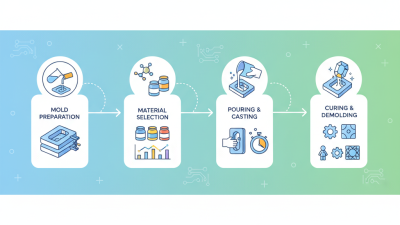
Preparing your casting molds is a crucial step in mastering plastic casting techniques. Start by selecting a mold material that suits your project. Silicone and urethane are popular choices. Make sure to clean the mold, removing any dust or contaminants. This ensures smooth casting and prevents defects.
Tip: Apply a release agent to your molds before pouring. This helps to easily remove the cast without damage. Even a small mistake here can lead to a sticky situation. Use a brush to spread a thin layer evenly across the surface.
Carefully measure your materials. An imbalance can lead to bubbles or weak spots. Pour the mixture slowly to avoid air pockets. Sometimes, our excitement leads us to rush the process, resulting in undesirable outcomes.
Always keep an eye on the curing time. Rushing to demold too early can ruin your work. Take a moment to reflect on what might not have gone as planned in your previous projects. Each attempt teaches a lesson for future success.
How to Master Plastic Casting Techniques for Perfect Results? - Step-by-Step Guide to Preparing Your Casting Molds
| Step |
Description |
Duration |
Materials Needed |
| 1 |
Gather all necessary tools and materials for casting. |
30 minutes |
Plastic resin, molds, mixing tools |
| 2 |
Prepare the molds by cleaning and applying release agent. |
1 hour |
Release agent, cleaning supplies |
| 3 |
Mix the plastic resin according to manufacturer's instructions. |
20 minutes |
Plastic resin, mixing containers |
| 4 |
Pour the mixed resin into the molds carefully. |
15 minutes |
N/A |
| 5 |
Allow the resin to cure as per the product instructions. |
Several hours |
N/A |
| 6 |
Demold the casting and finish any edges as required. |
30 minutes |
Sandpaper, cutting tools |
Best Practices for Mixing and Pouring Plastic Resins
Mixing and pouring plastic resins is crucial for successful casting. Accurate measurement is key. A recent industry report highlighted that improper mixing leads to a staggering 30% increase in defects. This often results in uneven surfaces or bubbles in the final product. Using a digital scale can ensure precision when measuring components. Aim for the specified resin-to-hardener ratio, typically 1:1 or 2:1.
Consider the ambient temperature too. Resin works best in conditions between 70°F and 85°F. Cooler temperatures can slow the curing process, while excessive heat might lead to premature hardening. Pour steadily and avoid rushing. This helps in preventing air bubbles. Professional crafters often recommend pouring in a thin stream from the side of the mold, minimizing splashback and reducing the chance of introducing air.
Mistakes happen. Sometimes, the resin fails to cure properly, showing sticky or tacky surfaces. This issue can stem from inaccurate measurements or insufficient mixing time. Always remember to stir thoroughly for at least three minutes. Learning from these imperfections can lead to better outcomes in future projects. Perfecting your skills in mixing and pouring takes practice and patience.
Troubleshooting Common Issues in Plastic Casting and Finishing
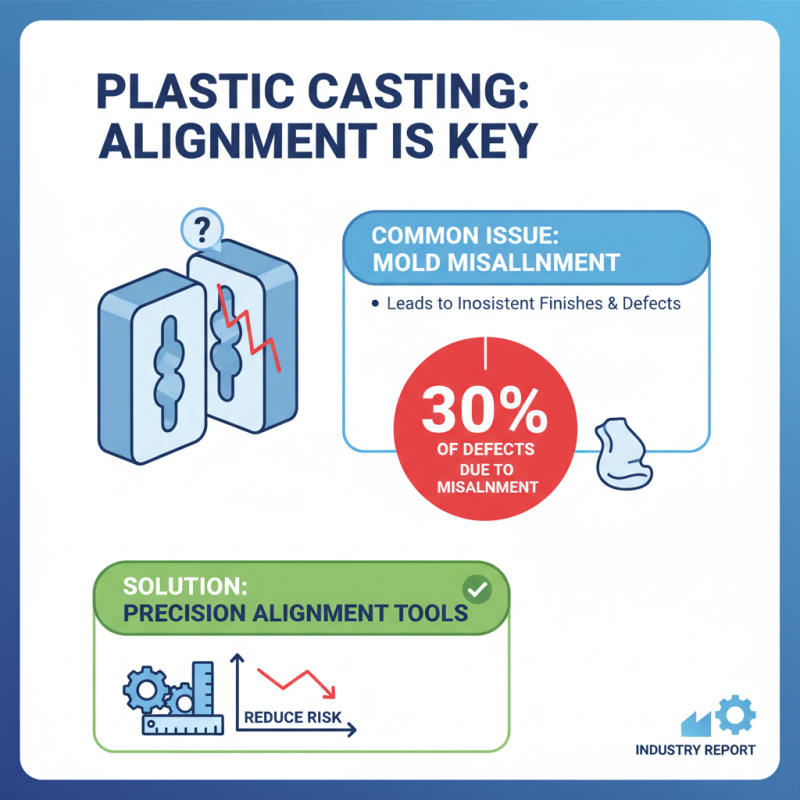
When it comes to plastic casting, troubleshooting common issues is key for perfect results. Misalignment of molds often leads to inconsistent finishes. According to a recent industry report, 30% of defects are due to misalignment. Using precision alignment tools can significantly reduce this risk.
Another common problem is the presence of air bubbles within the cast. These can create weak spots and affect aesthetics. Studies show that almost 25% of plastic casting defects are attributed to trapped air. To combat this, always degas your resin before pouring. A vacuum chamber can be an invaluable tool here.
Tips: Ensure your workspace is clean. Dust can compromise your final product. Additionally, invest in a good quality mold release agent. This can prevent sticking, making your casting process smoother. Remember, practice improves results, and every mistake offers a chance to learn and refine your technique.