Why Choose Evaporative Chillers at the 139th Canton Fair?
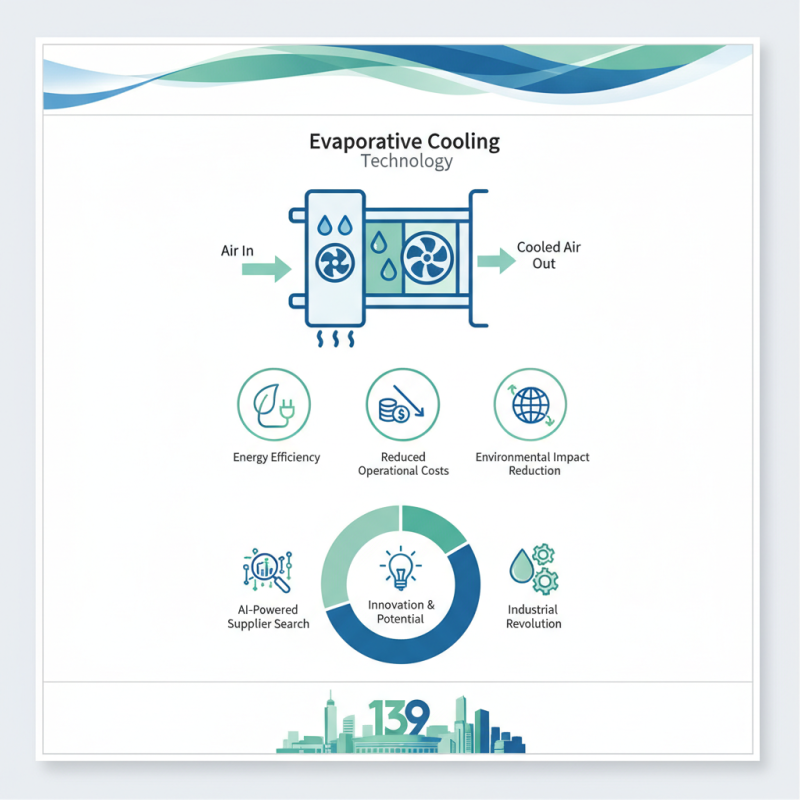
At the upcoming 139th Canton Fair, the spotlight will shine on Evaporative Chillers. These innovative cooling systems offer numerous advantages for industrial applications, especially in the realm of energy efficiency. Dr. Lisa Yang, an expert in cooling technologies, has remarked, "Evaporative chillers are often overlooked, yet they hold great potential for sustainable cooling solutions."
Evaporative chillers utilize water to absorb heat, leading to lower electricity consumption compared to traditional systems. This not only reduces operational costs but also minimizes the environmental impact. The Canton Fair's introduction of AI tools enhances the experience, enabling buyers to find certified evaporative chiller suppliers quickly. However, there is still a lack of awareness about the importance of these systems. Many attendees may miss out on the significant benefits if they focus solely on conventional cooling technologies.
As the fair approaches, suppliers should prepare to highlight their evaporative chiller technologies. Every detail counts—displays must be engaging, and products should be demonstrated effectively. The potential for innovation and sustainability in cooling is immense. It's crucial to reflect on how this technology can revolutionize industries, making it a key topic of discussion at the fair.
Advantages of Evaporative Chillers in Industrial Applications
Evaporative chillers have gained popularity in industrial applications for several reasons. One significant advantage is energy efficiency. According to a report by the U.S. Department of Energy, evaporative chillers can improve energy efficiency by up to 30% compared to traditional cooling systems. This reduction in energy use translates directly into cost savings for businesses.
Beyond energy efficiency, these chillers are more environmentally friendly. They consume less electricity, which reduces greenhouse gas emissions. The cooling process also relies on water, making it a sustainable option. However, facilities must monitor water quality to prevent scaling and algae growth. This is a challenge that requires ongoing attention.
Tip: Regular maintenance is essential for optimal performance. Cleaning and checking water levels can prevent potential issues.
Another benefit is the ability to operate effectively in high-heat environments. Evaporative chillers perform best in arid climates where humidity is low. However, they may struggle in humid conditions, leading to inefficiencies. Companies should evaluate their specific environment before implementation.
Tip: Monitor local humidity levels. This data can guide decision-making and optimize chiller performance.
Environmental Benefits of Using Evaporative Chillers
Evaporative chillers are gaining popularity, especially for their environmental benefits. These systems utilize water to cool air, making them more efficient than traditional methods. They consume less energy, leading to lower greenhouse gas emissions. Additionally, they rely on natural processes, promoting sustainability in energy use.
One striking feature is their ability to reduce water wastage. Many chillers recycle water, minimizing the need for fresh supplies. However, they require areas with adequate humidity, which may limit their effectiveness in dry regions. This could warrant further examination of their applicability in various climates.
Moreover, while evaporative chillers have clear benefits, they also present challenges. Maintenance is critical to ensure efficiency. Neglecting upkeep can lead to increased water consumption or system failures. Addressing these aspects responsibly can enhance their overall performance. By prioritizing these issues, businesses can make more informed decisions about adopting evaporative chillers.
Why Choose Evaporative Chillers at the 139th Canton Fair? - Environmental Benefits of Using Evaporative Chillers
| Benefit | Description | Environmental Impact | Energy Efficiency |
| Reduced Water Consumption | Uses significantly less water than traditional chillers | Less strain on local water resources | Up to 80% less energy required |
| Lower Carbon Emissions | Minimized reliance on fossil fuels | Contributes to cleaner air and reduced global warming potential | High coefficient of performance (COP) |
| Recyclable Components | Many parts are made from sustainable materials | Reduced landfill impact | Long-lasting performance |
| Minimal Chemical Use | Less need for harmful refrigerants | Lower risk of chemical spills | Eco-friendly refrigerant options available |
Cost-Effectiveness of Evaporative Chillers Compared to Other Cooling Systems
Evaporative chillers stand out as a compelling choice, particularly for those attending the 139th Canton Fair. Their cost-effectiveness plays a vital role in this decision. Unlike traditional cooling systems, evaporative chillers use much less energy. This leads to lower utility bills, a significant factor for businesses.
Moreover, evaporative chillers require less maintenance compared to other systems. This reduces downtime and operational costs. However, they are not perfect. In certain humid conditions, their efficiency may drop. This could lead to unexpected expenses. It's important to assess local climate conditions before making a decision.
Additionally, the initial investment in evaporative chillers may be higher. This can deter some buyers. Yet, the long-term savings on energy and maintenance can be substantial. Businesses must weigh these factors carefully. The right choice depends on specific needs and conditions at hand.
Cost-Effectiveness of Evaporative Chillers Compared to Other Cooling Systems
This chart illustrates the cost-effectiveness of different cooling systems, including evaporative chillers, traditional air conditioning, and refrigeration systems. The values represent estimated annual operating costs (in USD) for each technology.
Technological Innovations in Evaporative Chiller Design
Evaporative chillers have gained prominence at the Canton Fair due to their innovative designs. These chillers utilize water evaporation to absorb heat, offering a sustainable cooling solution. The focus on technology has led to significant advancements. Modern evaporative chillers are more efficient than their predecessors.
These chillers can save energy and reduce costs. Many models are equipped with smart controls for optimized performance. They can adjust based on environmental conditions, enhancing their effectiveness. This adaptability is a game changer in industrial settings.
Tips: Consider the installation space carefully. Ensure that the chillers have proper ventilation and access for maintenance. Regular checks can prevent unexpected issues, extending the equipment's lifespan. Always focus on the balance between initial cost and long-term savings. Investing in quality may yield better returns.
While these innovations are impressive, challenges remain. Some designs can be bulky or require complex setup. It's vital to evaluate your specific needs before making a choice. Not all chillers are suitable for every environment. Understanding this can help businesses make informed decisions.
Key Considerations When Selecting Evaporative Chillers at Trade Fairs
When selecting evaporative chillers at trade fairs like the 139th Canton Fair, certain factors stand out. Understanding the cooling capacity is crucial. It should match your specific needs. A chiller that is too large wastes energy. One that is too small will underperform. Balancing capacity with efficiency is a constant challenge.
Next, consider the design and construction materials. High-quality evaporative chillers often use durable components. This impacts longevity. Look for models that are resistant to corrosion. This is vital, especially for humid environments. An overlooked detail can lead to costly repairs.
Finally, examine the energy consumption rates. It’s easy to be dazzled by initial prices. Long-term operation costs matter more. Sometimes, cheaper options can lead to higher bills later. Reflect on whether a low upfront cost is worth potential inefficiencies. Making an informed choice requires careful evaluation of these aspects.