Why Are Ankle Braces Essential for Injury Prevention?
Ankle injuries are common in sports and daily activities, often resulting in pain and long recovery times. The use of ankle braces has gained recognition in preventing these injuries. Ankle braces are designed to provide support and stability to the ankle joint. They help reduce the risk of sprains and strains during physical activities.
Athletes and fitness enthusiasts understand the importance of ankle protection. Ankle braces can minimize movement in vulnerable areas, offering a sense of security. They are not just for athletes; active individuals benefit from added support. Yet, it's crucial to choose the right brace. An inappropriate fit can lead to discomfort or more issues.
Despite their advantages, ankle braces are sometimes misused. Some people rely solely on them without proper conditioning. Education on proper use is essential. Balance between brace support and strengthening exercises can yield the best results. Ankle braces are a valuable tool in injury prevention, but awareness of their limitations is equally important.
Understanding the Importance of Ankle Braces in Sports
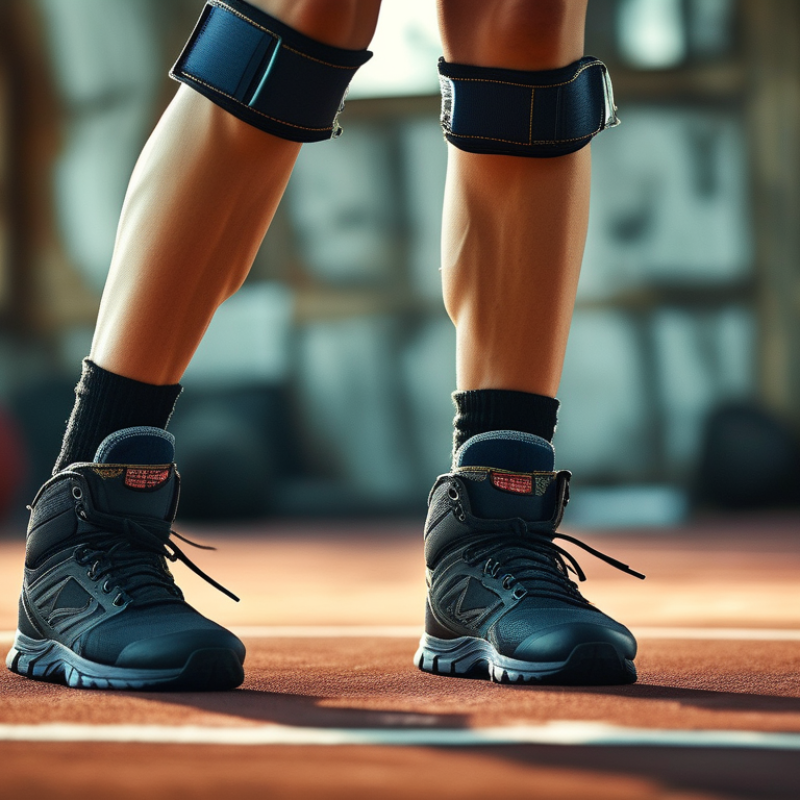
In sports, ankle stability is crucial. Athletes often rely on ankle braces to prevent injuries. These braces support the joints during high-impact activities. They help limit awkward movements that can lead to sprains. Proper use of ankle braces can reduce the risk of twisting or rolling the ankle. This is especially important in sports with fast directional changes like soccer or basketball.
Tips for choosing an ankle brace: Look for adjustable options. This allows a snug fit without cutting off circulation. Make sure to select a brace that matches the sport. Some braces are designed for light support, others for heavy-duty protection. Remember, the right fit matters. Ankle braces should feel comfortable but not loose.
Even with braces, awareness is vital. Pay attention to your body. If you feel discomfort, adapt your movements. Learning proper techniques is essential to avoiding injuries. Trust your equipment, but don’t rely solely on it. Staying mindful can make a significant difference in performance and safety on the field.
Common Ankle Injuries and Their Impact on Athletes
Ankle injuries are common in sports. They can sideline athletes for weeks or even months. Sprains, fractures, and tendon injuries pose serious risks. A sprained ankle occurs when ligaments stretch or tear. This can happen during a routine jump or a sudden change in direction. Fractures often arise from falls or impacts. Both injuries can affect performance and longevity in sports.
Athletes frequently overlook ankle support. Many believe they are strong enough to play without it. However, even the best athletes can experience unexpected twists. A weak ankle can lead to serious consequences. Rehab for ankle injuries is often prolonged. Some athletes never fully regain peak performance.
Preventing injuries is key. Ankle braces can offer crucial support and stability. They help maintain proper alignment during movement. Braces create a barrier against common injuries. Athletes should consider wearing them for high-risk activities. It may feel uncomfortable at first, but the protection they provide is invaluable. Reflecting on this can lead to smarter training and less chance of injury.
Common Ankle Injuries and their Impact on Athletes
How Ankle Braces Provide Support and Stability During Activities
Ankle braces play a vital role in injury prevention for athletes and active individuals. When participating in sports, the risk of ankle injuries rises significantly. According to the American Orthopaedic Foot & Ankle Society, nearly 25,000 ankle sprains occur daily in the United States alone. These injuries can lead to long recovery times and can affect performance. Hence, incorporating ankle braces can provide much-needed support during physical activities.
These braces offer stability by limiting excessive movement of the ankle joint. They are designed to support the ligaments and tendons in the area, ensuring proper alignment. A study published in the Journal of Athletic Training revealed that ankle braces reduce the risk of injuries by up to 50% in high-risk sports settings. By using ankle braces, athletes can engage in their activities with confidence, knowing that their ankles are protected.
Despite their effectiveness, some individuals may overlook ankle braces, assuming they are unnecessary. This mindset can lead to a higher incidence of injuries. It is essential to recognize that even minor ankle sprains can result in lingering problems if not addressed promptly. Investing time in proper equipment, like ankle braces, can make a significant difference in overall performance and well-being.
Types of Ankle Braces and Their Specific Uses in Injury Prevention
Ankle braces come in various types, each designed for specific needs. The most common types include lace-up braces, stirrup braces, and rigid braces. Lace-up braces are easy to adjust and suitable for mild support. They are often used for activities like hiking and running. Stirrup braces offer more stability. They protect against rolling while still allowing mobility. Rigid braces provide maximum support for severe injuries. They are perfect for rehabilitation after surgery.
When selecting an ankle brace, consider your activity level and injury history. If you have previously sprained your ankle, a lace-up brace might help during everyday activities. For more intense sports, a stirrup or rigid brace can prevent re-injury. Always ensure the brace fits snugly but comfortably. A loose brace may not provide adequate support.
Tips: Regularly assess your ankle's condition. Look for swelling, discomfort, or instability. If you notice these signs, consult a professional. Wearing an ankle brace doesn’t guarantee injury prevention. Consider strength training exercises to enhance stability and flexibility. Your body needs to adapt to the demands of your chosen activities.
Best Practices for Choosing and Using Ankle Braces Effectively
Choosing and using ankle braces effectively is crucial for preventing injuries. Research indicates that up to 40% of sports injuries involve the ankle. Foot and ankle support can significantly reduce this risk.
When selecting an ankle brace, consider the type of activity you'll be doing. For high-impact sports, choose a brace with firm support. A study published in the Journal of Athletic Training shows that braces can lower the risk of re-injury by 50%. Look for adjustable options to ensure a snug fit.
**Tip:** Always start by wearing the brace for short periods. Gradually increase wear time as your comfort grows.
Using the brace correctly is vital. Ensure it's positioned properly above the ankle bone. Inadequate placement can lead to discomfort or reduced support. Awareness of your body is essential. If you feel pain after wearing a brace, reassess its fit.
**Tip:** Keep the brace clean and dry to maintain effectiveness. Regularly check for signs of wear. Proper maintenance can extend the brace's life.
Why Are Ankle Braces Essential for Injury Prevention? - Best Practices for Choosing and Using Ankle Braces Effectively
| Aspect | Details |
| Purpose | Ankle braces provide support and reduce the risk of injuries during physical activities. |
| Types of Ankle Braces | Rigid, semi-rigid, and soft braces are commonly used based on the level of support required. |
| Materials | Common materials include neoprene, elastic fabrics, and plastic, providing various levels of support and comfort. |
| Fit and Sizing | Proper fit is crucial; shoes and brace sizes should correspond to ensure optimal function and comfort. |
| Usage Guidelines | Follow manufacturer instructions and adjust the brace for comfort during activity; do not rely solely on the brace for injury prevention. |
| Replacement | Regularly inspect and replace ankle braces that show wear or do not provide adequate support. |
| Consultation | Consult a healthcare professional for advice on the best type of ankle brace for specific activities or pre-existing conditions. |