How to Choose the Best Silicone Dip Molding Process?
Silicone dip molding is a crucial process in various manufacturing sectors, especially in the production of custom rubber products. According to a recent report from Grand View Research, the global silicone market is expected to reach $14.66 billion by 2025, driven by the increasing demand for silicone components in industries like automotive and electronics. Choosing the right silicone dip molding process is vital for ensuring product quality and meeting specific application needs.
The complexity of the silicone dip molding process can sometimes lead to confusion. Many manufacturers may overlook critical factors, such as temperature control and mold design, which can significantly impact the final product. For instance, improper dipping techniques can lead to inconsistent wall thickness or surface defects. Industry experts emphasize the importance of understanding material properties and process parameters to enhance reliability and efficacy in production.
Navigating the variety of options available requires careful consideration. Factors like automation levels, production volume, and specific application requirements should influence decision-making. Manufacturers should continuously reflect on their practices to avoid common pitfalls. A well-documented approach to silicone dip molding not only enhances efficiency but also aligns with industry standards and promotes competitiveness in the market.
Factors to Consider When Selecting a Silicone Dip Molding Process
Selecting the appropriate silicone dip molding process requires careful consideration of several key factors. One vital aspect is the material quality used for the molding process. High-quality silicone generally results in superior product performance. According to recent industry reports, approximately 75% of manufacturers noted that utilizing premium silicone reduced defects and improved durability in their final products.
Another important factor to evaluate is the mold design. The complexity of the design can directly impact production efficiency and turnaround times. A simplified mold design typically leads to a faster production schedule. Industry experts have highlighted that a well-designed mold can decrease waste by up to 30%. This reflects not only on cost savings but also on maximizing resource usage.
Temperature and environmental conditions during the dipping process are critical as well. Manufacturers must maintain optimal temperature ranges to ensure the silicone adheres properly and cures effectively. Discrepancies in temperature can lead to inconsistent product quality. Notably, around 60% of companies experience challenges related to these variables, emphasizing the need for close monitoring. Making informed decisions based on these factors can significantly enhance product quality and manufacturing efficiency.
Comparison of Different Silicone Dip Molding Techniques
When exploring silicone dip molding techniques, various factors come into play. Each method has unique features, influencing its suitability for different applications. The traditional dip molding process involves submerging a mold into liquid silicone. This technique forms a uniform layer, but achieving consistency can be challenging. Variations in temperature or dipping speed often lead to uneven thickness.
Another option is the use of electrostatic dip molding. Here, electric charges help distribute silicone evenly over the mold. This technique enhances coating uniformity, particularly useful for complex shapes. However, mastering this method requires specialized knowledge about the electrical properties of silicone. Mistakes can result in poor adhesion or surface imperfections.
Spray coating is also a contender in silicone molding. It allows for quick application over large areas. Yet, this method might not provide the same level of detail as dipping. Over-spray can lead to material wastage and cleanup issues. Each technique has its pros and cons, making the choice of the best method dependent on the specific project requirements and desired outcomes. Careful consideration is needed to strike a balance between efficiency and precision.
Impact of Material Selection on the Molding Process
Choosing the right material for silicone dip molding significantly affects the entire process. The properties of the selected silicone, like temperature resistance and flexibility, dictate the mold design. Data from industry reports show that a 10% variation in material composition can lead to a 25% change in durability. Understanding this impact is crucial for achieving optimal product performance.
When selecting silicone, consider its Shore hardness. This measurement indicates softness or firmness, influencing how well the mold can capture details. Softer silicones tend to flow better, which can reduce imperfections. However, they may lack the strength needed for certain applications. Conversely, harder silicones offer greater strength but can miss finer details.
Assess your specific needs. If you prioritize detail, opt for softer silicone. For high-stress applications, choose a harder variety. Remember that there's often a trade-off between detail and durability. Monitor production quality regularly. Even slight material changes can lead to unexpected results, requiring continual adjustment and reflection on your choices.
How to Choose the Best Silicone Dip Molding Process? - Impact of Material Selection on the Molding Process
| Material Type |
Viscosity (cP) |
Curing Time (minutes) |
Temperature Range (°C) |
Application Area |
| Silicone Rubber A |
500 |
20 |
-50 to 200 |
Medical Devices |
| Silicone Rubber B |
300 |
15 |
-40 to 150 |
Consumer Goods |
| Silicone Rubber C |
450 |
25 |
-30 to 180 |
Automotive Parts |
| Silicone Rubber D |
550 |
30 |
-60 to 220 |
Electrical Insulation |
Key Equipment and Tools Needed for Silicone Dip Molding
Choosing the right equipment and tools for silicone dip molding can significantly impact the quality of your final product. To begin with, you'll need a reliable dipping machine. This machine controls the temperature and dip speed, ensuring even coverage. A good machine will also have adjustable settings, allowing you to fine-tune the process to your specific needs.
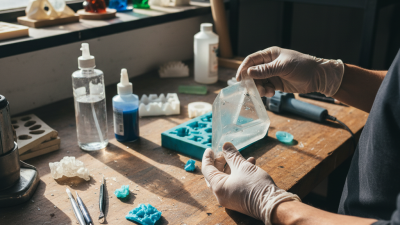
Next, consider the molds you’ll use. Molds can be made from various materials, such as aluminum or silicone itself. Aluminum molds offer durability but may require a release agent. Conversely, silicone molds provide easy de-molding but may not withstand high temperatures as well. It's important to evaluate the pros and cons of each material.
Additionally, temperature control equipment is essential. Silicone requires specific temperatures for optimal curing. A thermometer or heating system should keep consistent readings to avoid under or overheating. Lastly, proper ventilation is crucial when working with silicone. Fumes can be unpleasant and harmful. A well-ventilated workspace can improve safety and comfort during the molding process. Ensuring you have the right tools will help you achieve better results in your silicone dip molding projects.
Common Applications and Industries for Silicone Dip Molding
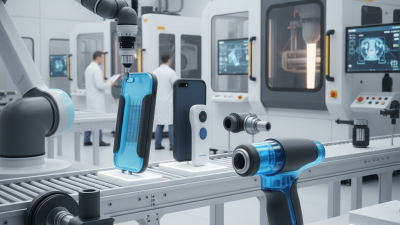
Silicone dip molding is widely utilized across various industries. One of its key applications is in the automotive sector. Manufacturers use silicone coatings for insulating and protecting wires and connectors. According to industry reports, the automotive sector alone is projected to consume over 25% of silicone rubber materials in the coming years. This trend highlights the critical need for efficient molding processes that ensure high-quality, durable products.
Another significant area is medical device manufacturing. Silicone dip molding allows for the creation of biocompatible products. Medical devices often require precise specifications to meet safety standards. Reports indicate that the medical device industry is expected to grow by approximately 5.4% annually. This growth emphasizes the importance of reliable silicone processes that can adapt to evolving regulations and consumer needs.
While silicone dip molding offers many advantages, it is not without challenges. The process can produce variations in thickness and uniformity, leading to potential failures. Manufacturers must invest in quality control measures. Continuous assessment of molding techniques is essential for mitigating these risks. As applications expand, so does the scrutiny of molding practices, highlighting the need for consistent improvement and innovation.
Common Applications and Industries for Silicone Dip Molding