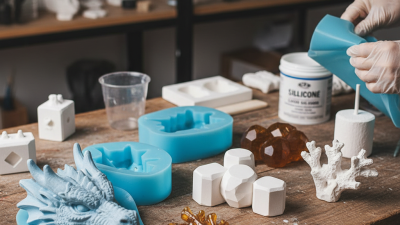
Best Silicone Rubber for Mold Making in 2026 for Global Buyers?
In 2026, the demand for high-quality silicone rubber for mold making continues to grow. This material is crucial for achieving precise and durable molds in various industries. Buyers around the world seek reliable options that guarantee performance and safety.
Silicone rubber for mold making offers unique benefits. It is flexible yet robust, allowing for intricate designs. Many manufacturers prioritize ease of use and versatility in their products. However, not all silicone rubber is created equal. Factors like curing time, temperature resistance, and cost must be considered.
Mistakes can happen when selecting the right silicone rubber. Some buyers may focus solely on price, overlooking quality. Ultimately, understanding the right specifications is vital for successful mold production. As we explore the best options, buyers should remain informed and cautious in their choices.
Overview of Silicone Rubber Types for Mold Making
Silicone rubber is an essential material for mold making, offering flexibility and durability. Various types of silicone rubber cater to specific needs in this field. For instance, platinum-cured silicone is favored for its superior clarity and lower volatility. This type ensures precise reproduction of details, ideal for intricate designs.
Another notable variant is tin-cured silicone. It typically comes at a lower cost and is easier to work with. However, it may not perform as well as platinum-cured silicone in terms of durability. Users should consider environmental factors, as tin-cured options can be sensitive to moisture during curing.
Mold-making professionals often rely on these silicone types, but challenges remain. The curing time can vary significantly among different products. Additionally, the handling of silicone requires careful measurement. Inaccurate ratios might lead to weak molds. Understanding the subtle differences among silicone varieties is key to achieving optimal results.
Key Factors in Choosing Silicone Rubber for Molds
Choosing the right silicone rubber for mold making involves several key factors. One significant aspect is the material's viscosity. High-viscosity silicones offer better structural integrity but may be harder to pour into intricate designs. Conversely, low-viscosity options flow better into fine details, although they might compromise strength. According to recent industry reports, 70% of buyers prioritize viscosity as a deciding factor.
Another important element is the curing time. Fast-curing silicones can save time in production, yet they may not allow for adjustments during pouring. A study from a leading materials organization showed that molds requiring precise details benefit from slower curing processes. These allow for tweaks and fluid adjustments, ensuring higher accuracy in the final product.
Moreover, the temperature resistance of silicone rubber plays a crucial role in its selection. For molds exposed to heat, materials that can withstand higher temperatures are critical. Reports indicate that 60% of mold makers face issues with heat degradation in their products. Evaluating thermal stability helps mitigate these risks, allowing for longer-lasting molds and enhanced quality in the production process.
Top Silicone Rubber Brands to Consider in 2026
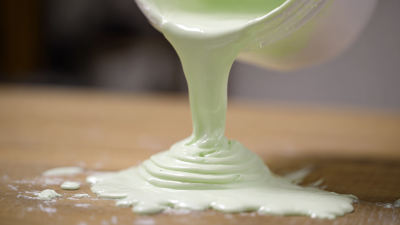
In 2026, selecting the right silicone rubber for mold making is crucial for craft enthusiasts and professionals. The best silicone rubber brands are recognized for their quality and performance. Many users appreciate silicone that is easy to mix and offers a reliable cure time. Transparency in the material helps in monitoring the mixing process, which is vital for achieving flawless molds. Crafting with silicone requires precision, and brands that ensure consistent results are often favored.
A few brands are particularly notable for their flexibility and durability. Molds made from high-quality silicone rubber can withstand temperatures and remain intact over time. However, not all products perform equally. Some may suffer from air bubbles if not mixed properly. Others might cure too quickly, complicating larger projects. These factors underscore the importance of considering user reviews and testing samples before committing to a purchase.
Quality assurance is another area to examine. Brands that provide certifications or detailed specifications often inspire more confidence among users. Consider their customer support and warranty options, as these can significantly affect user experience. No brand is perfect, and issues may arise. Keeping an open mind and testing different products can lead to discovering the best fit for your unique projects.
Best Silicone Rubber for Mold Making in 2026 for Global Buyers
| Property |
Rating (1-10) |
Ideal Applications |
Temperature Resistance (°C) |
Durability |
| Tear Strength |
9 |
Mold Making, Gaskets |
200 |
High |
| Flexibility |
8 |
Casting, Compression Molding |
180 |
Moderate |
| Shrinkage Rate |
7 |
Fine Detail Molds |
220 |
Low |
| Curing Time |
9 |
Fast Production |
160 |
High |
| Chemical Resistance |
10 |
Industrial Applications |
250 |
Excellent |
Comparative Analysis of Silicone vs. Other Mold Materials
When considering materials for mold making, silicone rubber stands out for several reasons. It offers excellent flexibility and durability. This makes it suitable for complex shapes. Silicone molds can reproduce fine details, a crucial aspect for many applications. However, this often comes at a higher initial cost compared to other options.
In contrast, thermoplastics can be a viable alternative. They are generally cheaper and can be easier to work with. Yet, these materials lack the same level of flexibility as silicone. They may not perform well in intricate designs. Additionally, thermoplastics do not handle heat as effectively, which can be a drawback in certain applications.
Other materials, such="color: #2980b9;"> polyurethane, also come into play. While polyurethane can offer hardness variations, it might not be as user-friendly as silicone. Some users find working with polyurethane challenging due to its curing process. Each material has its pros and cons, leading to the necessity of careful consideration based on project needs. Quality and purpose should guide the decision, reflecting the unique requirements of each mold-making endeavor.
Sourcing Silicone Rubber: Tips for Global Buyers in 2026
When sourcing silicone rubber for mold making in 2026, understanding market trends is crucial. The global silicone rubber market is expected to reach USD 12 billion by 2026, growing at a compound annual growth rate (CAGR) of 5%. This growth reflects increased demand across various industries such as automotive, electronics, and healthcare.
Global buyers should consider factors like material properties, cost, and supplier reliability. For instance, the tear strength and flexibility of silicone rubber can significantly affect mold quality. Reports indicate that over 70% of manufacturers prioritize durability when selecting materials. This can influence the end product's lifespan and performance. Insufficient research can lead to poor choices, resulting in production delays or increased costs.
Additionally, buyers must evaluate supplier certifications and workshop practices. Recent studies show that 60% of buyers faced challenges related to supplier communication and material consistency. Maintaining an open line with suppliers can mitigate these risks and ensure adherence to quality standards. Engaging in regular quality checks may be necessary, even if it requires extra time and resources. Being aware of these aspects helps buyers make informed decisions while navigating the complex supply chain.