2026 Best Punch And Die Tooling Options for Global Buyers?
In the dynamic world of manufacturing, selecting the right tools is crucial. Punch And Die Tooling plays a vital role in various processes, impacting efficiency and output quality. As global buyers navigate the myriad of options in 2026, understanding the latest trends and innovations becomes essential.
Different materials and designs influence the effectiveness of punch and die tooling. Buyers must consider factors such as durability, precision, and cost-effectiveness. For instance, high-speed steel and carbide are popular choices for their longevity. However, the right choice often depends on specific application needs.
The evolving landscape of technology brings both challenges and opportunities. Automation and advanced materials are reshaping how buyers approach tooling decisions. It is also essential to address potential shortcomings in tooling selection, such as compatibility with existing machinery. A thoughtful approach can lead to better outcomes and a competitive edge in the market.
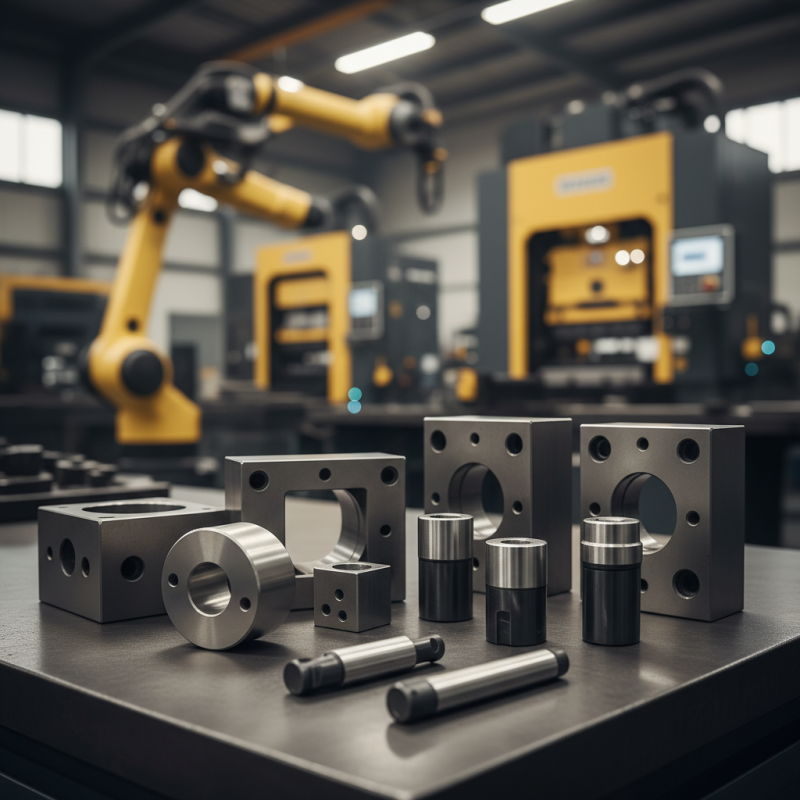
Overview of Punch and Die Tooling in 2026
In 2026, the landscape of punch and die tooling will evolve significantly. Advanced materials are being developed for enhanced durability and precision. Manufacturers are focusing on tools that can withstand higher pressures and provide consistent performance. This shift is crucial as industries seek to improve efficiency in production processes.
The integration of smart technology is another key trend. Tools equipped with sensors allow for real-time monitoring of wear and tear. This innovation brings immediate feedback, enabling timely maintenance. However, not all manufacturers are ready to embrace these changes. Transitioning to smart tooling presents challenges, such as high upfront costs and the need for skilled operators.
Sustainability will also play a role in tooling choices. Eco-friendly materials are gaining attention, aligning with global green initiatives. Buyers may struggle to balance cost with environmental impact. Each decision requires careful consideration of future implications. As the industry progresses, adaptability will be vital for success in the evolving market of punch and die tooling.
Key Factors Influencing Punch and Die Tooling Choices
When deciding on punch and die tooling options, several key factors play a crucial role. Material selection is vital. High-carbon steel remains popular due to its durability and cost-effectiveness. However, advanced materials like carbide offer enhanced performance for specific applications, despite being pricier. According to a report from the International Journal of Manufacturing Technology, tooling made from high-quality carbide can reduce tool wear by up to 50%.
Manufacturing precision is another critical consideration. Tools must fit exact specifications to ensure efficient operations. Any deviation can lead to production delays and increased costs. A 2022 industry survey indicated that 70% of manufacturers reported difficulties linked to tool precision, affecting overall productivity. The importance of matching tool specifications with material thickness cannot be overstated.
Lastly, supplier reliability is essential. A dependable supplier ensures consistent quality and timely delivery. Inadequate supply chains can hinder operations. Research from the Manufacturing Institute found that companies with strong supplier relationships saw a 20% increase in production efficiency. Finding the right supplier requires careful evaluation, as this can significantly impact the longevity of the tools used.
Top Manufacturers of Punch and Die Tooling for Global Buyers
The demand for punch and die tooling continues to grow globally. According to recent market research, the tooling market is expected to reach $68 billion by 2026. Manufacturers are focusing on innovations to meet this rising demand. High-quality tooling can significantly enhance productivity and precision in various industries, including automotive and aerospace.
In choosing the best tooling options, consider the materials used. High-speed steel and carbide are among the top choices for durability and performance. A reliable manufacturer will offer tooling that can withstand rigorous use, which is critical for maintaining production efficiency. Some manufacturers have adopted sustainable practices, appealing to environmentally conscious buyers. These factors can influence your selection process.
Tips: Evaluate the manufacturer's reputation and product reviews before making a decision. Doing your homework can save time and resources. Another tip is to consider custom tooling options to meet specific operational needs. Off-the-shelf solutions may not always offer the best fit for specialized applications. Always seek tools that offer a balance of cost-effectiveness and quality.
2026 Best Punch And Die Tooling Options for Global Buyers | Tool Type | Material | Hardness (HRC) | Applications | Average Price (USD) |
| Punch | Tool Steel | 58-62 | Metal Stamping | 200 |
| Die | High-Speed Steel | 60-65 | Sheet Metal Forming | 300 |
| Compound Die | Carbide | 65-70 | Progressive Die Applications | 450 |
| Blanking Die | D2 Tool Steel | 58-61 | Automotive Parts | 350 |
| Forming Die | S7 Tool Steel | 56-60 | Bending Applications | 400 |
Comparison of Material Types Used in Punch and Die Tooling
When choosing punch and die tooling, material selection is essential. Different materials offer varying benefits and limitations. High-speed steel (HSS) is a popular choice. It has excellent toughness and wear resistance. However, HSS may not withstand extreme temperatures as well as carbide.
Carbide is another widely used material. It boasts superior hardness. This allows it to maintain a sharp edge for longer periods. However, carbide tools can be brittle, leading to potential issues during heavy usage. Heat-treated steels can also be effective. They strike a balance between toughness and cost-effectiveness.
Tips: Always assess your specific needs before selecting a material. Consider factors like production volume and part complexity. Small adjustments can greatly enhance durability and performance. Experimenting with different coatings can also improve wear resistance. Test various options to find the most effective solution for your applications.
Emerging Trends and Innovations in Punch and Die Tooling
The punch and die tooling sector is witnessing rapid advancements, driven by technological innovations and changing market demands. Emerging trends are steering manufacturers toward greater efficiency and sustainability. Reports indicate that automation in tooling systems can reduce production times by up to 30%. Furthermore, the integration of smart technology in tooling enhances precision, allowing for complex designs without increasing costs.
One area of innovation is the use of
advanced materials. Tools made from high-performance composites show improved durability and longevity. Such materials can withstand higher pressures and reduce wear and tear, translating into fewer tool replacements and lower operational costs. However, companies need to choose materials wisely. Testing and certification processes can be costly and time-consuming.
Tip: Regular maintenance can significantly extend the life of your tooling. Simple practices like cleaning and proper storage can prevent premature wear. Another emerging trend is the rise of
customized tooling solutions. As production methods become more specialized, buyers seek tailored options to meet their specific needs. Data suggests that
70% of manufacturers are now considering made-to-order tooling to optimize their processes. However, while customization offers benefits, it often requires careful planning and more complex logistics.
Tip: Stay updated on material science. Understanding new developments can inform better decisions on tooling materials and designs.