2026 Best Molding Items for Creative Projects and DIY Enthusiasts?
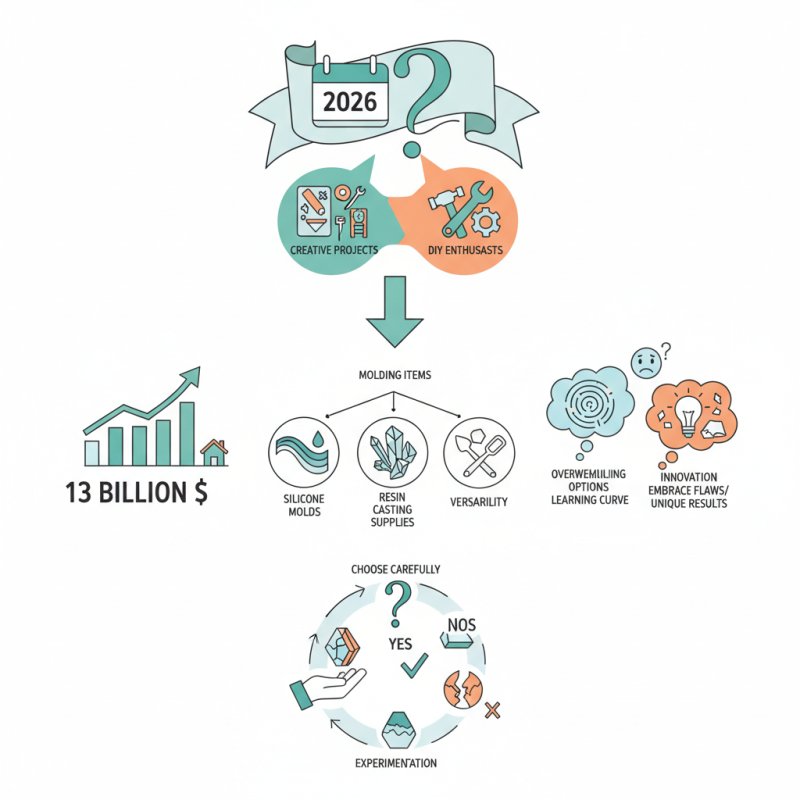
The creative project landscape is expanding rapidly. Molding items play a crucial role in this growth. Reports show that the DIY market is expected to reach $13 billion by 2026. This trend highlights the increasing interest in hands-on creativity.
Molding items offer versatility for artists and hobbyists. From silicone molds to resin casting supplies, the options are vast. These materials spark innovation but can also overwhelm newcomers. Choosing the right items requires careful thought. Not every product meets the needs of every project.
While many products promise ease of use, this is not always the case. Sometimes, the learning curve can feel steep. Mistakes are part of the creative process. They guide us to better choices. Embracing flaws can lead to unique results that stand out. As we explore the best molding items, let’s keep an open mind and be ready to experiment.
Top Trends in Molding Materials for DIY Projects in 2026
In 2026, DIY enthusiasts are diving into unique molding materials. Silicone is a standout choice. Its flexibility allows for detailed designs, enabling creators to replicate intricate shapes. This year, the focus is on bio-based silicone. It offers the same benefits but is more environmentally friendly. The bright colors and variety of textures inspire creativity.
Another emerging trend is the use of thermoplastics. They can be melted and reshaped multiple times. This provides endless possibilities for experimentation. However, users must master the technique. Improper heating can lead to uneven results. Precision is key, but many struggle with this aspect.
Resin is also gaining traction. It sparkles in sunlight and can embed objects, making artworks pop. Yet, working with resin has a learning curve. Mistakes can ruin a project. It's easy to underestimate curing times or mix ratios. Creatives often need to reflect on their processes to improve.
This year, the blend of innovation and challenge fuels artistic expression.
2026 Best Molding Items for Creative Projects and DIY Enthusiasts
Essential Tools and Equipment for Molding Enthusiasts
Molding projects require the right tools and equipment. First, consider a sturdy work surface. A dedicated table or desk can make a big difference. It keeps materials stable. Adjusting height is also essential for comfort.
Next, useful molds come in various shapes and sizes. Silicone molds are popular because they allow easy removal. Experimenting with different textures can elevate your projects. For beginners, simple shapes are a great start. Advanced users might want to try more intricate designs.
Don’t forget about safety gear. Gloves protect your hands from materials. A dust mask is key when working with powders. Lighting is important too. Bright, adjustable lights help you see details clearly. Mistakes will happen, and that’s okay. Each error is a learning opportunity. Embrace the process of creating; it’s part of the journey.
Creative Techniques for Using Molding Items in Art Projects
Exploring creative techniques for using molding items can be both fun and challenging. Molding materials can take various forms, such as clay, silicone, or resin. Each material offers unique possibilities for art projects. For example, using air-dry clay can allow you to shape intricate designs but may require patience to avoid cracks.
One exciting technique involves mixing colors into your molding material. This approach creates stunning ombre effects. However, achieving the perfect blend isn't always easy. It often requires trial and error to get the desired shade. Moreover, working with silicone molds can be tricky. They can easily catch dust or debris, leading to imperfections in your finished piece.
Incorporating mixed media can enhance your designs. You might add beads, fabric, or paint for added texture. But remember, too many elements can overwhelm your original idea. Embracing these imperfections can lead to unexpected beauty in your project. Allow yourself the freedom to experiment, making your own creative rules along the way.
Best Brands and Products for Molding in 2026
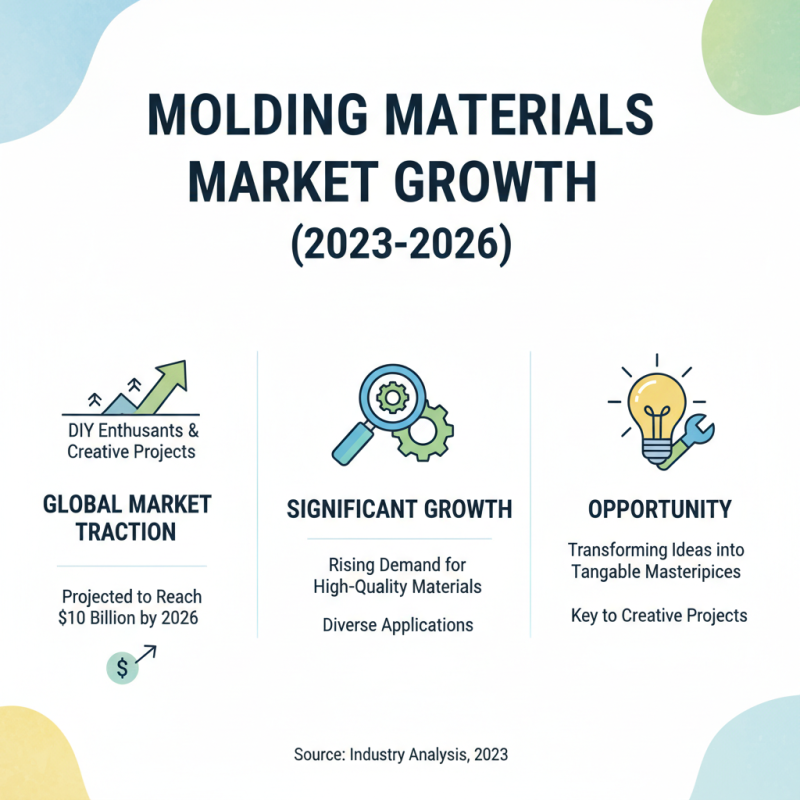
Molding continues to gain traction among DIY enthusiasts and creative project makers. As of 2023, the global molding materials market is projected to reach $10 billion by 2026, reflecting significant growth. This trend indicates a rise in demand for high-quality materials that cater to diverse applications. In this vibrant market, selecting the right products can transform an idea into a tangible masterpiece.
DIYers often look for versatile molding compounds. Silicone and polyurethane are leading choices for crafting intricate designs. These materials offer flexibility and durability. Recent industry reports highlight that silicone rubber accounts for over 40% of the molding segment. Still, some users face challenges in achieving the desired finish. Issues like bubbles and uneven surfaces often require additional skill and patience.
Moreover, the variety of available colors and additives can enhance creativity. However, some products may not always perform as expected. For instance, inconsistent curing times can frustrate even experienced creators. It’s crucial to research and test different brands to find the right fit. Choosing the best materials ultimately depends on the project's specific needs and individual skill levels.
Tips for Choosing the Right Molding Items for Your Projects
Choosing the right molding items can make or break your creative projects. First, consider the material. Silicone molds are flexible and easy to work with. They can create intricate designs that are difficult with other materials. However, they may not provide the same durability as harder options. Think about what you want your final piece to look like.
Next, size and shape matter. Smaller molds allow for detailed work but can be time-consuming. Larger molds may speed up production but could lack detail. Weigh these factors carefully. Reflect on your capabilities and patience levels. It’s easy to underestimate the effort involved in larger projects.
Lastly, don’t overlook texture. Some molds offer smooth finishes, while others feature unique patterns. The choice will affect your project’s overall look. Consider trying out different molds before committing to one style. Experimentation can lead to unforeseen results, both good and bad. Embrace the imperfections; they can add character to your creations.
2026 Best Molding Items for Creative Projects and DIY Enthusiasts
| Item |
Material |
Best Use Cases |
Durability Rating |
Price Range |
| Silicone Molds |
Silicone |
Baking, Resin Casting |
High |
$10 - $30 |
| Wood Molding Tools |
Wood |
Carpentry, Model Building |
Medium |
$15 - $50 |
| 3D Printing Filament |
PLA, ABS |
Prototyping, Custom Designs |
Medium |
$20 - $40 |
| Flexible Molding Clay |
Polymer Clay |
Sculpture, Jewelry Making |
High |
$5 - $25 |
| Epoxy Resin Kits |
Epoxy |
Casting, Coating |
High |
$25 - $75 |