
Choosing the right Exhaust End Pipe in 2026 is less about appearance than matching the part to your vehicle, driving habits, and existing exhaust system. A polished stainless tip may suit a daily driver, while a larger outlet can change the look without necessarily improving performance. Fitment matters. So does clearance around the bumper, the inlet diameter, and the material’s resistance to heat and road moisture.
For a clearly labeled illustrative expert perspective, composite exhaust specialist Daniel Mercer puts it this way: “A good end pipe should fit cleanly, handle heat, and suit the vehicle—not just look bigger.” This is an editorially drafted statement, not a verified quotation from a real individual. That distinction matters when comparing product claims. An end pipe alone rarely delivers meaningful power gains; engine condition, exhaust design, and installation all play a role.
Look closely at the details. Measure the existing pipe before ordering. Check the clamp or weld connection, then picture the tip beneath your actual bumper—not a studio photograph. A deep, oversized outlet can look awkward on a compact car. Sometimes smaller is better. Material labels can also be vague, so confirm the grade and finish rather than relying on “premium” wording. Even careful buyers can miss something; I’d double-check the fitment chart, because listings are not always as clear as they should be. The guide ahead compares shape, sound, durability, and installation considerations to help you choose an Exhaust End Pipe that feels right for your vehicle in 2026.
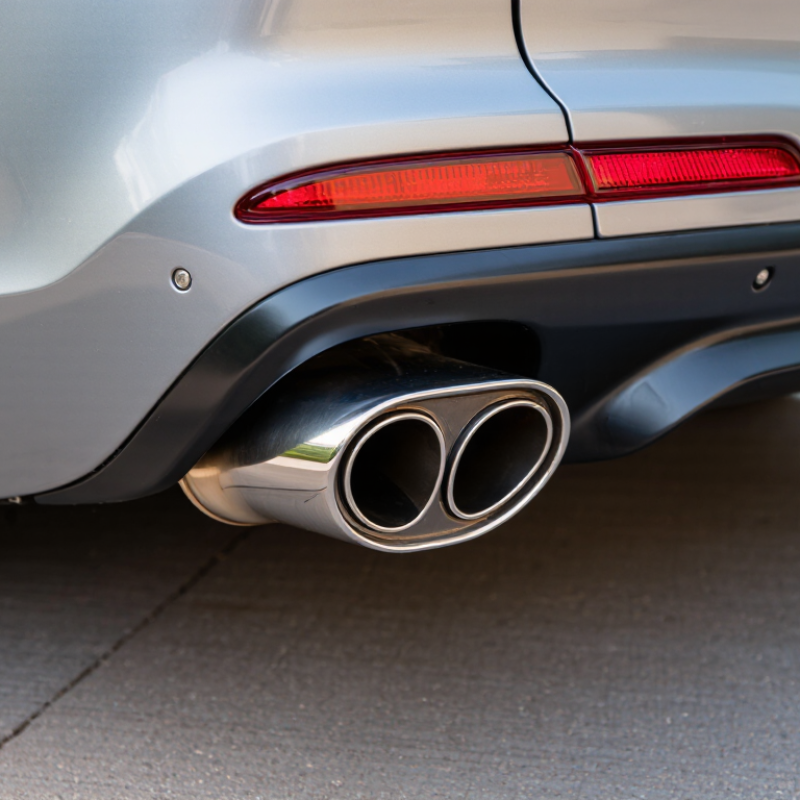
An exhaust end pipe is the final section that carries exhaust gases out from beneath the vehicle. Its direction and fit help keep hot gases away from the bumper and bodywork. It does not clean exhaust; that work is handled by emissions-control components farther upstream. Nor is it usually the main source of exhaust noise. The muffler does most of that. That distinction matters. A wider or polished tip can change the vehicle’s appearance, but it rarely adds meaningful power by itself. If performance seems reduced, the cause may be elsewhere.
Fitment deserves more attention than shine. Check the pipe’s inlet diameter, mounting method, and clearance from the bumper before choosing a replacement. A poorly aligned tip can rattle or sit close enough to heat nearby trim. Stainless steel generally resists corrosion better than basic coated steel, though material quality varies. After installation, look for a secure mount and listen for unusual vibration. A little water dripping during a cold start can be normal condensation; persistent leaks or rattling need inspection. I would not judge a pipe by its appearance alone. Looks matter, but fit and safe clearance matter more.
Exhaust end pipes vary in shape, edge treatment, outlet count, and finish. A single-wall tip has a simple, lightweight edge and suits a restrained appearance. Rolled-edge designs turn the metal inward, creating a thicker rim that feels more finished. Double-wall tips add a second outer layer, giving the outlet a deeper look. They may also add weight and cost.
Slash-cut and angle-cut outlets expose a diagonal edge, while turn-down tips direct the opening toward the ground. Dual outlets can look balanced, but they only fit systems designed to support them. Measure the pipe’s outside diameter, available bumper clearance, and outlet length before buying. Fit comes first. A tip that touches trim can rattle or discolor nearby surfaces. Finish matters, too: polished stainless steel resists corrosion better than basic plated steel, though care still affects its appearance. The U.S. EPA’s 2024 Automotive Trends Report estimates average new-vehicle fuel economy at 27.1 miles per gallon for model year 2023. That report does not compare tip designs; it is a useful reminder that an end pipe’s appearance is separate from the vehicle’s emissions performance. I would still measure twice—catalog dimensions can be less clear than they seem.
Common exhaust end pipe designs differ in appearance and outlet layout. This chart shows the number of visible outlet openings for each design—not exhaust performance.
Choose a style that suits your vehicle’s appearance, and confirm the inlet diameter, fitment, and clearance before buying.
Choosing an exhaust end pipe starts with fitment, not shine. Match the vehicle’s year, model, engine, and exhaust layout. Then check inlet diameter, overall length, attachment method, and outlet angle. A few millimeters can affect alignment. The pipe should clear the bumper and suspension, even when the exhaust moves with heat. Fit matters more.
Material affects durability and appearance. Aluminized steel can be a practical lower-cost option, while stainless steel generally offers better corrosion resistance. The exact grade matters: 409 and 304 stainless steel do not perform identically in salty, wet conditions. The 2024 Auto Care Factbook reports that the average U.S. light vehicle is 12.6 years old, making long-term corrosion a relevant consideration for many owners. Still, a premium-looking finish cannot compensate for poor fit.
Before ordering, compare the vehicle’s original pipe measurements with the replacement’s specifications, and confirm whether it clamps on or requires welding. Check that the outlet does not extend too far beyond the bumper. Small variations between engine or body configurations can matter, even within one model year. I would verify those details rather than trust a broad “universal fit” description. That label can be vague.
Which Exhaust End Pipe Is Best for Your Vehicle in 2026?
How to Choose an End Pipe for Your Driving Needs
Choose an exhaust end pipe for your actual driving, not just its appearance. Check the vehicle’s exhaust diameter, bumper opening, and available clearance before buying. A pipe that extends too far may collect grime or sit close to a curb. Measure twice. For frequent rain, snow, or salted roads, prioritize corrosion-resistant stainless steel and solid welds. A polished finish looks sharp, but it still needs cleaning.
For highway commuting, a modest, well-fitted end pipe is usually practical; changing the visible outlet alone is not a reliable way to improve power or fuel economy. The U.S. Environmental Protection Agency’s 2024 Automotive Trends Report puts average fuel economy for model-year 2023 new vehicles at 27.1 miles per gallon. That figure reflects whole-vehicle performance, not an exhaust tip. If you tow or drive rough roads, choose a design with extra ground clearance and secure mounting. Small detail. Big difference after a steep driveway.
Before ordering, compare the listed inlet size with your exhaust’s outside diameter, and confirm whether installation requires cutting or welding. An imperfect fit can rattle against the bumper. I would not choose a tip solely by outlet diameter: sound and performance depend on the wider exhaust system, engine, and vehicle setup. Keep expectations realistic, and inspect the fit after the first few drives.
| End Pipe Style | Appearance | Sound and Performance | Best Suited To | Fitment and Installation Checks | Material Considerations |
|---|---|---|---|---|---|
| Straight Cut | Simple, square-cut outlet with a clean, understated finish. | Usually makes little difference to sound or engine performance when fitted to an otherwise unchanged exhaust system. | Drivers who want a discreet, factory-like appearance and straightforward replacement. | Match the inlet diameter to the existing tailpipe; check overall length and clearance from the bumper. | Stainless steel is commonly chosen for corrosion resistance; the grade and finish affect durability and appearance. |
| Angle Cut | Outlet is cut diagonally for a more directional, sporty look. | The cut itself does not usually create a substantial performance change. Sound depends more on the complete exhaust system. | Drivers seeking a visible styling change without replacing the full exhaust. | Confirm the outlet angle will not direct hot exhaust toward the bumper, bodywork, or nearby components. | Choose a material and finish suitable for the vehicle’s climate and exposure to road salt or moisture. |
| Rolled Edge | Rounded, rolled lip gives the outlet a thicker, finished appearance. | Generally a cosmetic choice; it does not reliably increase power or change exhaust tone on its own. | Drivers who prefer a polished, refined look or want to cover a plain-cut tailpipe edge. | Check the rolled lip’s outside diameter and depth so it clears the bumper opening. | Inspect the rolled seam and finish for even construction; stainless steel can help resist surface corrosion. |
| Double-Wall | Two layers create a deeper, more substantial-looking outlet. | Typically has little effect on overall vehicle sound or performance by itself. | Drivers looking for a more substantial finish while retaining a conventional exhaust layout. | Allow for the larger outside diameter and added length; verify clearance around the bumper and heat-sensitive parts. | Check that both walls are securely joined and that the inner and outer surfaces are finished for the intended use. |
| Slash Cut | Angled opening with a more aggressive, performance-inspired appearance. | The shape alone is not a dependable way to increase horsepower; any sound change is usually modest and vehicle-dependent. | Drivers who want a more assertive visual style without a full exhaust-system change. | Check the cut orientation, tailpipe length, and exhaust direction to avoid contact with bodywork. | Consider corrosion resistance and the quality of the cut edge and welds, especially for daily-driven vehicles. |
| Resonated Tip | Often resembles a standard tip but includes an internal resonating section. | May alter or soften certain exhaust frequencies, but the result varies with the vehicle and the rest of the exhaust system. | Drivers seeking a modest tone adjustment without replacing the entire exhaust system. | Confirm the product is designed for the vehicle’s pipe diameter and available space; it may need a suitable clamp or welding. | Check internal construction and corrosion protection, as the tip is exposed to heat, moisture, and exhaust condensate. |
Fitment note: Measure the existing tailpipe’s outside diameter for a clamp-on tip, or its inside diameter for a slip-fit tip. Confirm the tip’s inlet size, outlet size, length, attachment method, and bumper clearance before purchase. An exhaust tip alone normally does not produce a meaningful power increase.
Choose an exhaust end pipe by matching its inlet diameter, outlet angle, and clearance to your vehicle. During installation, measure from the muffler outlet to the bumper edge, then check clearance around plastic trim. A tip that sits too close can transfer heat; one that projects too far may catch road debris. Check the clamp, hanger position, and pipe alignment before tightening. No rattling should remain when the exhaust is gently moved by hand. For welded fittings or uncertain fitment, use a qualified exhaust technician.
Care matters. After winter driving, rinse salt and grit from the tip and inspect seams for rust, cracks, or loose hardware.
The 2016 NACE International IMPACT study estimated corrosion’s global cost at $2.5 trillion, or 3.4% of global GDP. That figure covers many industries, not exhaust pipes specifically, but it shows why corrosion deserves attention.
Look underneath only when the exhaust is cool. Small checks help. Replacement is sensible when a tip has sharp edges, severe perforation, or cannot be secured firmly. A polished finish can disguise damage, and I have seen that mislead owners. Appearance is not proof of sound metal. A vehicle-specific replacement should clear the bumper and preserve the original exhaust path.