
Choosing the right Chicken Water Drinker can quietly improve flock health, daily labor, and water hygiene. A clean, accessible water source helps chickens maintain normal eating, digestion, and activity. Yet product descriptions often hide practical weaknesses. A large reservoir may reduce refilling, but it can become heavy and difficult to scrub. Nipple systems can keep water cleaner, although young birds may need time to learn them. Small details matter. A tilted cup, weak spring, or loose connector can waste water across the coop floor.
This guide examines 10 Best Chicken Water Drinkers for Global Buyers through practical poultry-care criteria. It considers capacity, material safety, cleaning access, leak resistance, installation, and suitability for different flock sizes. Climate also changes the decision. In hot regions, birds may need more frequent refills and shaded placement. In colder areas, exposed water lines may freeze or crack. Buyers should also check replacement parts, shipping conditions, and supplier support before ordering. Those points are easy to overlook. They should not be.
The best option is not always the most expensive one. A simple drinker may serve a small backyard flock better than an automated system. However, no product works perfectly without regular inspection. Even a reliable model needs cleaning, stable mounting, and fresh water. This comparison aims to provide clear, experience-based guidance while recognizing one uncomfortable truth: real farm conditions can differ from polished product claims.
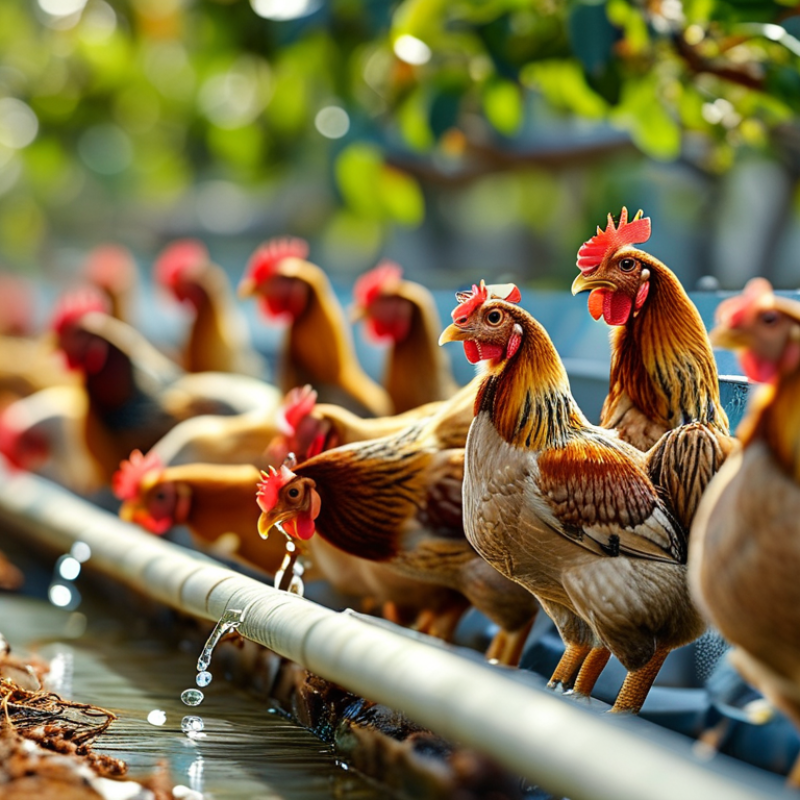
Chicken water drinkers differ in design, hygiene demands, and daily labor. Choosing the right type starts with flock size, housing, and local weather. Nipple drinkers release water when birds press a pin. They keep litter drier and suit enclosed coops with steady water pressure. However, young chicks may need guidance during their first hours. Watch closely. Cup drinkers fill when a valve opens. They are easier for small chicks to use, but bedding can enter the cup. Regular rinsing matters.
Bell drinkers distribute water across broad rims and work well for larger flocks. Many farms use automatic models connected to a clean, elevated tank. Gravity systems can work without electricity, although pressure must remain stable. In hot regions, shaded placement helps limit warm water and algae growth. In colder areas, exposed lines may freeze and stop access. Manual troughs remain useful for temporary pens, quarantine areas, or small backyard groups. They are simple, but spilled water quickly creates mud and bacterial risk.
In practical checks, I look for smooth edges, accessible height, and protected inlet lines. I also measure daily water use, because sudden changes may signal heat stress or illness. Yet no drinker stays clean by itself. Even a well-designed system needs inspection, flushing, and adjustment. I once favored capacity over access, and smaller birds paid the price. That mistake still shapes my recommendations.
Understanding chicken water drinker types and their uses
This comparison uses representative usable water capacities commonly found in poultry drinkers. Hanging and trough drinkers are suitable for larger flocks, while nipple, cup, pan, and bucket systems are useful for reducing spillage and keeping drinking water cleaner. Actual capacity varies by design and supplier.
When comparing chicken drinkers, start with flock size and refill habits. A small backyard flock may manage with a two-liter reservoir, while larger groups need several drinking points. Crowding creates wet litter and pushes weaker birds away. Watch closely. That reveals more than a product photograph. In practical farm checks, I look for steady access, not just advertised capacity.
Material affects hygiene, durability, and temperature control. Food-grade plastic is light and affordable, but thin walls can crack after repeated sun exposure. Stainless steel resists odors and scratches, although it may cost more and feel hot in direct sunlight. Check whether the drinking surface can be removed without tools. Narrow channels and hidden seams often collect feed dust, algae, and bedding. They are easy to miss. A smooth, open design usually makes daily rinsing faster.
Compare the water-delivery system carefully. Nipple drinkers reduce contamination when positioned at bird shoulder height, yet young chicks may need training. Cup systems are intuitive, but they can spill when birds perch nearby. Look for stable mounting, replacement parts, and instructions suited to your climate. In freezing regions, exposed water can become unusable overnight. In hot regions, shaded placement matters more than a larger tank. I have sometimes overvalued capacity and ignored cleaning time. That was a costly mistake.
| Rank | Drinker Type | Typical Capacity | Recommended Flock Size | Primary Material | Water Delivery | Key Features | Climate Suitability | Cleaning Effort | Indicative Price Range | Best Use Case |
|---|---|---|---|---|---|---|---|---|---|---|
| 1 | Automatic Nipple Drinker System | 10–30 L tank | 20–80 birds | Food-grade plastic, stainless-steel nipples | On-demand nipple valves | Low contamination Expandable line Water-saving | Most climates; protect from freezing | Moderate | US$25–90 | Medium and large backyard flocks |
| 2 | Hanging Bell Drinker | 3–12 L | 10–40 birds | UV-resistant plastic | Gravity-fed bell reservoir | Height adjustable Stable water flow Easy to refill | Indoor or sheltered outdoor use | Low | US$15–45 | Coops requiring cleaner floor space |
| 3 | Poultry Water Trough with Float Valve | Continuous supply | 30–150 birds | Galvanized steel or heavy-duty plastic | Float-controlled inlet | High capacity Automatic refill Suitable for fixed installation | Outdoor use; drain before freezing | Moderate to high | US$35–140 | Large runs and semi-commercial poultry areas |
| 4 | Heated Poultry Drinker | 2–8 L | 8–30 birds | Plastic with insulated or heated base | Gravity-fed reservoir | Reduces ice formation Thermostatic control Cold-weather focused | Cold and freezing climates | Moderate | US$35–100 | Winter housing with safe power access |
| 5 | Stainless-Steel Hanging Drinker | 2–5 L | 6–20 birds | Stainless steel with plastic handle | Gravity-fed cup or reservoir | Rust resistant Odor resistant Durable surface | Indoor and humid environments | Low to moderate | US$20–60 | Small flocks and hygiene-focused users |
| 6 | Poultry Drinking Cups with Reservoir | 5–20 L tank | 15–60 birds | Food-grade plastic, silicone seals | Triggered cup valves | Low splash Reduced bedding waste Simple installation | Most climates; shield from debris | Moderate | US$20–70 | Backyard coops using a gravity tank |
| 7 | Large Plastic Reservoir Drinker | 10–25 L | 25–100 birds | UV-stabilized polypropylene | Gravity-fed base | Long refill interval Lightweight Wide availability | Warm and temperate climates | Low | US$25–75 | Users prioritizing capacity and portability |
| 8 | Automatic Cup-Line Drinker | 10–50 L tank | 25–120 birds | Plastic line, stainless or polymer cups | Low-pressure cup valves | Multiple drinking points Low refill frequency Good flock access | Most climates; insulate exposed pipes | Moderate to high | US$45–160 | Long poultry houses and breeding areas |
| 9 | Poultry Drinker with Anti-Perch Guard | 3–10 L | 10–35 birds | Impact-resistant plastic | Gravity-fed reservoir | Keeps birds off the top Less fecal contamination Stable base | Indoor or covered outdoor use | Low to moderate | US$18–55 | Coops with cleanliness and spill concerns |
| 10 | Manual Trough Drinker with Splash Shield | 2–8 L | 6–25 birds | Polypropylene or galvanized steel | Open trough | Very simple design No plumbing required Easy visual inspection | Suitable for sheltered areas | Low, but frequent cleaning | US$10–40 | Small flocks and temporary housing |
Choosing the best chicken water drinker starts with flock behavior, not appearance. A small backyard flock may manage a shallow cup. Larger groups need several drinking points. Research-based poultry guidance commonly places water intake near 1.5–2 times feed intake. Hot weather can raise it to 2–3 times, according to commercial poultry management guides published in 2023 and 2024. Therefore, capacity alone is not enough.
For chicks, low-pressure nipple drinkers reduce drowning risks and keep bedding drier. Growing birds benefit from adjustable height and wider access. Laying hens need stable drinkers that resist tipping during daily movement. Free-range flocks need covered models, because soil, feathers, and insects quickly contaminate open bowls. In my experience, nipple systems stay cleaner, but some birds need training. That small delay is easy to underestimate. Automatic systems save labor, although blocked valves can leave a flock without water.
Tips: Place drinkers at back height, then raise them as birds grow. Provide at least two water points for a social flock. Check flow before sunrise and again during hot afternoons. Clean containers daily when using open bowls. USDA APHIS biosecurity guidance emphasizes clean water equipment and frequent sanitation. A 2022 poultry water-quality review also links microbial contamination with poorer flock performance, although farm conditions vary. This is where product rankings can mislead. The “best” drinker may still fail when pressure, height, or cleaning routines are wrong.
Global buyers should treat chicken water drinkers as production equipment, not simple containers. The USDA Foreign Agricultural Service projected global chicken-meat production above 100 million tonnes in its 2024 World Markets and Trade report. FAO data also shows poultry forms a major share of worldwide meat output. That scale increases demand for dependable, easy-to-clean watering systems.
Material choice affects service life. Food-contact polypropylene or HDPE suits many warm climates and resists corrosion. Stainless steel handles repeated washing well, but may raise landed costs. UV exposure can weaken cheaper plastics. I would request material certificates, wall-thickness details, and cleaning instructions before ordering. Do not trust appearance alone. Some polished parts still fail at the threads.
Size must match bird age, flock density, and refill frequency. A small cup may work for chicks but create queues in a growing flock. Nipple systems can reduce litter contamination when height and pressure are adjusted correctly. Industry management guidance commonly places poultry water use near 1.5–2 litres per kilogram of feed, although heat can push consumption higher. Buyers should calculate peak demand, not average demand.
Compatibility is often the overlooked risk. Check pipe diameter, thread standards, inlet position, pressure range, and spare-part availability. Metric and imperial fittings are not automatically interchangeable. A low-cost adapter can leak overnight. I have found that a short installation trial exposes more problems than a long product description. The imperfect part is planning for replacement, because seals, valves, and cups will eventually wear.
For global buyers, a reliable chicken waterer begins with correct installation. Choose nipple, cup, or bell systems according to flock size and housing design. Mount drinkers at bird shoulder height, then adjust them as chickens grow. Poor height causes wet litter and unnecessary water loss. Commercial poultry guidance commonly reports 1.6–2.0 litres of water per kilogram of feed under moderate temperatures. Heat can increase demand sharply. The FAO Poultry Development Review identifies clean, accessible water as a basic production requirement.
Clean the system before placing birds inside. Flush new lines to remove plastic particles and installation debris. Inspect nipples and cups every day for leaks, blockage, or weak flow. Remove visible residue with a suitable cleaning method, following the product label and local rules. USDA APHIS biosecurity guidance stresses routine cleaning and disinfection because organic matter can reduce disinfectant performance. I have found that irregular flushing is an easy mistake, especially in long water lines. It often looks harmless until biofilm appears.
Tips: Keep a spare drinker nearby. Test water quality at least annually, and more often when well water changes. Check pressure at the farthest outlet, not only near the tank. Record leaks and cleaning dates. Hard water may leave white scale, while warm water can encourage microbial growth. No schedule fits every farm. Observe the flock, measure consumption, and adjust carefully.