7 Best Aerosol Chamber Spacer Suppliers for Global Buyers
The search for a reliable Aerosol Chamber Spacer supplier starts with a practical question: can each unit perform consistently, shipment after shipment? The World Health Organization’s asthma fact sheet reports that asthma affected an estimated 262 million people and caused 455,000 deaths in 2019. Those figures describe a significant respiratory-health burden, not demand for any single device. Still, they underline why dependable inhalation-care products matter. Access matters, too. WHO Director-General Dr. Tedros Adhanom Ghebreyesus stated, “It is totally unacceptable that people are dying because of lack of access to the most basic asthma medicines.” His remark concerns medicine access broadly, but it offers useful context for buyers assessing respiratory-care supply chains.
Details matter. A polished catalogue cannot replace evidence. Global buyers should compare suppliers’ material specifications, dimensional consistency, product testing, packaging protection, production capacity, and quality documentation. They should also confirm that the chamber design suits the intended inhaler and user group. A good-looking sample is only a start. Ask how suppliers manage batch variation and protect products during long-distance transit; these details can be easy to overlook. This guide to 7 Best Aerosol Chamber Spacer Suppliers for Global Buyers provides a structured starting point for that review. It focuses on verifiable capabilities rather than broad promises, while recognizing that supplier suitability depends on each buyer’s technical requirements, market, and purchasing volume. No supplier is right for every order.
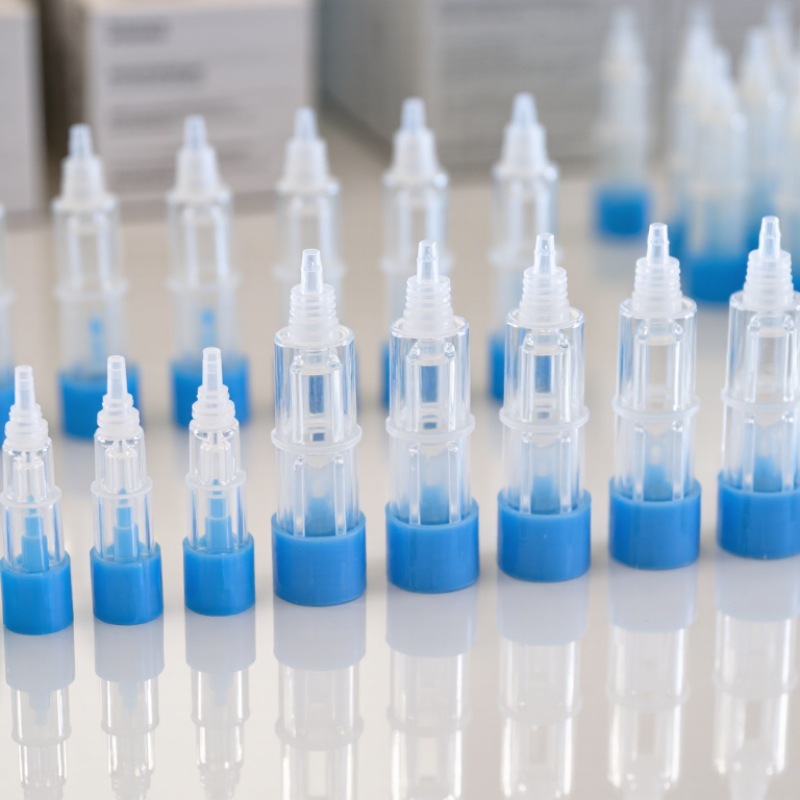
What an Aerosol Chamber Spacer Is and How It Supports Inhaler Use
An aerosol chamber spacer is a hollow attachment that connects to a compatible metered-dose inhaler. It holds the released mist briefly, giving the user more time to breathe it in. This can make timing easier, especially for children or people who find pressing and inhaling together difficult. The chamber does not create medicine or replace the inhaler. It changes how the aerosol is delivered.
Small details matter. A user fits the inhaler into one end and places the mouthpiece or mask securely. After the inhaler is activated, they breathe in through the chamber as directed by its instructions. Some designs use a valve that moves with each breath. A loose seal, blocked valve, or damaged chamber may affect use. Check the parts before use, and follow guidance from a healthcare professional.
Not every spacer fits every inhaler. Buyers should check connection dimensions, material information, valve performance, and cleaning instructions before selecting a supplier. Clear documentation helps clinics and distributors compare products without relying on appearance alone. A chamber should be cleaned and dried as its instructions specify; residue can build up. It is easy to assume all models work alike. They do not, and real-world handling can reveal issues that a product sheet misses.
Key Criteria for Evaluating Global Aerosol Chamber Spacer Suppliers
Global buyers should assess aerosol chamber spacer suppliers on more than price and delivery promises. The WHO’s 2024 asthma fact sheet reports 262 million people had asthma in 2019. This scale makes dependable respiratory-device supply important, but it does not prove a supplier’s product quality. Request evidence for material safety, chamber dimensions, valve function, and mask fit. Ask how each feature is tested across production batches.
Review quality-system records, risk controls, traceability, and change-notification procedures. ISO 13485 certification can support confidence in a supplier’s quality processes, but it does not replace product-specific verification. Seek test methods and acceptance limits, not just a certificate. Check whether samples perform consistently after transport and storage. Packaging details matter; a cracked chamber or missing component can undermine an otherwise sound order. One scorecard will not capture every risk.
Tip: Compare samples from multiple batches. Confirm tolerances in writing, and ask who investigates defects. A polished audit is useful, but it cannot guarantee every shipment will be perfect. Reflect on the supplier’s response to a difficult question; hesitation may reveal gaps worth checking.
Profiles of Seven Aerosol Chamber Spacer Suppliers for Global Buyers
A useful review of seven aerosol chamber spacer suppliers should compare capabilities, not just catalog photos. One supplier may focus on molded polymer housings, while another specializes in inhalation-device components. A cleanroom molder may suit buyers with tighter handling requirements. A precision toolmaker can support custom geometry and repeatable fit. An OEM partner may coordinate design changes and production. A regional distributor can simplify local communication and replenishment. An export-focused manufacturer may offer broader shipping experience. These are supplier profiles, not endorsements; capabilities vary by facility and project.
Ask each candidate for material specifications, dimensional tolerances, inspection methods, and sample availability. For example, check whether the spacer seats evenly against the chamber and whether edges feel smooth to the touch. Request documented quality procedures and clarify how production changes are approved. Compare lead times, minimum order quantities, packaging, and after-sales support in writing. A polished sample is useful, but it cannot prove consistent production. I would verify this point with a small, defined evaluation order before scaling.
Tips: Share a drawing and intended use early. Ask suppliers to identify assumptions, not hide them. Details matter. If test results or certificates are offered, confirm their scope and date; paperwork alone does not establish fit or performance.
Comparing Supplier Products, Certifications, and International Reach
For global buyers, spacer selection is not just a price comparison. Compare chamber volume, valve performance, mask sizes, material compatibility, and cleaning instructions. Ask suppliers for test reports tied to the exact model, not a generic product family. Look closely.
Quality evidence matters. ISO 13485 certification can indicate a medical-device quality management system, but it does not prove every spacer performs equally. Ask whether design verification follows ISO 20072, and review the actual test scope. The WHO’s 2024 asthma fact sheet reports an estimated 262 million people had asthma in 2019, with 455,000 deaths. This burden makes dependable delivery devices important, though the figure alone does not establish demand for any supplier’s product. Specs matter.
International reach needs practical checks. Confirm which regions a supplier currently serves, whether documents and labeling can be adapted, and how complaints or replacement parts are handled. Request recent export references and typical lead times; a broad distribution map may hide uneven local support. Also compare packaging durability: crushed cartons can damage valves before products reach clinics. Certification claims deserve verification with issuing bodies. Some details are easy to overlook, including cleaning instructions translated for end users. A supplier may meet a standard on paper, yet leave buyers with unanswered questions about real-world use.
These dated standards and regulatory milestones can help global buyers frame supplier due diligence. They are reference dates, not claims that any supplier holds a certification or that every requirement applies to every spacer product. Confirm scope and current status directly with each supplier.
How to Verify and Select a Supplier for Your Market
For global buyers, supplier checks should begin with the intended market and device use. The World Health Organization’s 2024 asthma fact sheet reports that 262 million people had asthma in 2019. That figure signals broad need, not guaranteed demand for any one spacer. Ask suppliers for documented manufacturing controls, material specifications, lot traceability, and test results for fit, leakage, and repeated use. Request sample units from routine production, not just polished demonstration pieces.
Check whether the supplier’s verification methods match recognized guidance. ISO 20072:2009 sets design-verification requirements and test methods for aerosol drug-delivery devices; ask for a clear explanation of applicable tests and results. The Global Initiative for Asthma’s 2024 strategy discusses using a spacer with a pressurized metered-dose inhaler. Confirm compatibility with the inhaler types and patient groups you serve, including children if relevant. A vague compatibility claim is not evidence.
Evaluate practical performance, too. Ask how the supplier controls dimensional variation, cleans and packages components, and investigates failed batches. Review audit records, change-control procedures, and corrective-action examples. Check lead times against actual production capacity, and confirm that labels and technical documents can be supplied in the languages your market needs. That sounds straightforward. It often isn’t. A neat sample can hide inconsistent production, and I would want to see real batch records before relying on it.