7 Tips for Choosing Shilajit Extract Suppliers
Choosing a Shilajit Extract supplier is not just a price comparison. It is a check on identity, consistency, and proof. A polished website can show amber resin in a glass jar, but it cannot verify what is inside. Ask for a batch-specific certificate of analysis, testing details, and clear information about sourcing and processing. Check whether the supplier explains how it assesses heavy metals, microbes, and other contaminants. Look closer. A certificate with no batch number or testing laboratory leaves important questions unanswered.
Shilajit researcher Dr. Shibnath Ghosal’s published work offers a useful reminder, paraphrased: judge the material by evidence about its composition, not by reputation alone. That principle guides this outline’s seven tips, from checking traceability and testing to reviewing documentation and supplier communication. Request records before placing a large order. Compare answers, not just prices. A reliable supplier should explain its specifications in plain language and provide consistent documents for each batch. If claims sound sweeping or the evidence feels thin, pause. Even careful buyers can miss details when timelines are tight; this is a point worth revisiting, not a box to tick once.
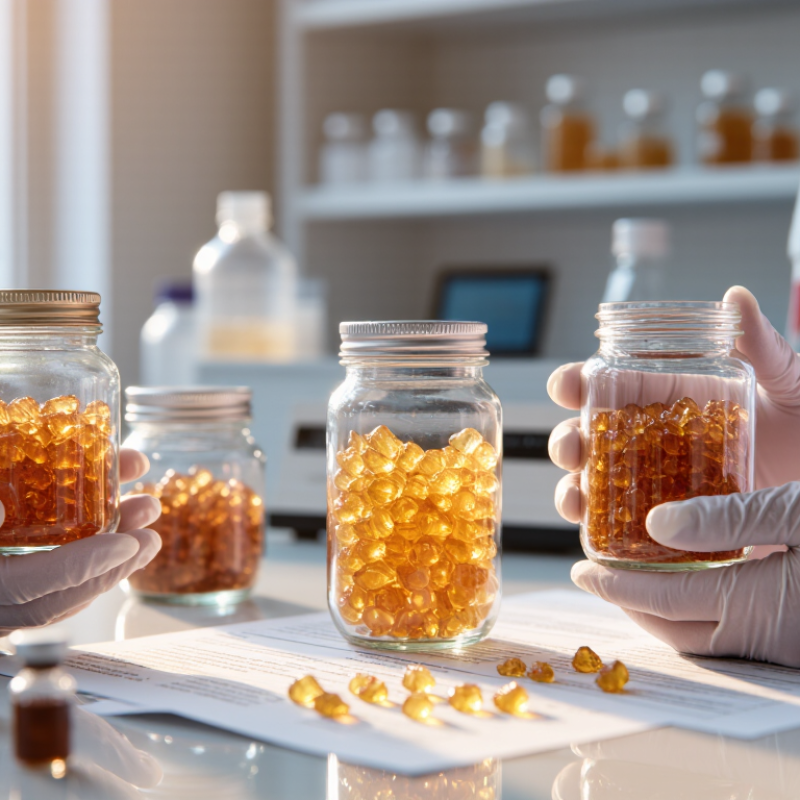
Understand Shilajit Extract Types and Product Specifications
Understand Shilajit Extract Types and Product Specifications
Shilajit is sold as resin, powder, and capsules, but format alone does not define quality. Resin is sticky and dark; powder is easier to weigh and blend. Each format may use a different extraction or purification process. Ask suppliers how the material is processed and whether the stated extract ratio has a clear basis. A label can look precise while leaving important details unclear.
Tip: Compare specifications line by line. Check the declared shilajit content, serving size, and any standardization marker, such as fulvic acid. Ask how that marker was measured. Request a recent, lot-specific certificate of analysis, not just a sample document. It should identify test methods and report results for identity, heavy metals, and microbial quality. Details matter.
Specifications should match the product you plan to buy. A powder intended for blending may need different handling information than a resin. Confirm moisture limits, storage conditions, packaging, and shelf-life data. Ask whether testing is performed by an independent laboratory, and verify that the report matches the lot number on the shipment. Some documents are hard to interpret; request clarification rather than guessing. A careful supplier should explain what each result means without promising effects the data cannot establish.
7 Tips for Choosing Shilajit Extract Suppliers: Product Safety Specifications
Use contaminant testing as one part of supplier qualification. The chart shows USP <2232> permitted daily exposure limits for oral dietary supplements; these are not shilajit-specific limits. Ask suppliers for batch-specific certificates of analysis and confirm the applicable requirements in your market.
Verify Supplier Credentials and Manufacturing Standards
A supplier’s polished website proves little. Ask for current manufacturing certificates, the issuing body, site address, scope, and expiry date. Confirm details directly with the certifier when possible. A certificate for a different facility or product category is not enough. Request the quality system behind it: written batch records, documented cleaning, staff training, deviation handling, and traceability from raw material to finished extract. Good paperwork should match the actual production site.
The Council for Responsible Nutrition’s 2024 Consumer Survey reported that 75% of U.S. adults use dietary supplements. That figure describes consumer use, not shilajit quality, but it shows why supplier checks matter. For each batch, request a certificate of analysis from an independent laboratory. Check that it names the batch and reports identity, heavy metals, and microbiological results, with methods and limits shown. Ask how the lab verifies shilajit identity and whether the report can be confirmed with the lab. I would not accept a generic “tested” statement. It can sound reassuring while leaving basic questions unanswered. Review audit dates, too; an old certificate may not reflect today’s practices. Keep a record of answers, documents, and unresolved gaps. One awkward detail: suppliers may use different test methods, so compare methods and limits before comparing results.
Review Testing Methods and Quality Documentation
A supplier’s testing claims are only useful when the methods and results are clear. Ask for a certificate of analysis tied to the exact production batch, not a generic sample. It should report identity, concentration or marker compounds, moisture, microbial results, and relevant contaminants such as lead, arsenic, cadmium, and mercury. For metals, ask whether the laboratory uses a suitable method such as ICP-MS. The method should match the substance being measured.
Check who performed each test and whether the laboratory’s accreditation covers that work. A polished document is not proof by itself. Compare the batch number on the certificate with the product label, and check dates, units, detection limits, and pass criteria. That matters. If results are listed only as “pass,” request the actual values and testing method. Ask how samples are collected and whether testing is independent; a supplier should be able to explain this without relying on vague assurances. Keep asking.
Review supporting records for raw-material origin, extraction controls, and traceability between lots. These details help identify gaps, though paperwork cannot replace sound manufacturing or independent review. A missing record may have a reasonable explanation, but it deserves a specific answer.
Compare Pricing, Communication, and Ongoing Support
When comparing shilajit extract suppliers, look beyond the price per kilogram. Ask for a landed-cost quote that includes testing, packaging, shipping, and any minimum-order fees. Small charges add up. Request a current specification sheet and batch-specific certificate of analysis, with identity and contaminant test results. Check which methods were used and whether an independent laboratory performed the tests. A polished PDF is not proof of consistent quality. Ask for a recent batch record, too.
Communication matters after the sample arrives. McKinsey’s 2024 B2B Pulse reported that 71% of buyers expect personalized interactions, while 76% feel frustrated when those interactions are absent. The survey covers B2B buying broadly, not shilajit suppliers specifically, but it underscores the value of responsive support. Ask who handles technical questions, how quickly they respond, and how they notify customers about delays or specification changes. Get it in writing. A supplier’s answer about a failed test can be more revealing than a sales call. I would also compare support after the first order; it is easy to overlook when evaluating a neat quote.