Top 2026 Trends in Plastic Parts for Industries and Innovation?
The evolution of plastic parts is crucial for various industries. They enhance efficiency and design flexibility. In 2026, trends in plastic components are expected to reshape markets. Sustainable practices in manufacturing are a big focus. Businesses are exploring bioplastics and recycling solutions.
Technological advancements drive innovation in plastic parts. 3D printing allows for customized designs at scale. It enables quicker prototyping, reducing time-to-market. However, the industry faces challenges. Overreliance on specific materials can limit creativity.
Consumer preferences also influence plastic parts trends. Eco-friendly options gain popularity. Yet, some manufacturers might struggle to keep up. This creates an opportunity for change and adaptation. As we look into 2026, understanding these dynamics is essential for growth.
Emerging Materials and Technologies Enhancing Plastic Part Manufacturing
The landscape of plastic part manufacturing is rapidly evolving. Emerging materials are at the forefront of this shift. For instance, bioplastics are gaining popularity. They offer eco-friendly alternatives to traditional plastics. According to a recent industry report, the global bioplastics market is projected to reach over $20 billion by 2026. This growth reflects a strong push for sustainable practices in manufacturing.
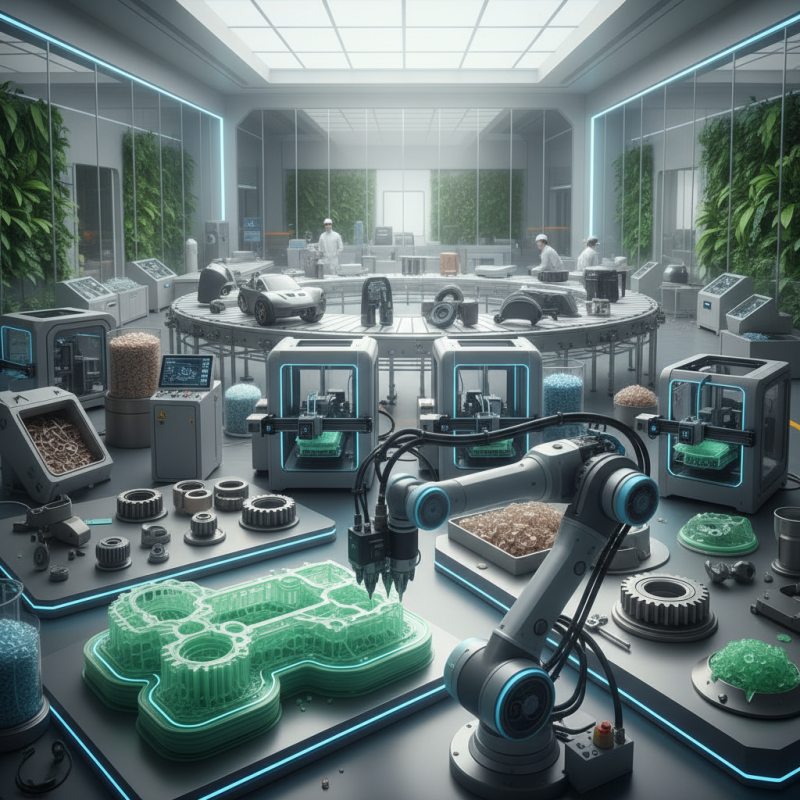
Technological advancements are also driving innovation. Techniques such as 3D printing are revolutionizing production. This allows for rapid prototyping and reduces waste. Data indicates that 3D printing has increased production speed by nearly 50% in some sectors. However, the reliance on this technology raises concerns about quality control. Not every design translates well to 3D processes.
Furthermore, materials like thermoplastic elastomers (TPE) are enhancing flexibility in product design. These materials can withstand extreme temperatures and stress. Nevertheless, manufacturers face challenges in sourcing consistent raw materials. This inconsistency can lead to quality discrepancies in final products. As industries adopt new technologies, continual assessment will be crucial for success.
Sustainability Trends Driving Innovation in Plastic Industries
Sustainability is reshaping the plastic industry in numerous ways. Innovative materials are now being developed from renewable resources. Many companies are exploring bioplastics, which offer a more environmentally friendly alternative. These materials can reduce carbon footprints significantly, yet challenges remain in their widespread adoption. Production costs can still be high, which limits their use in certain applications.
Another trend involves recycling technologies. Improved processes make it possible to repurpose plastic waste efficiently. For instance, chemical recycling can break down plastics to their original monomers. This method shows promise, but it requires substantial investment and technology refinement. Additionally, many consumers are still not fully aware of these advancements. Education plays a crucial role in driving acceptance within the market.
Finally, the shift toward a circular economy is gaining momentum. Companies are being encouraged to design products for longevity and recyclability. However, this is not without its difficulties. Many designs do not cater to easy disassembly or recycling. Consequently, the industry faces a significant challenge in balancing innovative design and sustainability goals. It's clear that while progress is being made, there are obstacles that warrant deeper reflection and action.
Smart Manufacturing: The Role of Automation in Plastic Part Production
The integration of smart manufacturing in plastic part production is transforming the industry. Automation plays a crucial role in enhancing efficiency and reducing waste. According to a report by Allied Market Research, the global automation market in manufacturing is expected to exceed $300 billion by 2026. This indicates a growing trend, as companies realize the benefits of automated processes.
Automated systems can significantly reduce production time. For example, robotic arms can assemble parts faster than human workers. However, this shift towards automation is not without challenges. Companies often face high initial investment costs. Moreover, there is a growing skill gap, as existing workers may need further training to operate new technology. Research indicates that nearly 54% of workers fear automation might replace their jobs.
Despite these concerns, some industries embrace automation to remain competitive. Real-time monitoring and data collection improve quality control. This leads to fewer defects and increased customer satisfaction. However, the reliance on technology raises questions. What happens when systems fail? Ensuring redundancy and safeguards is essential to avoid costly downtimes. Balancing automation with human oversight is key to a successful manufacturing strategy.
Top 2026 Trends in Plastic Parts for Industries and Innovation
| Trend |
Description |
Impact on Industries |
Role of Automation |
| Sustainable Materials |
Increasing use of biodegradable and recycled plastics. |
Reduction in environmental impact and compliance with regulations. |
Automated sorting and processing of materials for sustainability. |
| 3D Printing |
Innovative production method allowing for complex designs. |
Facilitation of rapid prototyping and customization. |
Use of automated systems to streamline the 3D printing process. |
| Smart Sensors |
Integration of IoT sensors in plastic parts for real-time data. |
Enhancement of product monitoring and maintenance schedules. |
Automation of data collection and analysis for improved efficiency. |
| Lightweight Materials |
Development of lighter plastics for various applications. |
Improved fuel efficiency in automotive and aerospace applications. |
Automated processes for testing and validating material properties. |
| Integrated Manufacturing |
Streamlining processes from design to production. |
Increased efficiency and reduced lead times for production. |
Automation of workflow across different manufacturing stages. |
Applications of 3D Printing in Creating Plastic Components
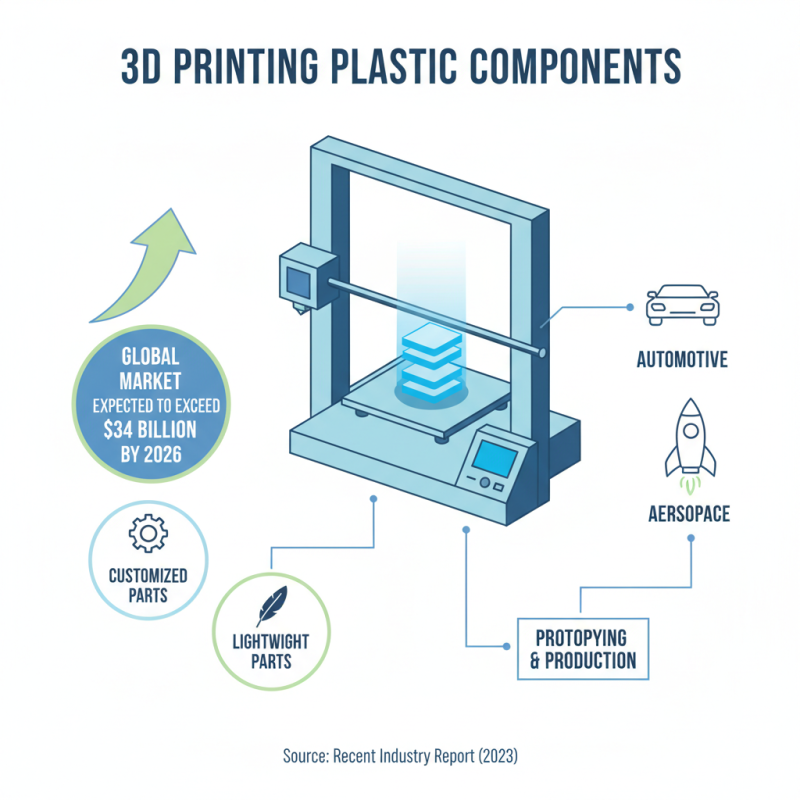
3D printing is revolutionizing the production of plastic components across various industries. According to a recent report, the global 3D printing market is expected to exceed $34 billion by 2026. This growth is driven by the increasing demand for customized and lightweight plastic parts. Industries such as automotive and aerospace are leveraging this technology for prototyping and production.
The ability to create complex geometries is a key advantage of 3D printing. For instance, unique designs that were once impossible are now realizable. However, some manufacturers face challenges with material durability. While 3D-printed parts can be lightweight, their mechanical properties often lag behind traditionally manufactured components. Industry reports indicate that nearly 40% of companies encounter issues with material strength.
Sustainability is another area of concern. Many 3D printing processes generate waste. Yet, innovations are on the horizon. Biodegradable plastic options are becoming more popular, aligning with environmental needs. The industry must improve processes and materials to truly realize the potential of 3D printing. As trends evolve, adapting to these challenges will shape the future of plastic parts in manufacturing.
Market Dynamics: Future Demand for Plastic Parts Across Sectors
The demand for plastic parts is set to surge across various sectors by 2026. Many industries rely on plastic components for their durability and versatility. A recent market report estimates that the plastic parts market will reach $650 billion globally by 2026, driven by advances in technology and innovative manufacturing processes.
The automotive and aerospace sectors are primary contributors to this growth. Both sectors are moving towards lightweight materials to enhance fuel efficiency. By 2025, the use of plastic components in vehicles is projected to rise by 15%. This trend signifies a pivotal shift as companies aim to balance performance and environmental considerations. However, concerns about the sustainability of plastic production can complicate this narrative.
Consumer electronics also play a crucial role. With the market expected to grow at a CAGR of 8%, the demand for intricate plastic parts will continue increasing. Yet, manufacturers face challenges regarding waste management and recycling efficiency. While innovation in this area is promising, achieving harmony between advances in plastic manufacturing and environmental stewardship remains a pressing issue.
Market Trends in Plastic Parts for Industries by 2026