Global buyers entering 2026 need more than attractive catalogs. They need molding items that match production volume, material behavior, compliance duties, and delivery conditions. Grand View Research identifies plastic injection molding as a major global manufacturing market, supported by demand from automotive, medical, electronics, and consumer goods sectors. Its market analysis also indicates steady growth through 2030. That growth creates opportunity, but it increases supplier comparison pressure.
Injection molding remains suitable for precise housings, caps, connectors, and complex technical parts. Blow molding serves bottles, tanks, and lightweight containers. Compression molding fits thermoset components and rubber products. Rotational molding supports large, hollow parts with relatively low tooling costs. Thermoforming can reduce entry barriers for trays, panels, and packaging structures. Each option leaves a different mark on cost, strength, surface finish, and production speed.
The numbers matter.
PlasticsEurope’s Plastics—The Facts 2024 report shows Europe produced approximately 54 million tonnes of plastics in 2023, despite economic pressure. The report also highlights recycling and circularity as continuing industry priorities. Meanwhile, the OECD Global Plastics Outlook warns that unmanaged plastic waste could rise sharply without stronger system-wide action. Therefore, responsible purchasing of molding items should include resin traceability, recycled-content verification, factory audits, and end-of-life planning. ISO 9001 quality systems and applicable product standards can provide useful evidence, not automatic guarantees. A recycled resin may look perfect in a sample and still behave differently during long production runs. Forecasts are not purchase orders. This guide compares the best types of molding items for global buyers in 2026, while recognizing that the cheapest mold is rarely the cheapest complete solution.
2026 Best Types of Molding Items for Global Buyers
What Molding Items Are and Why Global Buyers Need Them
Molding items are tools and finished components shaped through controlled pressure, heat, or material flow. They include injection molds, compression molds, blow molds, silicone molds, and molded plastic or rubber parts. Each type serves a different production need. Injection molds suit detailed housings, caps, and industrial components. Blow molds create hollow products such as containers. Compression molds work well with rubber, silicone, and heat-resistant materials.
Global buyers need molding items because they support consistent production across factories and markets. A properly designed mold can produce thousands of matching parts with stable dimensions. This reduces manual trimming, material waste, and quality disputes between suppliers. Buyers also use molds to develop custom products without changing the entire manufacturing process. Small details matter. Cooling channels, draft angles, cavity balance, and surface texture can affect both cost and performance.
Reliable sourcing requires more than checking a sample. Buyers should review mold steel, expected cycle life, tolerance records, maintenance plans, and inspection methods. Regional regulations may also require material declarations, product testing, or traceable documentation. A mold can look excellent and still wear too quickly. That is an easy mistake to overlook. Practical buyers request trial-run data, confirm ownership terms, and examine several production samples before approval. The cheapest tooling option may create higher costs through repairs, delays, and inconsistent parts. Depth matters.
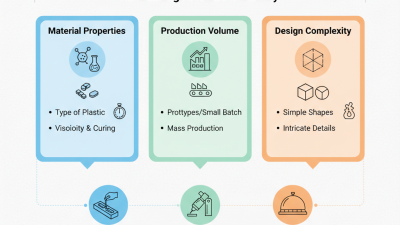
Molding items are best classified by material, process, and application. Common materials include thermoplastics, silicone, rubber, aluminum, and fiber-reinforced composites. Each material behaves differently under heat, pressure, moisture, and repeated use. For example, polypropylene suits lightweight containers, while silicone supports flexible seals and heat-resistant parts. Material certificates and tested samples help buyers verify consistency.
The molding process should match the product’s geometry and order volume. Injection molding fits detailed plastic parts and large production runs. Compression molding works well for rubber components and thicker shapes. Blow molding creates hollow bottles, while rotational molding produces durable tanks and large shells. Thermoforming can reduce tooling costs for shallow panels. I have seen buyers choose a process too quickly, then face warping, flash, or uneven wall thickness. That mistake is expensive. Design review matters.
Tips: Compare tolerance, surface finish, cycle time, tooling life, and expected quantity before requesting quotes. Ask for a drawing review and a trial sample. Also check packaging, inspection records, and material traceability. Application changes the decision: food-contact packaging needs documented suitability, automotive parts require stable dimensions, and outdoor products need resistance to sunlight and temperature shifts. A low unit price may hide higher maintenance or replacement costs. Reflect on the complete service life, not only the first shipment.
Global buyers should match molding items with material, tolerance, volume, and working environment. Automotive programs often need injection molded clips, air ducts, lighting housings, and protective covers. These parts must resist heat, vibration, oil, and repeated assembly. A mold trial should check warpage, weld lines, flash, and fit under real temperature cycles. Small defects become expensive on a moving production line.
Industrial buyers may choose compression molded seals, custom gaskets, cable guides, and machine guards. Elastomer items need controlled hardness and stable dimensions. Reinforced thermoplastic housings can reduce corrosion and maintenance in demanding equipment. However, each application differs. A general rule can mislead.
Tips: Define annual volume, part weight, tolerance, resin, finish, and testing before requesting quotations. Request pilot samples made with production tooling. Check cavity balance, dimensional reports, material certificates, and a clear maintenance plan. Do not skip the boring details. Consumer products often use molded handles, storage parts, appliance panels, and small enclosures. Appearance matters, but tactile feel and easy assembly matter too. Use texture to manage minor marks, not to hide weak process control. Packaging also matters. A perfect part can arrive scratched. From practical sourcing experience, the lowest tooling price can create costly variation later. I still question that assumption on every project.
| Molding Item / Product Type | Primary Molding Process | Common Materials | Best-Fit Market | Typical Applications | Main Strengths | Key Limitations | Typical Production Volume | Global Buyer Considerations |
|---|---|---|---|---|---|---|---|---|
| Automotive Interior and Exterior Trim | Injection molding; insert molding; overmolding for soft-touch surfaces | Polypropylene (PP), ABS, PC/ABS, thermoplastic elastomers (TPE) | Automotive | Door panels, instrument-panel components, center consoles, grilles, pillar trim and protective covers | High repeatability, complex geometry, good surface finish, lightweight construction and efficient high-volume production | Tooling investment can be high; material selection must address heat, UV exposure, odor and dimensional stability | Medium to very high volume | Confirm flammability, VOC or odor requirements, dimensional standards, color consistency and traceability requirements |
| Electrical and Electronic Enclosures | Injection molding; compression molding for selected thermoset parts | ABS, polycarbonate (PC), nylon (PA), glass-filled polymers and thermoset compounds | Industrial Consumer | Control boxes, sensor housings, power-supply covers, junction boxes and handheld-device shells | Electrical insulation, impact resistance, repeatable wall thickness and the ability to integrate ribs, bosses and snap-fits | Potential warpage, sink marks and electromagnetic compatibility issues; some applications require flame-retardant grades | Medium to high volume | Specify ingress protection, flame rating, operating temperature, shielding needs and local electrical compliance requirements |
| Industrial Machine Guards and Structural Housings | Injection molding; rotational molding for large hollow parts; compression molding for composite structures | HDPE, ABS, glass-filled nylon, reinforced polypropylene and fiber-reinforced composites | Industrial | Machine covers, safety guards, pump housings, ventilation components and equipment cabinets | Good impact resistance, corrosion resistance, lower weight than metal and design flexibility for integrated mounting features | Large parts may require substantial tooling; load-bearing performance and long-term creep must be evaluated | Low to high volume, depending on process | Review load cases, chemical exposure, safety-guard requirements, wall thickness and transportation dimensions |
| Seals, Gaskets and Flexible Protective Parts | Compression molding; transfer molding; liquid silicone rubber injection molding; rubber injection molding | Silicone rubber, EPDM, NBR, fluorocarbon rubber and thermoplastic elastomers | Automotive Industrial | O-rings, weather seals, vibration isolators, cable grommets, valve diaphragms and fluid-system seals | Elastic recovery, sealing performance, vibration control and resistance to selected temperatures, oils or weathering | Performance is highly dependent on compound selection, compression set, flash control and surface condition | Low to very high volume | Define media compatibility, temperature range, hardness, compression set, cleanliness and relevant sealing standards |
| Medical and Laboratory Molded Components | Injection molding; insert molding; silicone molding; micro-injection molding | Medical-grade polypropylene, polyethylene, polycarbonate, nylon, thermoplastic elastomers and silicone | Industrial Consumer | Fluid-handling components, laboratory consumables, diagnostic-device housings, caps, trays and disposable fittings | High dimensional consistency, cleanable surfaces, material compatibility and potential for automated assembly | Strict contamination control, validation and documentation may increase development time and cost | Medium to very high volume | Confirm biocompatibility, sterilization method, cleanroom requirements, extractables, lot traceability and regulatory obligations |
| Consumer Appliance Housings and Functional Parts | Injection molding; gas-assisted injection molding; insert molding | ABS, HIPS, PP, PC/ABS, nylon and thermoplastic elastomers | Consumer | Small-appliance shells, handles, knobs, fan components, filters, control panels and internal brackets | Attractive appearance, integrated fastening features, efficient assembly and broad color and texture options | Cosmetic defects can be visible; thin walls and large flat surfaces may create warpage or weld-line concerns | High to very high volume | Prioritize appearance standards, texture, color matching, impact performance, flame rating and retail packaging constraints |
| Packaging Caps, Closures and Containers | Injection molding; compression molding; blow molding for hollow containers; injection stretch blow molding | PP, HDPE, PET and polyethylene terephthalate glycol (PETG) | Consumer Industrial | Bottle caps, jars, dispensing closures, food containers, cosmetic packaging and chemical containers | Fast cycle times, lightweighting potential, reliable sealing and high-volume automation compatibility | Thin-wall parts require precise process control; barrier, migration and recycling requirements vary by end use | Very high volume | Check food-contact or cosmetic-contact requirements, torque or seal performance, recycled-content targets and recycling codes |
| Construction and Plumbing Fittings | Injection molding; compression molding for selected thermoset fittings | PVC, CPVC, PP, HDPE, ABS and glass-reinforced nylon | Industrial Consumer | Pipe fittings, drainage components, electrical conduit accessories, brackets, valves and irrigation parts | Corrosion resistance, low weight, repeatable threads and suitability for water or chemical service when correctly specified | Pressure, temperature and chemical compatibility must be verified; dimensional accuracy is essential for joint integrity | Medium to very high volume | Specify pressure class, fluid type, temperature, connection standard, dimensional tolerance and applicable building codes |
| Overmolded Handles and Ergonomic Grips | Two-shot injection molding; insert overmolding; thermoplastic elastomer molding | PP, ABS, nylon, PC/ABS and TPE or TPU soft-touch materials | Automotive Industrial Consumer | Hand tools, appliance handles, vehicle controls, sporting goods, medical instruments and portable equipment | Improved grip, vibration damping, user comfort and reduced assembly through integrated multi-material construction | Bond strength, shrinkage differences and material compatibility must be controlled; mold design is more complex | Medium to high volume | Evaluate peel or bond performance, sweat and chemical resistance, hardness, texture, ergonomics and color stability |
| Precision Gears, Rollers and Motion Components | Precision injection molding; insert molding; powder injection molding for selected materials | Acetal (POM), nylon, polyphenylene sulfide (PPS), reinforced engineering polymers and metal-injection-molded alloys | Automotive Industrial Consumer | Actuators, pumps, office equipment, small drives, automotive mechanisms and automation systems | Low mass, low friction, quiet operation and the ability to produce repeatable teeth or intricate motion features | Wear, moisture absorption, thermal expansion and dimensional shrinkage may affect running accuracy and service life | Medium to very high volume | Define torque, speed, noise, wear life, lubrication, temperature, humidity and gear accuracy requirements |
| Large Hollow Tanks and Protective Covers | Rotational molding; blow molding for selected geometries | LLDPE, HDPE, PVC and specialized engineering polymers | Industrial Consumer | Water tanks, chemical containers, outdoor storage boxes, buoyancy products and large protective housings | Seamless hollow construction, good impact resistance, corrosion resistance and relatively economical large-part tooling | Longer cycle times, limited fine-detail capability and less precise dimensional control than injection molding | Low to medium volume | Confirm chemical compatibility, UV stability, wall-thickness distribution, drain design, lifting points and shipping efficiency |
| Fiber-Reinforced Composite Panels and Structural Parts | Compression molding; resin transfer molding; vacuum-assisted resin transfer molding | Glass-fiber or carbon-fiber reinforced thermosets and thermoplastics | Automotive Industrial | Lightweight brackets, vehicle panels, equipment covers, electrical structures and load-bearing assemblies | High strength-to-weight ratio, stiffness, corrosion resistance and the ability to consolidate multiple functions | Material anisotropy, fiber orientation, finishing requirements and recycling challenges may complicate production | Low to medium volume; higher for automated compression molding | Request fiber orientation data, mechanical test results, fire performance, joining method and life-cycle requirements |

Note: Material suitability, tolerances, certifications and production economics depend on part geometry, service conditions, tooling design and the destination market. Final specifications should be confirmed through engineering validation and applicable local regulations.
For global buyers, the best molding item is not always the cheapest or most complex. It must fit the product’s load, temperature, surface, and service life. PlasticsEurope’s Plastics – the Fast Facts 2024 report estimates global plastics production reached about 414 million tonnes in 2023. This scale makes material selection critical. Ask for resin specifications, batch traceability, dimensional inspection records, and documented tests for warpage, impact, and heat resistance. Small details matter. A polished surface can still hide internal stress.
Customization should begin with the drawing, not the quotation. Check draft angles, wall thickness, ribs, undercuts, gate locations, and expected tolerances. Request a mold-flow review and a measured first-article sample. One common mistake is approving samples under ideal conditions. Production variation may appear later. I would also compare the agreed reference sample with parts from several production cycles.
Compliance requires destination-specific evidence. The OECD Global Plastics Outlook reports that only 9% of plastic waste was recycled globally in 2019. Buyers should request material declarations, restricted-substance screening, recycled-content evidence, and applicable food-contact or electrical-safety documentation. Supplier capability also deserves direct verification. Review equipment capacity, preventive-maintenance logs, operator training, corrective-action records, and backup production plans. A supplier may show impressive machinery but weak process control. An on-site audit, or a remote audit with timestamped records, can expose that gap. Supplier promises are useful, but measured evidence is safer.
2026 Best Types of Molding Items for Global Buyers
In 2026, selecting molding items requires more than comparing quoted unit prices. Injection-molded parts suit high-volume precision, while compression-molded items can favor thicker components. The right process depends on resin, geometry, annual volume, and tooling life. Grand View Research estimated the global injection molded plastics market at about USD 194 billion in 2023. Its projected growth makes capacity planning important, not optional. Yet market estimates do not predict your landed cost.
Request tooling, material, sampling, inspection, packing, freight, duty, and payment terms separately. A low mold price may hide steel limitations, maintenance charges, or expensive design changes. Compare cost per accepted part, not cost per molded part. For delivery, define production lead time separately from ocean transit and customs clearance. UNCTAD’s Review of Maritime Transport 2024 notes that shipping carries over 80% of global trade by volume. Disruptions can therefore affect molding schedules quickly. Ask for a realistic delivery window, shipment milestones, and remedies for missed dates. Use Incoterms carefully; the cheapest quote may transfer insurance and import risks to the buyer. Keep a buffer for port delays.
The World Bank’s 2023 Logistics Performance Index covered 139 economies and assessed customs, infrastructure, and shipment reliability. Those differences support dual sourcing or regional safety stock for critical items. However, dual sourcing is not automatically cheaper. Qualification costs can erase its benefit. A spreadsheet can still lie. Recheck assumptions through a pilot order, measured cycle times, and documented defect rates.
Typical tooling cost and delivery lead-time benchmarks for comparing molding options
Injection molding offers a balanced choice for high-volume plastic parts, while thermoforming generally provides the lowest tooling cost and shortest lead time for large, shallow components. Rotational and blow molding can require longer delivery schedules because of specialized tooling and process requirements. Global buyers should compare tooling scope, production volume, material requirements, minimum order quantity, inspection standards, shipping terms, and approved production samples before selecting a molding method. The figures shown are typical industry benchmark estimates; actual quotations vary by part size, complexity, material, mold steel, tolerances, and destination.